
Essential Oil for Skin Cancer: Benefits, Risks, and Evidence-Based
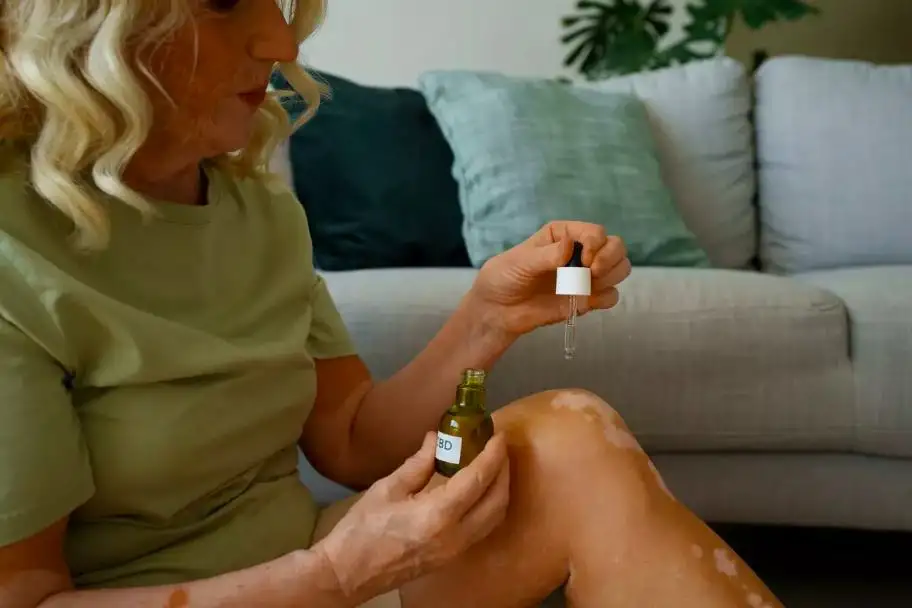
Skin cancer is one of the most common cancers worldwide, affecting millions of people each year. As awareness grows, many patients and caregivers are exploring complementary approaches to support conventional treatment and overall skin health. One topic that frequently appears in wellness discussions is the use of essential oil for skin cancer as part of a holistic care routine.
While essential oils have a long history in aromatherapy and traditional medicine, it is crucial to understand their proper role, benefits, and limitations. This article provides a balanced, evidence-informed overview to help you make safe, educated decisions actively involving you in understanding how essential oils may complement, but never replace, medical care for skin cancer.
Overview
Essential oil for skin cancer refers to the use of plant-derived aromatic compounds as supportive care alongside standard medical treatments such as surgery, radiation therapy, immunotherapy, or chemotherapy. Essential oils are highly concentrated extracts obtained from flowers, leaves, bark, or roots.
It is important to clarify that essential oils are not a cure for skin cancer. Instead, they may help with symptom relief, skin comfort, stress reduction, and emotional well-being when used responsibly and under professional guidance.
Types
Common Types of Skin Cancer
Understanding skin cancer types helps clarify where supportive therapies may fit.
| Type of Skin Cancer | Key Characteristics | Severity |
|---|---|---|
| Basal Cell Carcinoma (BCC) | Slow-growing, rarely spreads | Low |
| Squamous Cell Carcinoma (SCC) | Can spread if untreated | Moderate |
| Melanoma | Aggressive, higher risk of metastasis | High |
| Merkel Cell Carcinoma | Rare, fast-growing | High |
Essential Oils Often Discussed for Skin Support
| Essential Oil | Common Properties | Typical Supportive Use |
|---|---|---|
| Frankincense | Anti-inflammatory, calming | Skin comfort, relaxation |
| Lavender | Soothing, antimicrobial | Irritation relief, stress |
| Tea Tree | Antiseptic | Skin hygiene (diluted) |
| Helichrysum | Skin-regenerating reputation | Scar and skin support |
Causes and Risk Factors
Skin cancer develops due to multiple interacting factors. Essential oils do not address these causes but may support skin care routines.
| Risk Factor | Description |
|---|---|
| UV Radiation | Excessive sun or tanning exposure |
| Fair Skin | Lower melanin protection |
| Genetic History | Family history of skin cancer |
| Immune Suppression | Reduced immune function |
| Chemical Exposure | Arsenic and industrial toxins |
Symptoms and Early Warning Signs
Early detection significantly improves outcomes. Watch for:
-
New or changing moles
-
Irregular borders or uneven color
-
Persistent sores that do not heal
-
Itching, bleeding, or crusting lesions
-
Rapidly growing skin nodules
Essential oil for skin cancer should never delay medical evaluation of these warning signs.
Diagnosis
Diagnosis is performed exclusively by healthcare professionals and may include:
-
Visual skin examination
-
Dermoscopy
-
Skin biopsy
-
Imaging for advanced cases
No essential oil can diagnose or confirm skin cancer.
Treatment Options
Standard Medical Treatments
| Treatment | Purpose |
|---|---|
| Surgical Excision | Remove cancerous tissue |
| Mohs Surgery | Tissue-sparing removal |
| Radiation Therapy | Destroy remaining cancer cells |
| Immunotherapy | Activate immune response |
| Targeted Therapy | Attack specific cancer pathways |
Role of Essential Oils
Essential oil for skin cancer may be used only as complementary care to:
-
Soothe treatment-related skin irritation
-
Promote relaxation and sleep
-
Support emotional well-being
-
Maintain skin moisture (properly diluted)
Always consult your oncologist or dermatologist before topical use.
Prevention and Lifestyle Recommendations
Preventive strategies remain the strongest defense against skin cancer.
-
Use broad-spectrum sunscreen daily
-
Avoid peak sun exposure
-
Wear protective clothing
-
Perform monthly skin self-checks
-
Maintain a nutrient-rich diet
Essential oils may be included in skincare routines, but sun protection is non-negotiable.
Prognosis and Survival Rates
Survival depends on cancer type and stage at diagnosis.
| Skin Cancer Type | Approximate 5-Year Survival |
|---|---|
| Basal Cell Carcinoma | Over 99% |
| Squamous Cell Carcinoma | 95% (early-stage) |
| Melanoma | 99% (localized), lower if advanced |
Using essential oil for skin cancer does not change survival rates but may enhance quality of life.
Latest Research and Innovations
Recent laboratory studies explore plant compounds with antioxidant and anti-inflammatory properties. However, clinical trials supporting essential oils as cancer treatments are limited. Ongoing research focuses on:
-
Natural compounds for skin barrier repair
-
Integrative oncology approaches
-
Stress-reduction therapies improving patient resilience
Scientific evidence continues to emphasize complementary—not curative—use.
Coping and Support for Patients
A skin cancer diagnosis can be emotionally challenging. Support strategies include:
-
Patient education and counseling
-
Support groups and peer communities
-
Mindfulness and relaxation techniques
-
Aromatherapy (with professional guidance)
Essential oil for skin cancer may play a role in stress management and emotional comfort.
Conclusion
Essential oils can be appealing for their natural origins and soothing properties, but it is vital to approach them with informed caution. Essential oil for skin cancer should be viewed as a supportive wellness option not a replacement for proven medical treatment. By combining evidence-based care with safe complementary practices, patients can actively support both physical and emotional well-being.
FAQ
1. Can essential oil cure skin cancer?
No. Essential oils cannot cure or treat skin cancer. They may only support comfort and well-being.
2. Is it safe to apply essential oils directly to cancerous skin?
Direct application is not recommended without medical approval, as it may irritate or damage sensitive tissue.
3. Which essential oil is best for skin cancer patients?
There is no “best” oil. Lavender and frankincense are commonly used for relaxation and skin comfort when diluted.
4.Should I stop medical treatment if I use essential oils?
Never. Essential oils should only complement, not replace, medical treatment.
5. Can essential oils help prevent skin cancer?
There is no evidence that essential oils prevent skin cancer. Sun protection and early detection remain essential.


