Late-Stage Small Cell Lung Cancer: Symptoms, and Treatment
Late-stage small cell lung cancer is one of the most aggressive and challenging forms of lung cancer. It often progresses rapidly and is frequently diagnosed only after it has spread beyond the lungs, making treatment more complex. Understanding this condition is essential not only for patients, but also for caregivers and families who want to make informed decisions and provide meaningful support.
In this comprehensive guide, we will explore what late-stage small cell lung cancer is, why it develops, how it is diagnosed, and what treatment options are available today. We will also discuss prognosis, the latest research, and practical ways patients can cope physically and emotionally, helping you navigate this difficult diagnosis with clarity and confidence.
Definition and Overview
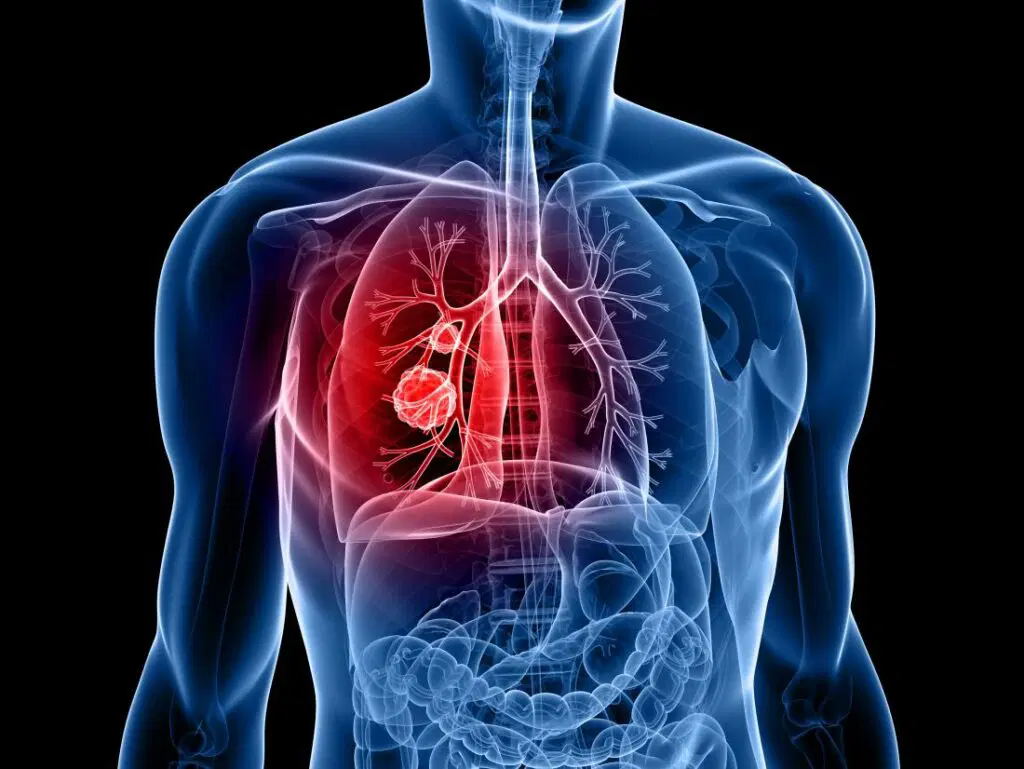
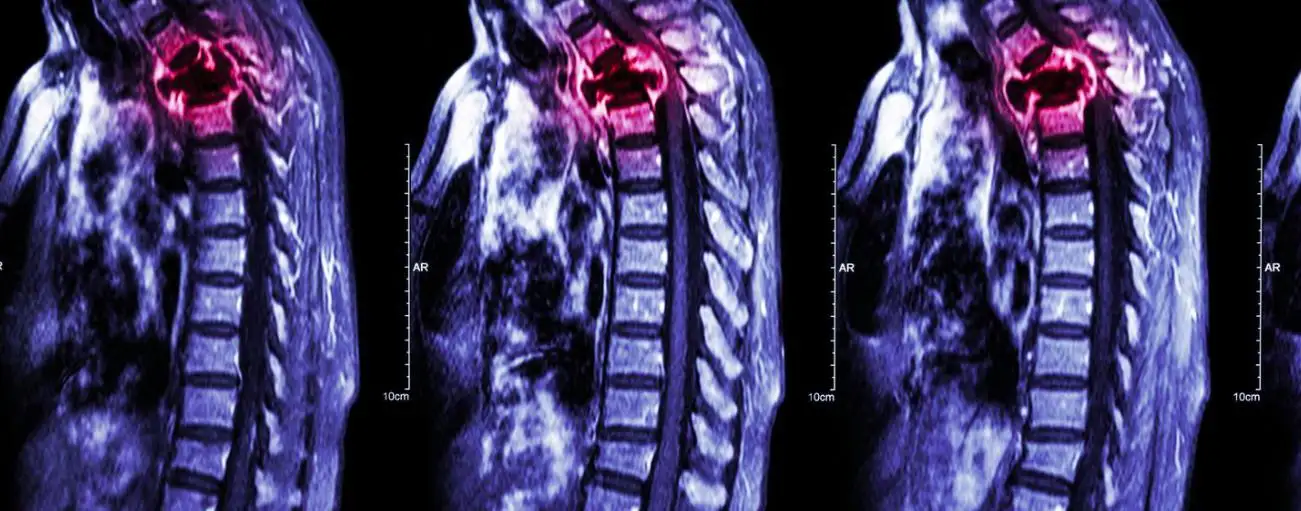
Late-stage small cell lung cancer refers to advanced small cell lung cancer (SCLC) that has spread extensively beyond its original location in the lungs. Medically, it is often classified as extensive-stage disease, meaning cancer cells have metastasized to other parts of the body such as the liver, brain, bones, or adrenal glands.
Small cell lung cancer accounts for about 10–15% of all lung cancers and is strongly associated with smoking. Unlike non-small cell lung cancer, SCLC grows and spreads very quickly. As a result, many patients are diagnosed at a late stage, when symptoms become more noticeable and systemic.
Types
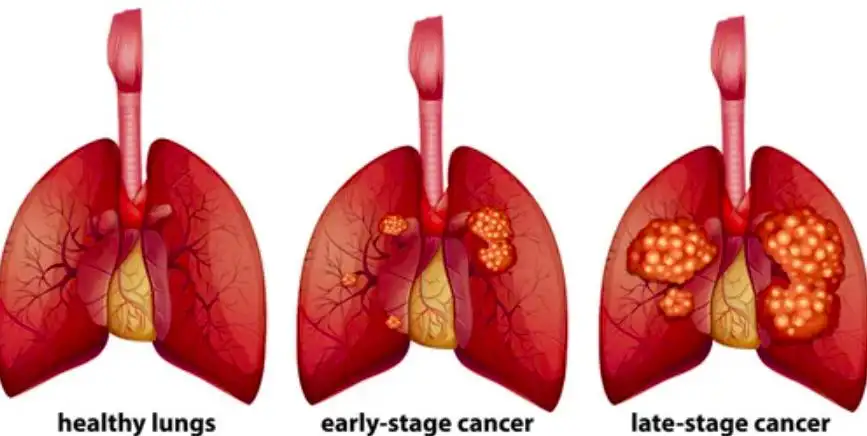
Small cell lung cancer is typically divided into two main stages rather than multiple subtypes:
Limited-Stage Small Cell Lung Cancer
Cancer is confined to one side of the chest and can be treated within a single radiation field.
Extensive or Late-Stage Small Cell Lung Cancer
Cancer has spread to both lungs, distant organs, or areas outside the chest. This is commonly referred to as late-stage small cell lung cancer and represents the majority of diagnoses.
Causes and Risk Factors
The primary cause of late-stage small cell lung cancer is long-term exposure to tobacco smoke. However, several factors increase the risk:
-
Cigarette smoking, including secondhand smoke
-
Exposure to asbestos, radon, or industrial chemicals
-
A history of chronic lung disease
-
Genetic susceptibility combined with environmental exposure
-
Older age, with most cases diagnosed after age 60
Because SCLC grows rapidly, even a relatively short delay in detection can allow the disease to progress to a late stage.
Symptoms and Early Warning Signs
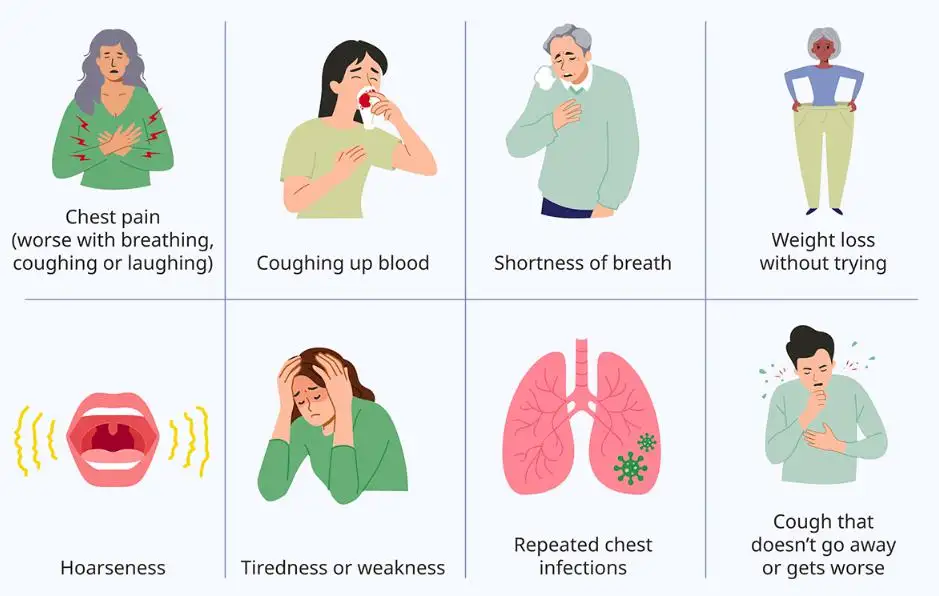
Symptoms of late-stage small cell lung cancer often reflect both lung involvement and the spread of cancer to other organs. Common symptoms include:
-
Persistent cough or worsening shortness of breath
-
Chest pain or tightness
-
Unexplained weight loss and fatigue
-
Coughing up blood
-
Hoarseness or difficulty swallowing
-
Headaches, seizures, or confusion if cancer spreads to the brain
-
Bone pain or fractures if bones are affected
Early warning signs may be subtle and are often mistaken for smoking-related or respiratory conditions, which contributes to delayed diagnosis.
Diagnosis
Diagnosing late-stage small cell lung cancer involves several steps to confirm the presence, type, and extent of cancer:
-
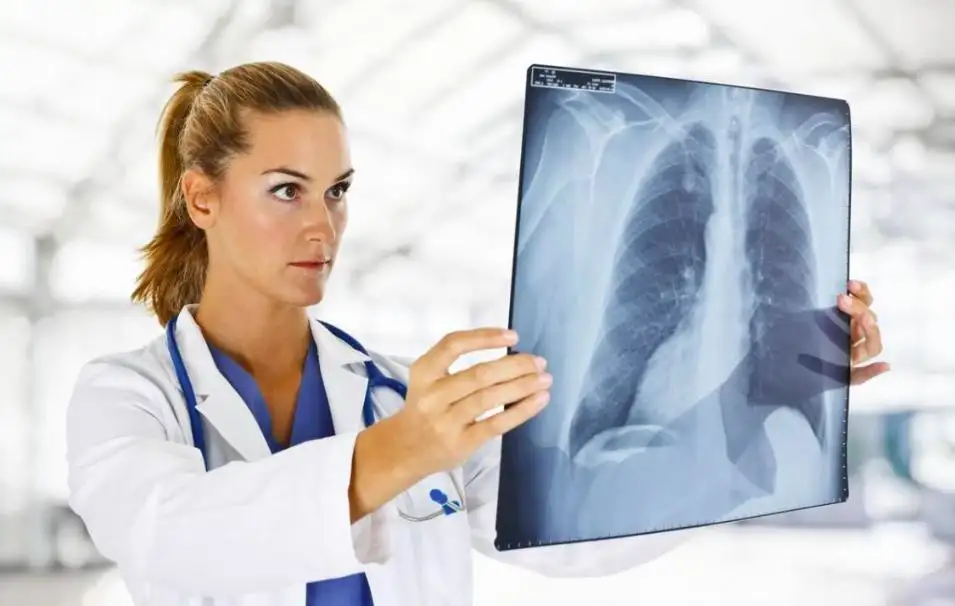
Imaging tests such as chest X-rays, CT scans, PET scans, and MRI
-
Bronchoscopy or needle biopsy to collect tissue samples
-
Pathology tests to confirm small cell lung cancer
-
Blood tests and bone scans to assess overall health and spread
Accurate staging is critical because it guides treatment planning and prognosis.
Treatment Options
Treatment for late-stage small cell lung cancer focuses on controlling disease progression, relieving symptoms, and improving quality of life.
Chemotherapy
Chemotherapy remains the backbone of treatment, often using a combination of drugs that can rapidly target fast-growing cancer cells.
Immunotherapy
Immunotherapy drugs, such as immune checkpoint inhibitors, are increasingly used alongside chemotherapy to help the immune system recognize and attack cancer cells.
Radiation Therapy
Radiation may be used to reduce tumor size, relieve pain, or treat brain metastases.
Palliative Care
Palliative care plays a vital role in late-stage disease, addressing pain, breathing difficulties, fatigue, and emotional distress alongside active cancer treatment.
Prevention and Lifestyle Recommendations
While late-stage small cell lung cancer cannot always be prevented, certain steps can reduce risk and support overall health:
-
Quit smoking and avoid secondhand smoke
-
Minimize exposure to environmental toxins
-
Maintain a balanced diet and adequate hydration
-
Stay physically active as tolerated
-
Follow recommended cancer screenings if you are at high risk
Lifestyle changes cannot cure late-stage disease, but they can improve treatment tolerance and quality of life.
Prognosis and Survival Rates
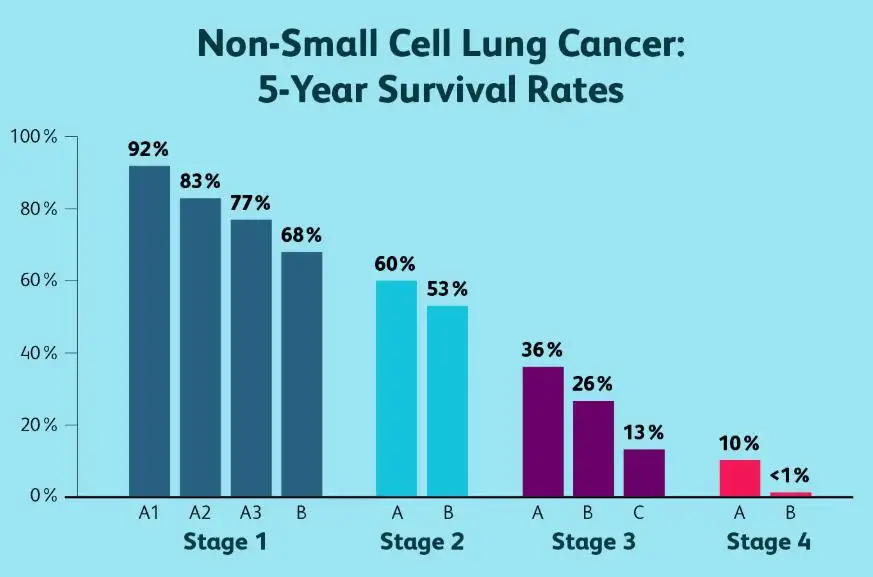
The prognosis for late-stage small cell lung cancer is generally poor compared to other lung cancers, due to its aggressive nature and tendency to spread early. Median survival for extensive-stage disease is typically measured in months rather than years, though individual outcomes vary widely.
Factors influencing prognosis include overall health, response to treatment, extent of metastasis, and access to newer therapies. Importantly, survival statistics are averages and cannot predict outcomes for any single patient.
Latest Research and Innovations
Ongoing research is improving how late-stage small cell lung cancer is treated. Current areas of innovation include:
-
New immunotherapy combinations
-
Targeted therapies aimed at specific molecular pathways
-
Improved radiation techniques with fewer side effects
-
Clinical trials exploring personalized treatment strategies
These advances offer hope for extending survival and enhancing quality of life.
Coping and Support for Patients
Living with late-stage small cell lung cancer is emotionally and physically demanding. Support can make a significant difference:
-
Open communication with healthcare providers
-
Counseling or support groups for patients and families
-
Symptom management through palliative care teams
-
Practical support with daily activities and transportation
Emotional well-being is just as important as physical treatment in managing advanced cancer.
Conclusion
Late-stage small cell lung cancer is a serious and fast-progressing disease, but understanding it empowers patients and families to make informed decisions. From recognizing symptoms and exploring treatment options to accessing supportive care and new research, knowledge plays a critical role in navigating this diagnosis. While challenges remain, advances in therapy and comprehensive care continue to improve outcomes and quality of life.
FAQ
1. What is late-stage small cell lung cancer?
Late-stage small cell lung cancer refers to extensive-stage disease where cancer has spread beyond the lungs to other parts of the body.
2. Is late-stage small cell lung cancer curable?
It is generally not considered curable, but treatments can slow progression, relieve symptoms, and extend survival.
3. How is late-stage small cell lung cancer treated?
Treatment typically includes chemotherapy, immunotherapy, radiation therapy, and palliative care.
4. What are the main symptoms of late-stage small cell lung cancer?
Symptoms include persistent cough, shortness of breath, weight loss, fatigue, pain, and neurological symptoms if cancer spreads to the brain.
5. Can immunotherapy help in late-stage small cell lung cancer?
Yes, immunotherapy has become an important part of treatment and has shown improved outcomes when combined with chemotherapy.
6. How can patients cope with a late-stage diagnosis?
Coping strategies include medical support, palliative care, emotional counseling, support groups, and maintaining open communication with loved ones and healthcare teams.