Can an X-Ray Show Cancer? A Complete Guide to Detection, Limits
Many people wonder, can an X-ray show cancer, especially when doctors order imaging tests to investigate unexplained pain, lumps, or persistent symptoms. X-rays are one of the oldest and most widely used medical imaging tools, valued for their speed, accessibility, and affordability. However, their role in cancer detection is often misunderstood.
This article provides a clear, professional, and patient-focused explanation of whether and how X-rays can detect cancer. You will learn what X-rays can reveal, their limitations, when additional tests are needed, and how modern imaging advances improve cancer diagnosis. By the end, you will have a realistic understanding of how X-rays fit into today’s cancer care pathway.
Overview: Can an X-Ray Show Cancer?
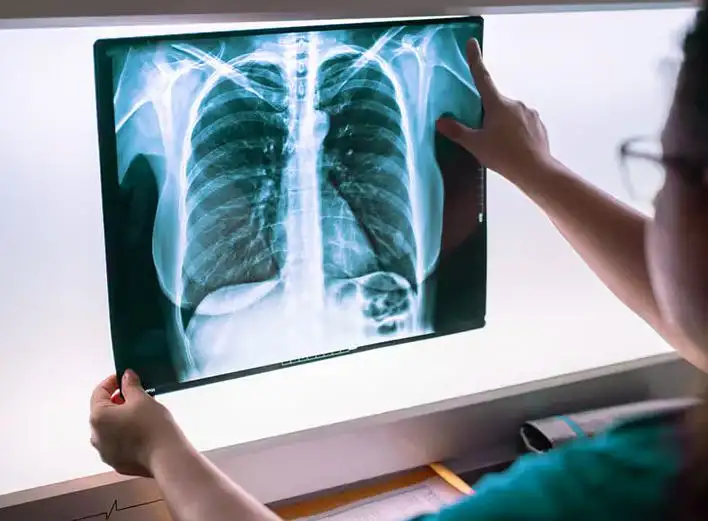
The short answer is yes, an X-ray can sometimes show signs of cancer, but it usually cannot confirm cancer on its own. X-rays work by passing a small amount of radiation through the body to create images of dense structures like bones and some organs. Tumors may appear as abnormal masses, shadows, or changes in tissue structure.
However, many cancers are too small or too similar to normal soft tissue to be clearly visible on standard X-ray images. For this reason, X-rays are typically used as a first-line screening or investigative tool, followed by more advanced imaging or biopsy if cancer is suspected.
Types of X-Rays Used in Cancer Detection
Different types of X-ray studies may be used depending on the suspected cancer location and symptoms.
| Type of X-Ray | Common Use | Cancer Detection Role |
|---|---|---|
| Chest X-ray | Lungs and chest | May detect lung tumors or masses |
| Mammogram | Breast tissue | Specialized X-ray for early breast cancer detection |
| Bone X-ray | Skeletal system | Can show bone tumors or metastases |
| Dental X-ray | Jaw and teeth | May reveal oral or jaw abnormalities |
| Contrast X-ray | Digestive or urinary tract | Helps outline abnormal growths |
Mammography is a notable example where X-ray technology plays a major role in early cancer detection, especially for breast cancer.
Causes and Risk Factors for Cancer
While X-rays help identify abnormalities, cancer itself develops due to a combination of factors.
Common causes and risk factors include:
-
Genetic mutations and family history
-
Tobacco use and excessive alcohol consumption
-
Exposure to carcinogens such as asbestos or radiation
-
Chronic inflammation or infections
-
Obesity and poor diet
-
Aging, which increases the likelihood of cellular damage
Understanding these risk factors helps doctors decide when imaging tests like X-rays are appropriate.
Symptoms and Early Warning Signs
People often ask can an X-ray show cancer after experiencing symptoms that raise concern. While symptoms vary by cancer type, common warning signs include:
-
Persistent pain or swelling
-
Unexplained weight loss
-
Chronic cough or shortness of breath
-
Lumps or masses under the skin
-
Changes in bowel or bladder habits
-
Fatigue and weakness
An X-ray may be ordered to investigate these symptoms, but normal results do not always rule out cancer.
Diagnosis: How X-Rays Fit into Cancer Detection
X-rays are usually just one step in the diagnostic process.
| Diagnostic Method | Purpose |
|---|---|
| X-ray | Identifies structural abnormalities |
| CT scan | Provides detailed cross-sectional images |
| MRI | Visualizes soft tissues with high contrast |
| Ultrasound | Detects masses without radiation |
| Biopsy | Confirms cancer by examining cells |
If an X-ray shows suspicious changes, doctors typically recommend further imaging or a biopsy to make an accurate diagnosis.
Treatment Options After Diagnosis
Once cancer is confirmed, treatment depends on the type, stage, and location of the disease.
Common treatment options include:
-
Surgery to remove tumors
-
Radiation therapy
-
Chemotherapy
-
Targeted therapy
-
Immunotherapy
-
Hormone therapy
Imaging, including X-rays, CT scans, and MRIs, continues to play a role in monitoring treatment response.
Prevention and Lifestyle Recommendations
Although X-rays help detect disease, prevention remains crucial.
Lifestyle strategies to reduce cancer risk:
-
Avoid smoking and limit alcohol intake
-
Maintain a healthy diet rich in fruits and vegetables
-
Exercise regularly
-
Protect against excessive sun exposure
-
Follow recommended cancer screening guidelines
-
Manage chronic health conditions
Routine screenings can detect cancer earlier, often before symptoms appear.
Prognosis and Survival Rates
Survival rates vary widely depending on cancer type and stage at diagnosis. Early detection significantly improves outcomes. While an X-ray alone rarely provides an early diagnosis, it can prompt further testing that leads to timely treatment.
Cancers detected at an early stage often have higher five-year survival rates compared to those diagnosed after spreading.
Latest Research and Innovations
Advances in imaging technology are improving cancer detection beyond traditional X-rays.
Notable innovations include:
-
Digital X-ray systems with improved resolution
-
Low-dose imaging techniques to reduce radiation exposure
-
Artificial intelligence to identify subtle abnormalities
-
Hybrid imaging combining X-ray data with CT or PET scans
These developments enhance diagnostic accuracy while improving patient safety.
Coping and Support for Patients
Facing possible cancer diagnosis can be emotionally challenging. If you are undergoing imaging tests:
-
Ask your doctor to explain results clearly
-
Seek a second opinion if unsure
-
Lean on family, friends, or support groups
-
Consider counseling or mental health support
Being informed helps reduce anxiety and empowers you to make confident decisions.
Conclusion
So, can an X-ray show cancer? In some cases, yes, but it is rarely definitive. X-rays are valuable tools for detecting abnormalities that may suggest cancer, especially in bones, lungs, and breast tissue. However, they are only one part of a comprehensive diagnostic process. When used alongside advanced imaging and biopsy, X-rays contribute to earlier detection, better treatment planning, and improved outcomes.
Frequently Asked Questions (FAQ)
1. Can an X-ray detect all types of cancer?
No. Many cancers, especially in soft tissues, cannot be reliably seen on standard X-rays.
2. Is an X-ray enough to confirm cancer?
No. A biopsy or advanced imaging is required for confirmation.
3. Are X-rays safe for cancer screening?
When used appropriately, the radiation dose is low and considered safe, especially compared to the benefits of early detection.
4. Why did my doctor order an X-ray first?
X-rays are quick, accessible, and useful for identifying obvious abnormalities that may require further testing.
5. What test is better than an X-ray for cancer detection?
CT scans, MRIs, PET scans, and biopsies provide more detailed information and are often used after an X-ray suggests a problem.