Cancer Cell Cells at Work: Understanding, Prevention, and Treatment
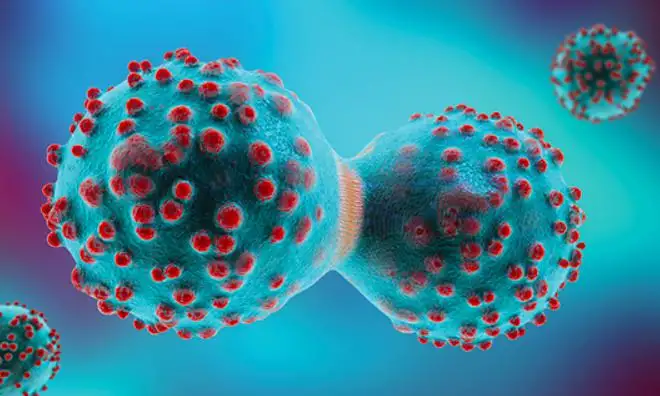
Cancer remains one of the most significant health challenges worldwide, affecting millions of individuals each year. A deep understanding of how cancer cells function is crucial for both prevention and treatment. The concept of cancer cell cells at work refers to the complex mechanisms by which malignant cells grow, divide, and spread throughout the body, often evading the immune system and conventional therapies. This insight allows researchers and healthcare professionals to develop more targeted and effective treatments.
The study of cancer cell cells at work not only enhances our understanding of tumor biology but also highlights the importance of early detection, lifestyle interventions, and patient-centered care. By exploring the behavior of cancer cells in detail, patients, caregivers, and medical practitioners can make informed decisions to improve outcomes and quality of life.
Overview
Cancer arises when normal cells undergo genetic mutations that disrupt their growth and division cycles. Unlike healthy cells, which die after a programmed lifespan, cancer cells continue to proliferate uncontrollably. The term cancer cell cells at work encapsulates this abnormal cellular activity, emphasizing both the destructive potential and adaptive strategies of malignant cells.
Understanding the work of cancer cells is essential for designing therapies that can inhibit their growth, trigger apoptosis (cell death), or enhance the immune system’s ability to fight tumors. Insights into these processes have led to the development of advanced therapies such as immunotherapy, targeted therapy, and precision medicine approaches.
Types
Cancer can manifest in various forms depending on the tissue of origin. Common types include:
| Cancer Type | Description | Prevalence |
|---|---|---|
| Carcinoma | Originates in epithelial tissues like skin or organ linings | Most common |
| Sarcoma | Develops in connective tissues such as bone, muscle, or fat | Rare |
| Leukemia | Cancer of the blood and bone marrow | Moderate |
| Lymphoma | Affects the lymphatic system | Moderate |
| Melanoma | Cancer of pigment-producing cells in the skin | Less common but aggressive |
Each type exhibits unique characteristics in terms of cancer cell cells at work, growth patterns, and response to treatments.
Causes and Risk Factors
The behavior of cancer cell cells at work is influenced by multiple factors, including genetic mutations, environmental exposures, and lifestyle choices. Key contributors include:
-
Genetic predisposition: Inherited mutations increase susceptibility to certain cancers.
-
Carcinogens: Tobacco smoke, radiation, and chemicals can trigger malignant transformations.
-
Diet and lifestyle: Obesity, high-fat diets, alcohol consumption, and sedentary lifestyles can elevate risk.
-
Chronic infections: Viruses like HPV and hepatitis B/C can initiate cellular abnormalities.
-
Age: Risk increases with age due to cumulative mutations and reduced immune surveillance.
Understanding these factors helps in developing preventive strategies and early intervention methods.
Symptoms and Early Warning Signs
Early detection of cancer significantly improves prognosis. Symptoms vary depending on the cancer type but may include:
-
Unexplained weight loss or fatigue
-
Persistent pain or discomfort in a specific area
-
Changes in skin, moles, or lesions
-
Unusual bleeding or bruising
-
Persistent cough or difficulty breathing
-
Digestive or urinary changes
Awareness of these early warning signs encourages timely medical consultation and diagnostic testing.
Diagnosis
Diagnosing cancer involves a combination of techniques to identify cancer cell cells at work and determine the stage of the disease. Common diagnostic methods include:
-
Imaging tests: CT scans, MRI, PET scans, and X-rays
-
Laboratory tests: Blood tests, tumor markers, and genetic profiling
-
Biopsy: Microscopic examination of tissue samples to confirm malignancy
-
Endoscopic procedures: Direct visualization of internal organs
Accurate diagnosis allows physicians to tailor treatment plans to the patient’s specific cancer type and stage.
Treatment Options
Treatment strategies aim to eliminate cancer cells while preserving healthy tissue. Options include:
| Treatment | Mechanism | Suitable For |
|---|---|---|
| Surgery | Physical removal of tumors | Localized cancers |
| Chemotherapy | Uses drugs to kill rapidly dividing cells | Various cancers |
| Radiation Therapy | Targets cancer cells with high-energy rays | Solid tumors |
| Immunotherapy | Boosts the immune system to attack cancer | Advanced or resistant cancers |
| Targeted Therapy | Focuses on specific molecular targets of cancer cells | Specific genetic profiles |
| Hormone Therapy | Blocks hormones that fuel certain cancers | Breast, prostate cancers |
Combination therapies often improve outcomes by attacking cancer cells through multiple mechanisms.
Prevention and Lifestyle Recommendations
While not all cancers are preventable, understanding cancer cell cells at work can guide lifestyle modifications that reduce risk:
-
Maintain a balanced diet rich in fruits, vegetables, and fiber
-
Engage in regular physical activity
-
Avoid tobacco and limit alcohol consumption
-
Protect skin from excessive sun exposure
-
Get vaccinated against cancer-related viruses (e.g., HPV, Hepatitis B)
-
Schedule regular screenings and health check-ups
These steps help prevent genetic mutations from translating into active malignancies.
Prognosis and Survival Rates
Prognosis varies by cancer type, stage, and treatment effectiveness. Early detection of tumors generally improves survival rates. For example:
| Stage | 5-Year Survival Rate (Approx.) |
|---|---|
| Stage I | 80–90% |
| Stage II | 60–75% |
| Stage III | 40–60% |
| Stage IV | 10–25% |
Ongoing research into cancer cell cells at work aims to improve survival by developing therapies that are more precise, less toxic, and capable of preventing recurrence.
Latest Research and Innovations
Advancements in cancer research are rapidly transforming patient care:
-
CRISPR gene editing: Potential to correct mutations that drive cancer cell proliferation
-
Liquid biopsies: Non-invasive detection of cancer DNA in blood
-
Nanotechnology: Targeted drug delivery directly to tumor cells
-
Personalized medicine: Tailoring treatments based on individual genetic profiles
-
Immunotherapy breakthroughs: CAR-T cell therapy and checkpoint inhibitors showing remarkable results
These innovations provide hope for improved outcomes and reduced side effects in cancer treatment.
Coping and Support for Patients
Cancer diagnosis impacts not only physical health but also emotional well-being. Effective coping strategies include:
-
Joining support groups or online communities
-
Seeking counseling or therapy for mental health support
-
Practicing stress-reduction techniques like meditation and yoga
-
Educating oneself about cancer cell cells at work and treatment options
-
Maintaining strong social connections with family and friends
Emotional resilience plays a crucial role in treatment adherence and overall quality of life.
Conclusion
Understanding cancer cell cells at work is fundamental to combating this complex disease. From recognizing early warning signs to exploring advanced treatment options, knowledge empowers both patients and healthcare providers. Preventive measures, combined with innovative research, offer hope for improved outcomes and enhanced quality of life. Staying informed, vigilant, and proactive remains key in the fight against cancer.
FAQ
1. What does “cancer cell cells at work” mean?
It refers to the processes by which malignant cells grow, divide, and spread, often evading the immune system.
2. Can lifestyle changes prevent cancer?
While not all cancers are preventable, a healthy diet, regular exercise, and avoiding carcinogens can significantly reduce risk.
3. How are cancer cells detected early?
Early detection involves screenings, imaging tests, lab tests, and awareness of symptoms.
4. What is the most effective treatment for cancer?
Treatment depends on cancer type and stage; a combination of surgery, chemotherapy, radiation, and newer therapies is often most effective.
5. Are there new treatments for cancer?
Yes, ongoing research includes immunotherapy, targeted therapy, gene editing, and personalized medicine to improve survival and reduce side effects.