Can Cancer Cause High Blood Pressure? Understanding the Link Between Cancer
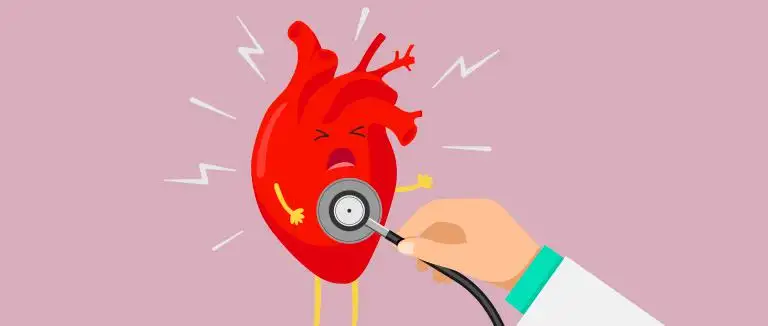
Can cancer cause high blood pressure? This is a common and important question for patients, caregivers, and even those newly diagnosed with cancer. High blood pressure, also known as hypertension, is often associated with heart disease and lifestyle factors, but growing evidence shows that cancer and its treatments can also influence blood pressure levels in significant ways.
Understanding the relationship between cancer and high blood pressure can help patients recognize early warning signs, manage complications, and improve overall outcomes. In this article, we will explore how and why cancer may lead to elevated blood pressure, the types of cancer most commonly associated with hypertension, available treatments, and practical steps to protect long-term health.
Overview
The question “can cancer cause high blood pressure” does not have a simple yes-or-no answer. Cancer itself may directly or indirectly raise blood pressure, while certain cancer treatments can also contribute to hypertension. In many cases, high blood pressure develops as a secondary condition related to tumor activity, hormonal changes, kidney involvement, or side effects of therapy.
Hypertension in cancer patients is clinically important because it can increase the risk of cardiovascular complications, interfere with treatment plans, and affect quality of life. Early identification and management are essential parts of comprehensive cancer care.
Types
Some cancers are more strongly associated with high blood pressure than others. These include:
| Cancer Type | How It May Affect Blood Pressure |
|---|---|
| Kidney cancer | Impairs kidney function and disrupts fluid balance |
| Adrenal tumors (e.g., pheochromocytoma) | Produces excess hormones that raise blood pressure |
| Brain tumors | Increases intracranial pressure and affects blood regulation |
| Neuroendocrine tumors | Releases hormones that impact vascular tone |
| Blood cancers | Can affect kidney health and circulation |
While not all cancer patients develop hypertension, these cancer types carry a higher risk and require close monitoring.
Causes and Risk Factors
When asking “can cancer cause high blood pressure,” it is helpful to understand the underlying mechanisms. Common causes and risk factors include:
-
Tumor-related hormone secretion
-
Kidney damage caused by cancer or metastasis
-
Compression of blood vessels by tumors
-
Chronic inflammation
-
Side effects of chemotherapy, immunotherapy, or targeted therapy
-
Pre-existing hypertension or cardiovascular disease
-
Advanced age and genetic predisposition
Lifestyle factors such as stress, reduced physical activity, and poor diet during cancer treatment can further increase the risk.
Symptoms and Early Warning Signs
High blood pressure often develops silently, especially in cancer patients who may already experience multiple symptoms. Possible warning signs include:
-
Persistent headaches
-
Dizziness or blurred vision
-
Shortness of breath
-
Chest discomfort
-
Fatigue
-
Nosebleeds in severe cases
Because these symptoms can overlap with cancer-related effects, regular blood pressure monitoring is crucial during diagnosis and treatment.
Diagnosis
Diagnosing hypertension in cancer patients involves more than a single blood pressure reading. Healthcare providers may use:
-
Repeated blood pressure measurements
-
Blood and urine tests to assess kidney function
-
Imaging studies if tumor-related causes are suspected
-
Hormone level testing for adrenal or neuroendocrine tumors
Early diagnosis helps determine whether high blood pressure is cancer-related or caused by other medical conditions.
Treatment Options
Treatment depends on the cause and severity of hypertension. Common approaches include:
| Treatment Approach | Purpose |
|---|---|
| Antihypertensive medications | Control blood pressure levels |
| Cancer-specific therapy | Reduce tumor-related blood pressure effects |
| Dose adjustment of cancer drugs | Minimize treatment-induced hypertension |
| Lifestyle modifications | Support cardiovascular health |
| Multidisciplinary care | Coordinate oncology and cardiology treatment |
In many cases, managing blood pressure allows cancer treatment to continue safely and effectively.
Prevention and Lifestyle Recommendations
While not all causes of cancer-related hypertension are preventable, patients can reduce risk by:
-
Monitoring blood pressure regularly
-
Limiting sodium intake
-
Staying physically active as tolerated
-
Managing stress through relaxation techniques
-
Avoiding smoking and excessive alcohol
-
Following medical advice closely during treatment
These steps not only help control blood pressure but also improve overall well-being during cancer care.
Prognosis and Survival Rates
The presence of high blood pressure does not necessarily worsen cancer survival rates, but uncontrolled hypertension can increase the risk of heart disease, stroke, and treatment interruptions. When managed effectively, many patients maintain good cardiovascular health while undergoing cancer therapy.
Early detection and coordinated care significantly improve prognosis and quality of life.
Latest Research and Innovations
Recent research focuses on cardio-oncology, a growing field that studies the interaction between cancer and heart health. Innovations include:
-
Personalized blood pressure management during cancer treatment
-
New targeted therapies with fewer cardiovascular side effects
-
Improved screening protocols for early detection of hypertension
-
Advanced imaging to monitor heart and vascular health
These advancements continue to improve outcomes for patients facing both cancer and high blood pressure.
Coping and Support for Patients
Living with cancer and hypertension can be emotionally challenging. Support strategies include:
-
Open communication with healthcare providers
-
Counseling or mental health support
-
Patient education programs
-
Family and caregiver involvement
-
Support groups for shared experiences
Emotional well-being plays a vital role in physical health and treatment success.
Conclusion
So, can cancer cause high blood pressure? Yes, in many cases, cancer or its treatments can contribute to hypertension through various mechanisms. Understanding this connection empowers patients to recognize symptoms early, seek appropriate care, and take proactive steps to protect their heart health. With proper management and support, patients can successfully navigate both conditions and maintain a better quality of life.
FAQ
1. Can cancer cause high blood pressure even before treatment starts?
Yes, certain cancers can raise blood pressure due to hormonal effects or kidney involvement even before therapy begins.
2. Is high blood pressure common during cancer treatment?
Hypertension is relatively common, especially with certain chemotherapy and targeted therapies.
3. Can controlling blood pressure improve cancer treatment outcomes?
Yes, stable blood pressure helps reduce complications and allows treatments to proceed as planned.
4. Should cancer patients monitor blood pressure at home?
Home monitoring is often recommended and helps detect changes early.
5. Is cancer-related high blood pressure reversible?
In some cases, blood pressure returns to normal after successful cancer treatment or medication adjustments.