Cancer Clusters by Zip Code: Understanding Local Cancer Patterns, Risks
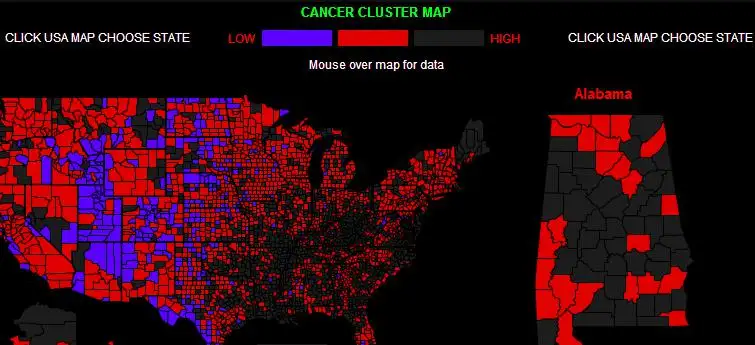
Cancer is often viewed as an individual health issue, but patterns can emerge when cases are examined across communities. In recent years, cancer clusters by zip code have become an important topic for researchers, public health officials, and concerned residents who want to understand whether higher-than-expected cancer rates in specific areas point to shared environmental or lifestyle risks.
By exploring cancer data at the zip code level, communities can gain insights into potential exposure sources, improve early detection, and advocate for preventive measures. This article provides a comprehensive, easy-to-understand guide to cancer clusters by zip code, helping you actively engage with the data and understand what it may mean for you and your community.
Overview
Cancer clusters by zip code refer to a higher-than-expected number of cancer cases occurring within a specific geographic area over a certain period. These clusters may involve one type of cancer or several different cancers and are often investigated to determine whether there is a common cause.
Public health agencies analyze cancer registries, population data, and environmental factors to determine if a cluster is statistically significant or simply a coincidence. Not all clusters indicate a clear cause, but they can highlight areas that require closer monitoring and further research.
Types of Cancer Clusters by Zip Code
Cancer clusters can vary based on cancer type, population characteristics, and geographic factors. The table below summarizes common types of clusters:
| Type of Cluster | Description | Examples |
|---|---|---|
| Single-cancer cluster | High rates of one specific cancer | Leukemia near industrial sites |
| Multi-cancer cluster | Several cancer types elevated | Mixed cancers near pollution sources |
| Temporal cluster | Increase during a specific time period | Short-term exposure events |
| Occupational cluster | Linked to common workplaces | Factory or mining communities |
Understanding the type of cluster helps guide investigations and public health responses.
Causes and Risk Factors
Several factors may contribute to cancer clusters by zip code, though identifying a single cause is often challenging. Potential causes and risk factors include:
Environmental exposures such as air pollution, contaminated water, industrial waste, or radiation
Lifestyle factors including smoking rates, diet, obesity, and physical inactivity
Occupational hazards in areas with similar industries or workplaces
Genetic predispositions within closely related populations
Socioeconomic factors affecting access to healthcare and screening
It is important to note that correlation does not always mean causation, and many clusters remain unexplained even after thorough investigation.
Symptoms and Early Warning Signs
Symptoms associated with cancer clusters depend on the types of cancer involved. However, general early warning signs to watch for include:
Unexplained weight loss or fatigue
Persistent pain or swelling
Changes in bowel or bladder habits
Unusual bleeding or discharge
Lumps, skin changes, or sores that do not heal
Awareness of these signs can lead to earlier diagnosis and better outcomes, especially in areas with suspected cancer clusters by zip code.
Diagnosis
Diagnosing cancer within a cluster follows the same medical standards as individual cases, but public health investigations add another layer of analysis. Diagnosis typically involves:
Medical imaging such as X-rays, CT scans, or MRIs
Laboratory tests and blood work
Biopsies to confirm cancer type
Epidemiological analysis comparing local cancer rates to regional or national averages
Health departments may also conduct environmental testing when a cluster is suspected.
Treatment Options
Treatment options for individuals in cancer clusters depend on cancer type, stage, and overall health. Common approaches include:
| Treatment Option | Purpose |
|---|---|
| Surgery | Remove tumors or affected tissue |
| Chemotherapy | Destroy cancer cells systemically |
| Radiation therapy | Target and shrink tumors |
| Immunotherapy | Boost the immune response |
| Targeted therapy | Attack specific cancer pathways |
Access to specialized care is crucial, particularly in areas identified through cancer clusters by zip code analysis.
Prevention and Lifestyle Recommendations
While not all cancer risks can be eliminated, proactive steps can reduce overall risk:
Avoid smoking and limit alcohol consumption
Maintain a balanced diet rich in fruits and vegetables
Engage in regular physical activity
Follow local advisories regarding water and air quality
Participate in recommended cancer screening programs
Community-level prevention efforts, such as pollution control and health education, also play a vital role.
Prognosis and Survival Rates
Prognosis varies widely depending on cancer type, stage at diagnosis, and access to treatment. Early detection often leads to significantly higher survival rates. In areas with identified cancer clusters by zip code, increased awareness and screening can positively influence outcomes.
Public reporting of survival data helps communities and healthcare providers identify gaps in care and improve long-term survival.
Latest Research and Innovations
Advances in data science and geographic information systems (GIS) have transformed how cancer clusters are studied. Researchers now use:
High-resolution mapping of cancer cases by zip code
Big data analytics to detect subtle patterns
Biomonitoring to measure environmental exposures
Precision medicine to tailor treatments based on genetics
These innovations improve accuracy and help move from suspicion to evidence-based action.
Coping and Support for Patients
Living in an area associated with a cancer cluster can be emotionally challenging. Support options include:
Local and national cancer support groups
Mental health counseling for patients and families
Community advocacy organizations
Reliable information from public health agencies
Staying informed and connected empowers individuals to take an active role in their health.
Conclusion
Cancer clusters by zip code offer valuable insights into how geography, environment, and lifestyle intersect with cancer risk. While not all clusters reveal a clear cause, they play a critical role in public health surveillance, community awareness, and prevention strategies. By understanding local cancer patterns, individuals and communities can work together toward earlier detection, better treatment, and healthier environments.
FAQ
1. What are cancer clusters by zip code?
They are areas where cancer rates are higher than expected compared to similar populations.
2. Do cancer clusters always mean environmental contamination?
No. Some clusters occur by chance, while others may be linked to lifestyle, genetics, or environmental factors.
3. How are cancer clusters identified?
Through analysis of cancer registry data, population statistics, and geographic mapping.
4. Should I be worried if I live in a cancer cluster area?
Concern is understandable, but awareness, regular screening, and healthy habits are the most effective steps.
5. Who investigates suspected cancer clusters?
Local and national public health agencies, often working with environmental and medical experts.