Agranulocytosis Secondary to Cancer Chemotherapy: Symptoms, and Treatment
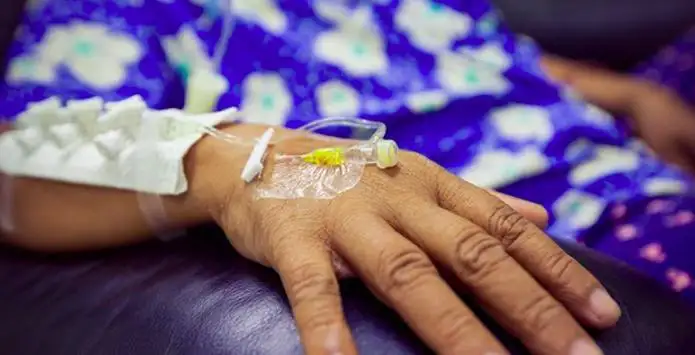
Agranulocytosis secondary to cancer chemotherapy is a rare but potentially life-threatening condition that can occur during cancer treatment. As chemotherapy targets rapidly dividing cancer cells, it can also unintentionally damage healthy bone marrow cells responsible for producing white blood cells. This leads to a dangerously low level of neutrophils, leaving the body highly vulnerable to infections.
Understanding agranulocytosis secondary to cancer chemotherapy is crucial for patients, caregivers, and healthcare professionals alike. Early recognition, prompt diagnosis, and effective management can significantly reduce complications and improve outcomes. This comprehensive guide walks you through everything you need to know from causes and symptoms to prevention strategies and the latest research advances.
Overview
Agranulocytosis refers to a severe reduction in granulocytes, especially neutrophils, which are essential for fighting bacterial and fungal infections. When agranulocytosis occurs as a result of chemotherapy, it is considered a secondary condition rather than a primary bone marrow disorder.
Chemotherapy-induced agranulocytosis often develops within days to weeks after treatment cycles. Without adequate neutrophil levels, even minor infections can escalate rapidly, making this condition a medical emergency requiring immediate attention.
Types
Agranulocytosis secondary to cancer chemotherapy can be categorized based on severity and duration.
| Type | Description | Clinical Significance |
|---|---|---|
| Acute Agranulocytosis | Sudden and severe neutrophil depletion | High risk of rapid infection |
| Chronic Agranulocytosis | Prolonged low neutrophil levels | Increased long-term infection risk |
| Dose-Dependent | Related to chemotherapy intensity | May improve with dose adjustment |
| Cumulative | Develops after repeated cycles | Requires close monitoring |
Causes and Risk Factors
The primary cause of agranulocytosis secondary to cancer chemotherapy is bone marrow suppression caused by cytotoxic drugs. Certain chemotherapy agents are more likely to induce this condition.
Key risk factors include:
-
High-dose or combination chemotherapy regimens
-
Advanced age
-
Pre-existing bone marrow disorders
-
Poor nutritional status
-
Prior radiation therapy
-
Genetic susceptibility affecting drug metabolism
Patients with hematologic malignancies often face a higher risk compared to those with solid tumors.
Symptoms and Early Warning Signs
Recognizing early symptoms is vital for preventing serious complications. Because inflammation responses may be muted, infections can present subtly.
Common symptoms include:
-
Sudden high fever or chills
-
Sore throat or mouth ulcers
-
Severe fatigue or weakness
-
Shortness of breath
-
Skin infections or non-healing wounds
Any fever in a patient receiving chemotherapy should be treated as a medical emergency.
Diagnosis
Diagnosis of agranulocytosis secondary to cancer chemotherapy relies on laboratory tests and clinical assessment.
| Diagnostic Tool | Purpose |
|---|---|
| Complete Blood Count (CBC) | Measures neutrophil levels |
| Absolute Neutrophil Count (ANC) | Confirms severity of neutropenia |
| Blood Cultures | Identifies infections |
| Bone Marrow Biopsy | Rarely needed, rules out other causes |
An ANC below 500 cells/µL typically confirms agranulocytosis.
Treatment Options
Treatment focuses on infection prevention, rapid intervention, and restoring neutrophil counts.
Common treatment approaches include:
-
Immediate hospitalization for febrile patients
-
Broad-spectrum intravenous antibiotics
-
Granulocyte colony-stimulating factors (G-CSF)
-
Temporary discontinuation or dose adjustment of chemotherapy
-
Antifungal or antiviral therapy if indicated
Early treatment significantly reduces mortality risk.
Prevention and Lifestyle Recommendations
Preventive strategies play a critical role in managing agranulocytosis secondary to cancer chemotherapy.
| Strategy | Recommendation |
|---|---|
| Infection Control | Frequent handwashing, avoid crowds |
| Diet | Well-cooked foods, avoid raw items |
| Monitoring | Regular blood tests during chemotherapy |
| Medications | Prophylactic G-CSF in high-risk patients |
| Vaccinations | Non-live vaccines as advised by doctors |
Patients are encouraged to report symptoms promptly and maintain open communication with their oncology team.
Prognosis and Survival Rates
The prognosis of agranulocytosis secondary to cancer chemotherapy largely depends on early detection and prompt treatment. With modern supportive care, most patients recover their neutrophil counts within days to weeks.
Mortality rates have significantly declined due to advancements in antibiotics and growth factor therapies. However, untreated or delayed cases can lead to severe sepsis and organ failure.
Latest Research and Innovations
Recent research has focused on minimizing chemotherapy-induced bone marrow suppression while maintaining cancer treatment effectiveness.
Notable advancements include:
-
Long-acting G-CSF formulations
-
Personalized chemotherapy dosing based on genetic profiling
-
Improved infection risk prediction models
-
Targeted therapies with reduced myelotoxicity
These innovations aim to reduce the incidence and severity of agranulocytosis.
Coping and Support for Patients
Facing agranulocytosis secondary to cancer chemotherapy can be emotionally overwhelming. Support systems are essential for physical and mental well-being.
Helpful coping strategies include:
-
Joining cancer support groups
-
Seeking counseling or psychological support
-
Educating family members about infection precautions
-
Maintaining a symptom diary
Empowerment through knowledge helps patients regain a sense of control during treatment.
Conclusion
Agranulocytosis secondary to cancer chemotherapy is a serious but manageable complication of cancer treatment. With vigilant monitoring, timely intervention, and preventive strategies, patients can safely continue life-saving chemotherapy while minimizing risks. Awareness, education, and collaboration with healthcare providers remain the cornerstones of effective management.
FAQ
1. What is agranulocytosis secondary to cancer chemotherapy?
It is a severe reduction in neutrophils caused by chemotherapy-induced bone marrow suppression, increasing infection risk.
2. How soon can agranulocytosis develop after chemotherapy?
It can occur within days to weeks following a chemotherapy cycle.
3. Is agranulocytosis reversible?
Yes, most cases are reversible with appropriate treatment and supportive care.
4. Can chemotherapy continue after agranulocytosis?
In many cases, chemotherapy can resume with dose adjustments and preventive measures.
5. When should I seek medical help?
Seek immediate care if you develop a fever, chills, or signs of infection during chemotherapy.