The Difference Between Cancer and Tumors: The Complete Guide
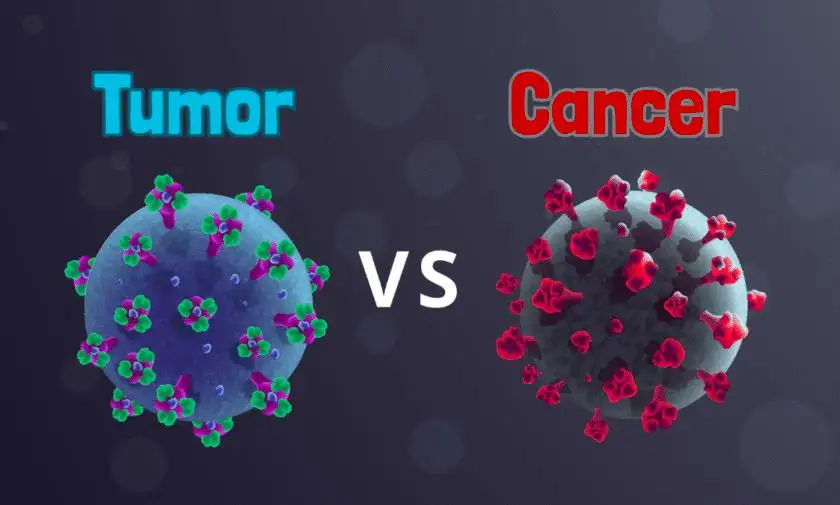
Many people use the terms cancer and tumor interchangeably, but they are not the same. Understanding the difference between cancer and tumor is essential for making informed health decisions, interpreting medical diagnoses, and reducing unnecessary fear when hearing these terms from a doctor.
This comprehensive guide explains the difference between cancer and tumor in clear, accessible language. You will learn how tumors form, when a tumor becomes cancerous, what symptoms to watch for, and how modern medicine diagnoses, treats, and manages these conditions.
Definition and Overview
A tumor is an abnormal mass of tissue that forms when cells grow and divide more than they should or do not die when they should. Tumors can occur almost anywhere in the body and may be harmless or dangerous.
Cancer, on the other hand, is a disease in which abnormal cells grow uncontrollably and have the ability to invade surrounding tissues and spread (metastasize) to other parts of the body. In short, all cancers form tumors (with some exceptions like leukemia), but not all tumors are cancer. This distinction is the core of the difference between cancer and tumor.
Types
Tumors are generally classified into three main types:
Benign tumors are non-cancerous growths. They grow slowly, do not spread to other parts of the body, and are often not life-threatening, although some can cause problems depending on their size and location.
Malignant tumors are cancerous. These tumors invade nearby tissues and can spread to distant organs through the blood or lymphatic system.
Precancerous tumors or lesions contain abnormal cells that are not yet cancerous but may become malignant if left untreated.
Cancer itself is classified by where it starts, such as breast cancer, lung cancer, colorectal cancer, or prostate cancer, which further highlights the difference between cancer and tumor in medical classification.
Causes and Risk Factors
Tumors and cancer share many underlying causes, but not all risk factors lead to cancer.
Common causes include genetic mutations, exposure to carcinogens, chronic inflammation, and hormonal imbalances. Risk factors may include smoking, excessive alcohol consumption, obesity, lack of physical activity, poor diet, environmental toxins, radiation exposure, and family history.
While a benign tumor may result from localized cell growth abnormalities, cancer typically involves multiple genetic changes that allow cells to grow uncontrollably and spread, reinforcing the biological difference between cancer and tumor.
Symptoms and Early Warning Signs
Symptoms vary depending on the type, size, and location of the tumor or cancer. Many benign tumors cause no symptoms and are discovered incidentally during imaging tests.
Possible warning signs include unexplained lumps, persistent pain, unexplained weight loss, fatigue, changes in bowel or bladder habits, abnormal bleeding, and persistent cough or hoarseness.
Early symptoms of cancer may resemble those of benign tumors, which is why proper diagnosis is critical to understanding the difference between cancer and tumor.
Diagnosis
Diagnosis begins with a physical examination and medical history. Imaging tests such as X-rays, CT scans, MRI, or ultrasound can identify the presence of a tumor.
A biopsy is the definitive test to determine whether a tumor is benign or malignant. During a biopsy, a sample of tissue is examined under a microscope to identify cancer cells. Blood tests, genetic testing, and molecular profiling may also be used, particularly for cancer diagnosis and staging.
Treatment Options
Treatment depends on whether the condition is a benign tumor or cancer.
Benign tumors may require no treatment and only regular monitoring. If treatment is needed, surgery is often sufficient.
Cancer treatment is more complex and may include surgery, chemotherapy, radiation therapy, targeted therapy, immunotherapy, or hormone therapy. Treatment plans are personalized based on cancer type, stage, and the patient’s overall health, further emphasizing the difference between cancer and tumor in clinical management.
Prevention and Lifestyle Recommendations
Not all tumors or cancers can be prevented, but many risk factors are modifiable. Maintaining a healthy lifestyle can significantly reduce cancer risk.
Recommendations include quitting smoking, limiting alcohol intake, eating a balanced diet rich in fruits and vegetables, exercising regularly, maintaining a healthy weight, protecting skin from excessive sun exposure, and following recommended screening guidelines.
Regular medical checkups can help detect tumors early and determine whether they are benign or cancerous.
Prognosis and Survival Rates
The prognosis for benign tumors is generally excellent, especially when they can be safely removed or monitored without complications.
Cancer prognosis varies widely depending on the type, stage at diagnosis, and response to treatment. Early-stage cancers often have high survival rates, while advanced cancers may be more challenging to treat. Understanding the difference between cancer and tumor can help patients better interpret prognosis and treatment outcomes.
Latest Research and Innovations
Advances in medical research continue to improve cancer detection and treatment. Innovations such as precision medicine, immunotherapy, liquid biopsies, and AI-assisted imaging are transforming cancer care.
Research is also helping doctors better predict which tumors are likely to become cancerous, improving early intervention and reducing unnecessary treatments.
Coping and Support for Patients
Receiving a diagnosis involving a tumor or cancer can be emotionally overwhelming. Support from healthcare providers, counselors, support groups, and family members plays a vital role in coping.
Patients are encouraged to ask questions, seek second opinions when needed, and access educational resources to fully understand their diagnosis, including the difference between cancer and tumor.
Conclusion
Understanding the difference between cancer and tumor is essential for reducing confusion and fear surrounding medical diagnoses. A tumor is a physical mass of abnormal cells, while cancer is a disease characterized by malignant cell growth and spread. Knowing this distinction empowers patients to make informed decisions, communicate effectively with healthcare providers, and approach treatment with greater confidence.
Frequently Asked Questions (FAQ)
1. What is the main difference between cancer and tumor?
A tumor is an abnormal growth of cells, while cancer is a disease involving malignant cells that can invade and spread. Not all tumors are cancerous.
2. Can a benign tumor turn into cancer?
Yes, some benign or precancerous tumors can become cancerous over time if left untreated, but many benign tumors never turn into cancer.
3. Are all cancers tumors?
Most cancers form tumors, but some cancers, such as leukemia, do not produce solid tumors.
4. Is a tumor always dangerous?
No. Many tumors are benign and harmless, although their location or size may cause health issues.
5. How can doctors tell if a tumor is cancerous?
A biopsy is the most reliable way to determine whether a tumor is benign or malignant.