Epstein Barr Virus and Cancer: Understanding the Link, Risks, Symptoms
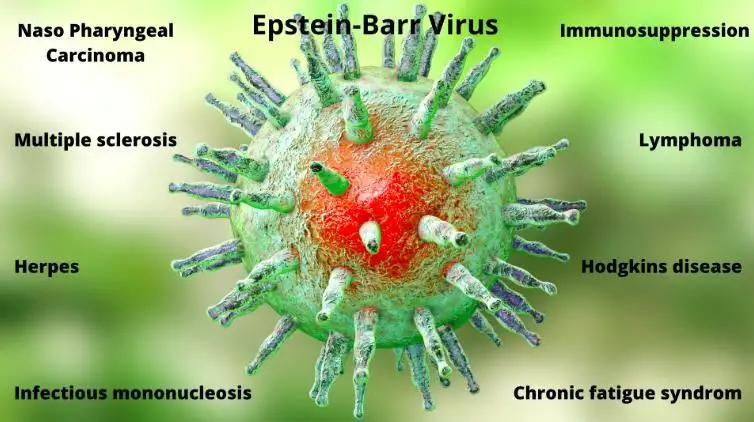
The relationship between viral infections and cancer has become a major focus of modern medical research. One virus that consistently draws attention is the Epstein-Barr virus (EBV). Many people are surprised to learn that this extremely common virus, which often causes mild or unnoticed infections, has been scientifically linked to several types of cancer. Understanding the connection between epstein barr virus and cancer can help individuals recognize risks, seek timely diagnosis, and make informed health decisions.
Epstein-Barr virus infects most people at some point in their lives, usually during childhood or adolescence. While the majority never develop serious complications, EBV can persist in the body for life. In certain situations, especially when the immune system is weakened, this persistent infection may contribute to the development of cancer. This article explores the science, symptoms, diagnosis, treatment, and prevention strategies related to epstein barr virus and cancer in a clear and practical way.
Overview of Epstein-Barr Virus and Cancer
Epstein-Barr virus is a member of the herpesvirus family. After the initial infection, the virus remains dormant in the body, particularly in B lymphocytes. For most people, the immune system keeps the virus under control. However, in some cases, EBV can interfere with normal cell regulation, increasing the risk of malignant transformation.
The link between epstein barr virus and cancer is well-established in medical research. EBV is classified as a carcinogenic virus by the World Health Organization due to its role in triggering abnormal cell growth. It does not directly cause cancer in everyone, but it significantly increases the risk when combined with genetic, environmental, or immune-related factors.
Types of Cancer Associated with Epstein-Barr Virus
Several cancers have been strongly associated with EBV infection. These cancers vary in prevalence depending on geography, genetics, and immune status.
| Cancer Type | Description | EBV Association |
|---|---|---|
| Hodgkin Lymphoma | Cancer of the lymphatic system | Strongly linked in many cases |
| Non-Hodgkin Lymphoma | Includes Burkitt lymphoma and diffuse large B-cell lymphoma | High EBV involvement |
| Nasopharyngeal Carcinoma | Cancer in the upper throat behind the nose | Very strong association |
| Gastric Cancer | Certain subtypes of stomach cancer | Moderate to strong |
| Post-Transplant Lymphoproliferative Disorder (PTLD) | Occurs in immunosuppressed patients | Very strong |
These examples highlight how epstein barr virus and cancer are connected through immune dysfunction and abnormal viral activity within cells.
Causes and Risk Factors
EBV alone is not enough to cause cancer. Multiple factors usually work together to increase cancer risk.
Key causes and risk factors include:
-
Weakened immune system due to HIV, organ transplantation, or immunosuppressive therapy
-
Genetic susceptibility affecting immune response
-
Chronic inflammation caused by persistent EBV infection
-
Environmental factors such as smoking, poor diet, or exposure to carcinogens
-
Geographic factors, especially in regions where nasopharyngeal carcinoma is common
Understanding these risk factors allows individuals to better assess their personal risk related to epstein barr virus and cancer.
Symptoms and Early Warning Signs
Early symptoms of EBV-related cancers are often subtle and may be mistaken for common illnesses. Paying attention to persistent or unusual symptoms is crucial.
Common warning signs include:
-
Unexplained fatigue lasting for weeks or months
-
Swollen lymph nodes that do not resolve
-
Persistent sore throat or nasal congestion
-
Unintentional weight loss
-
Night sweats and recurrent fever
-
Abdominal pain or digestive discomfort in gastric involvement
Early detection significantly improves outcomes in cancers associated with epstein barr virus and cancer.
Diagnosis
Diagnosis involves a combination of clinical evaluation, laboratory tests, and imaging studies. Doctors aim to confirm both EBV infection and the presence of cancer.
| Diagnostic Method | Purpose |
|---|---|
| EBV Antibody Tests | Detect past or active EBV infection |
| EBV DNA Testing | Measure viral load in blood or tissue |
| Imaging (CT, MRI, PET) | Identify tumor location and spread |
| Biopsy | Confirm cancer type and EBV presence |
| Immunohistochemistry | Detect EBV markers in tumor cells |
Accurate diagnosis helps guide personalized treatment plans.
Treatment Options
Treatment depends on the type of cancer, stage, and patient health. Managing epstein barr virus and cancer often requires a multidisciplinary approach.
Common treatment options include:
-
Chemotherapy to destroy cancer cells
-
Radiation therapy for localized tumors
-
Immunotherapy to boost immune response against EBV-related cancer cells
-
Targeted therapy focusing on specific molecular pathways
-
Antiviral strategies under investigation for EBV control
Advances in immunotherapy have shown promising results in EBV-associated cancers.
Prevention and Lifestyle Recommendations
There is currently no approved vaccine for EBV, but lifestyle and health strategies can reduce risk.
Practical prevention tips:
-
Maintain a strong immune system through balanced nutrition and regular exercise
-
Avoid smoking and excessive alcohol consumption
-
Practice good hygiene to reduce viral transmission
-
Attend regular health check-ups if at high risk
-
Manage chronic conditions that weaken immunity
While EBV infection is common, healthy lifestyle choices can lower complications related to epstein barr virus and cancer.
Prognosis and Survival Rates
Prognosis varies widely depending on cancer type, stage, and response to treatment. Early-stage EBV-related cancers generally have better outcomes.
| Cancer Type | General Prognosis |
|---|---|
| Hodgkin Lymphoma | High survival with modern therapy |
| Burkitt Lymphoma | Aggressive but treatable if early |
| Nasopharyngeal Carcinoma | Good outcomes with early detection |
| EBV-Associated Gastric Cancer | Variable depending on stage |
Ongoing monitoring and follow-up care are essential for long-term survival.
Latest Research and Innovations
Research into epstein barr virus and cancer is rapidly evolving. Scientists are exploring EBV-targeted vaccines, advanced immunotherapies, and personalized medicine approaches. CAR-T cell therapy and EBV-specific T-cell therapy are emerging as promising strategies, especially for patients with treatment-resistant disease.
These innovations aim not only to treat cancer but also to prevent EBV-driven tumor development in high-risk populations.
Coping and Support for Patients
A cancer diagnosis linked to EBV can be emotionally overwhelming. Psychological support, patient education, and community resources play a vital role in recovery.
Helpful coping strategies include:
-
Seeking counseling or support groups
-
Communicating openly with healthcare providers
-
Involving family and caregivers in treatment decisions
-
Focusing on mental well-being alongside physical health
Supportive care improves quality of life for patients dealing with epstein barr virus and cancer.
Conclusion
The connection between epstein barr virus and cancer highlights the complex interaction between infections, immunity, and cancer development. While most people with EBV will never develop cancer, understanding the risks, symptoms, and preventive measures empowers individuals to take control of their health. With ongoing research and medical advancements, outcomes for EBV-associated cancers continue to improve.
Frequently Asked Questions (FAQ)
1. Is Epstein-Barr virus common?
Yes, most adults worldwide have been infected with EBV at some point in their lives.
2. Does EBV always cause cancer?
No, EBV alone does not cause cancer. Cancer develops only in a small percentage of infected individuals with additional risk factors.
3. Can EBV-related cancer be cured?
Many EBV-associated cancers are highly treatable, especially when detected early.
4. Is there a vaccine for Epstein-Barr virus?
Currently, no approved vaccine exists, but several are in development.
5. Who should be most concerned about epstein barr virus and cancer?
People with weakened immune systems, genetic predisposition, or persistent symptoms should seek medical advice for evaluation.