Essential Oils for Breast Cancer: Benefits, Safety, and Evidence-Based
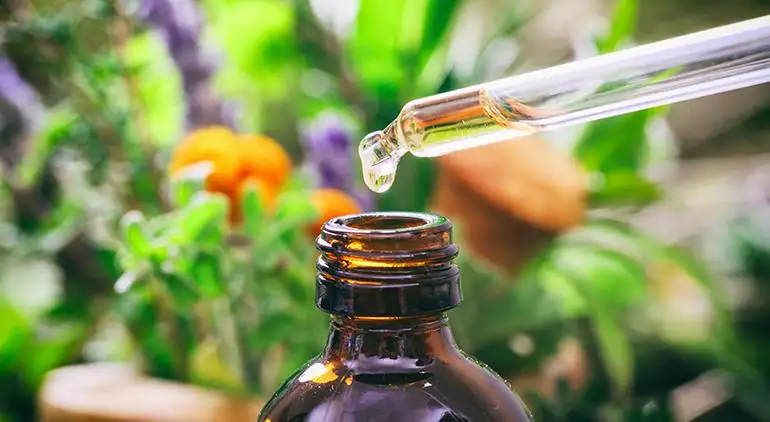
Breast cancer remains one of the most commonly diagnosed cancers worldwide, affecting millions of women and men each year. Alongside conventional treatments such as surgery, chemotherapy, radiation therapy, and hormone therapy, many patients explore complementary approaches to improve comfort, emotional well-being, and quality of life. One topic that often draws attention is essential oils for breast cancer, particularly for managing symptoms like stress, pain, fatigue, and sleep disturbances.
It is important to approach this subject with clarity and balance. Essential oils are not a cure for breast cancer, nor should they replace medical treatment. However, when used safely and under professional guidance, certain essential oils may support symptom relief and emotional wellness. This article provides an evidence-informed, professional overview to help readers understand potential benefits, limitations, and best practices.
Definition and Overview
Essential oils are concentrated plant extracts obtained through distillation or cold pressing. They contain aromatic compounds that give plants their characteristic scents and may influence mood, perception of pain, and relaxation when inhaled or applied topically in diluted form.
In the context of essential oils for breast cancer, their role is supportive rather than therapeutic. They are commonly used within integrative or complementary care programs to help patients cope with treatment-related side effects, anxiety, and reduced quality of life. Medical approval and ongoing cancer care remain essential.
Types
Several essential oils are frequently discussed in supportive breast cancer care due to their calming or symptom-relieving properties:
Lavender oil is widely used for relaxation, sleep support, and anxiety reduction.
Peppermint oil is often applied (diluted) or inhaled to help with nausea and headaches.
Frankincense oil is traditionally associated with emotional grounding and stress relief.
Ginger oil may help ease nausea related to chemotherapy.
Chamomile oil is known for its soothing effects on anxiety and sleep disturbances.
Each oil has distinct properties, and individual responses may vary.
Causes and Risk Factors
Essential oils do not address the causes of breast cancer. Breast cancer risk is influenced by a combination of factors, including genetic mutations such as BRCA1 and BRCA2, hormonal exposure, age, family history, lifestyle factors, obesity, alcohol consumption, and environmental influences.
Understanding these risk factors is essential for prevention and early detection, while essential oils remain a complementary wellness tool rather than a preventive or curative measure.
Symptoms and Early Warning Signs
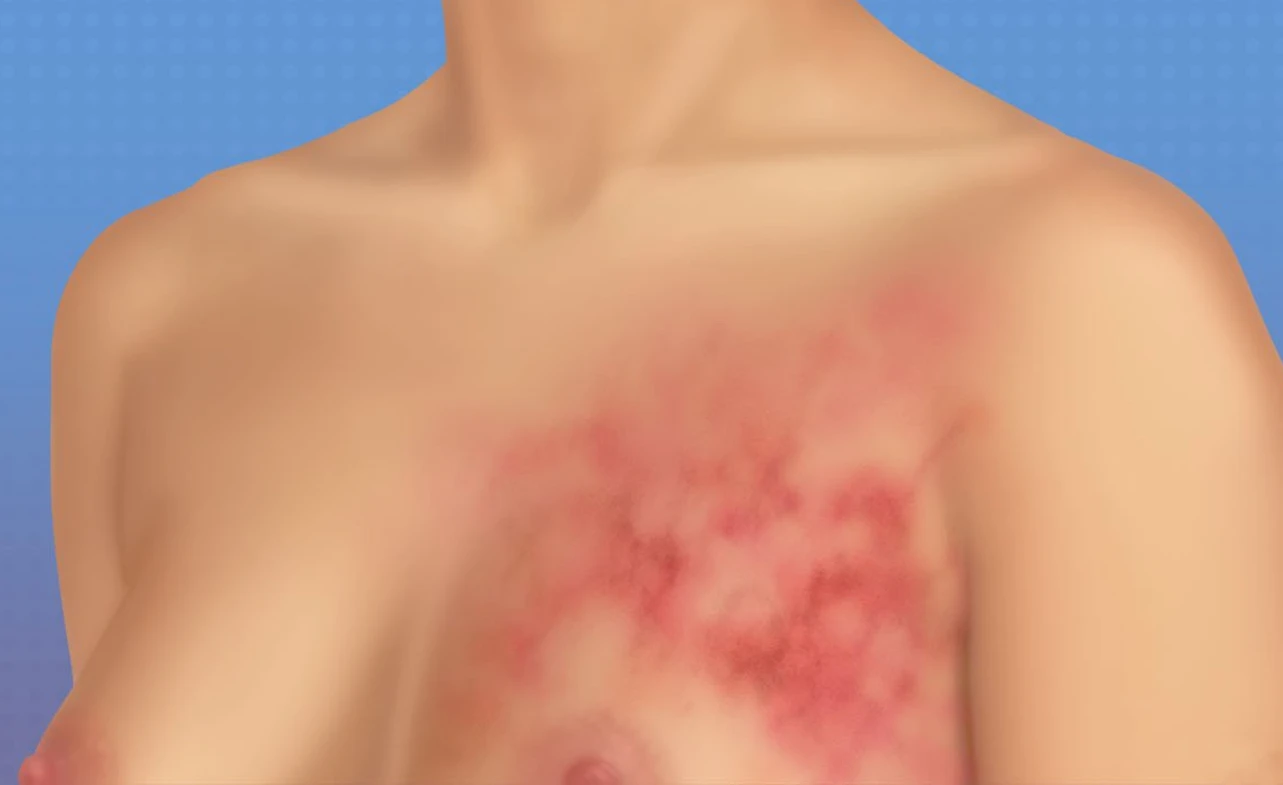
Common breast cancer symptoms include a lump in the breast or underarm, changes in breast shape or size, skin dimpling, nipple discharge, or persistent breast pain. Early detection significantly improves outcomes.
Some patients use essential oils to help cope with discomfort, anxiety, or sleep disruption after diagnosis, but they should never be used to mask symptoms or delay medical evaluation.
Diagnosis
Breast cancer diagnosis typically involves clinical breast exams, mammography, ultrasound, MRI, and biopsy. These methods provide definitive information about cancer type, stage, and receptor status.
Essential oils have no diagnostic role. Any breast changes should always be evaluated by a qualified healthcare professional.
Treatment Options
Standard breast cancer treatments include surgery, chemotherapy, radiation therapy, hormone therapy, targeted therapy, and immunotherapy. Treatment plans are personalized based on cancer type and stage.
Within this framework, essential oils for breast cancer may be used as complementary support to help manage side effects such as stress, nausea, pain perception, or insomnia. Always consult oncologists or integrative medicine specialists before use, especially during active treatment.
Prevention and Lifestyle Recommendations
Breast cancer prevention focuses on healthy lifestyle choices, including regular physical activity, balanced nutrition, weight management, limiting alcohol intake, and routine screening.
Some individuals incorporate aromatherapy with essential oils into mindfulness practices such as meditation or gentle massage to promote relaxation and stress reduction. These practices can support overall well-being but do not replace evidence-based prevention strategies.
Prognosis and Survival Rates
Breast cancer prognosis depends on factors such as cancer stage, tumor biology, and response to treatment. Advances in early detection and therapy have significantly improved survival rates over the past decades.
While essential oils do not influence survival outcomes, they may contribute to better emotional resilience and quality of life during and after treatment.
Latest Research and Innovations
Recent research in integrative oncology explores how complementary therapies, including aromatherapy, may help reduce anxiety, improve sleep quality, and enhance patient-reported outcomes. Studies generally support the use of essential oils as a low-risk supportive measure when used appropriately.
Ongoing innovations focus on combining conventional cancer care with evidence-based complementary approaches, emphasizing safety, personalization, and patient-centered care.
Coping and Support for Patients
A breast cancer diagnosis can be emotionally overwhelming. Psychological support, peer groups, counseling, and integrative therapies play an important role in coping.
Using essential oils for relaxation rituals, breathing exercises, or gentle massage may help patients feel more in control and supported. Open communication with healthcare teams ensures that these practices align with medical care.
Conclusion
Essential oils for breast cancer can play a supportive role in managing emotional and physical discomfort associated with diagnosis and treatment. When used responsibly, they may enhance relaxation, reduce stress, and improve overall well-being. However, they are not a treatment for cancer and should never replace medical care.
An informed, balanced approach that integrates conventional treatment with safe complementary practices offers the best path forward. Always seek guidance from healthcare professionals to ensure safety and effectiveness.
FAQ
1. Can essential oils cure breast cancer?
No. Essential oils cannot cure breast cancer and should not replace medical treatment.
2. Are essential oils safe during chemotherapy?
Some may be safe when properly diluted and approved by a healthcare provider, but certain oils can interfere with treatment or cause skin sensitivity.
3. Which essential oils are most commonly used for breast cancer support?
Lavender, peppermint, ginger, chamomile, and frankincense are often used for symptom support.
4. How should essential oils be used safely?
They should be diluted with a carrier oil for topical use, used in moderation, and avoided on broken skin. Inhalation is generally considered safer than topical application.
5. Should I talk to my doctor before using essential oils?
Yes. Always consult your oncologist or healthcare provider before using essential oils, especially during active cancer treatment.