What Do Breast Cancer Lumps Feel Like? Causes and Risk Factors
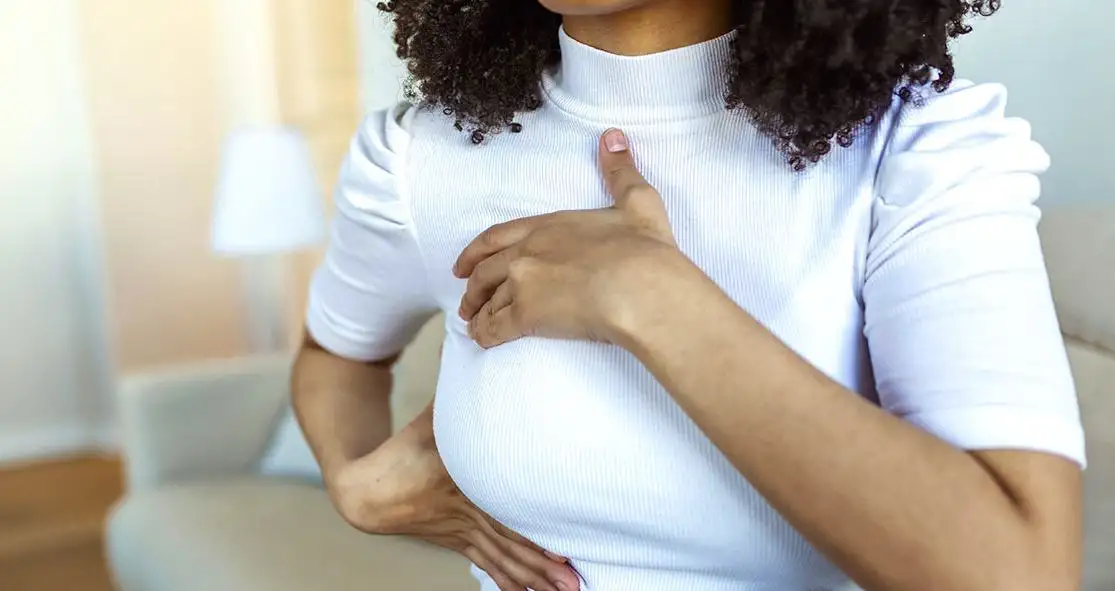
Breast health awareness plays a vital role in early detection of breast cancer, one of the most common cancers affecting women worldwide. Many people often ask, what do breast cancer lumps feel like? Understanding how abnormal breast lumps may differ from normal breast tissue can help individuals recognize potential warning signs earlier and seek medical attention promptly.
While not all breast lumps are cancerous, being familiar with the typical characteristics of breast cancer lumps can reduce delays in diagnosis. This article provides a comprehensive, SEO-friendly guide that answers the question what do breast cancer lumps feel like, while also covering causes, symptoms, diagnosis, treatment options, prognosis, and emotional support for patients.
Definition and Overview
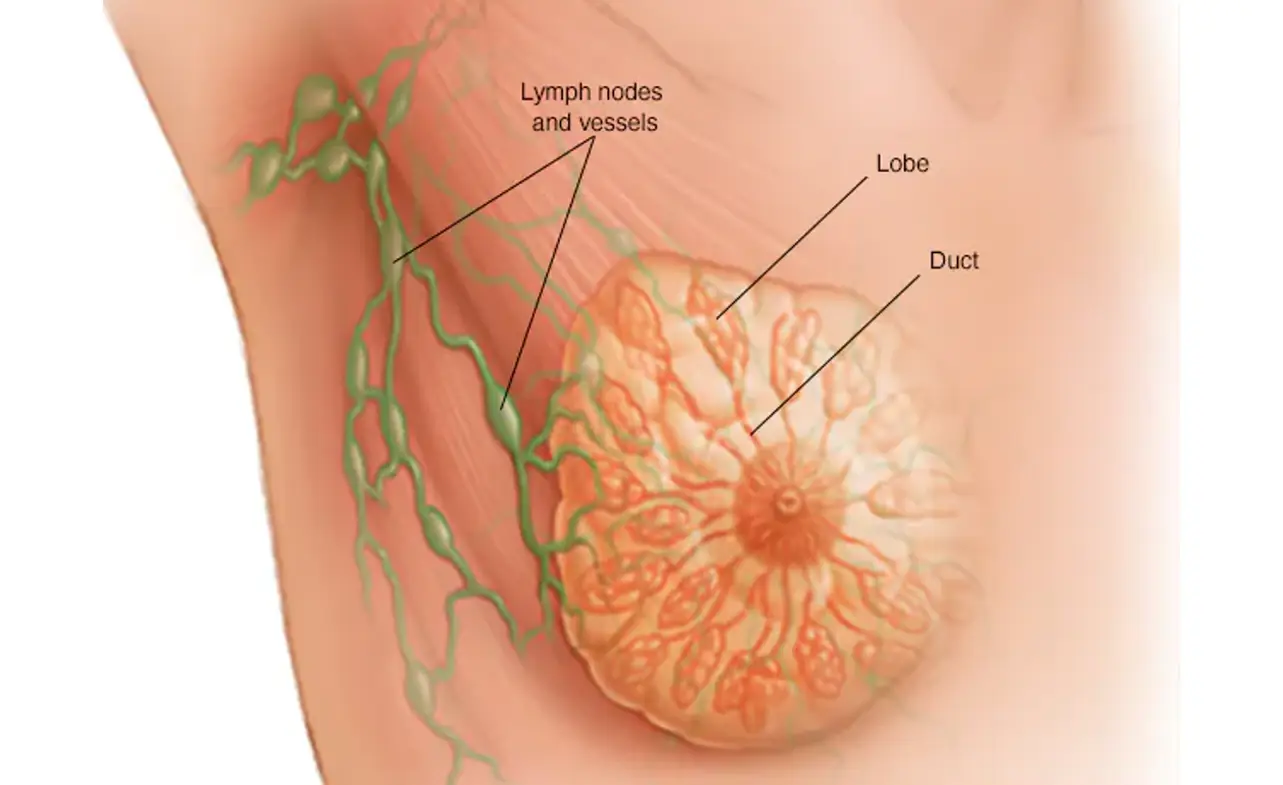
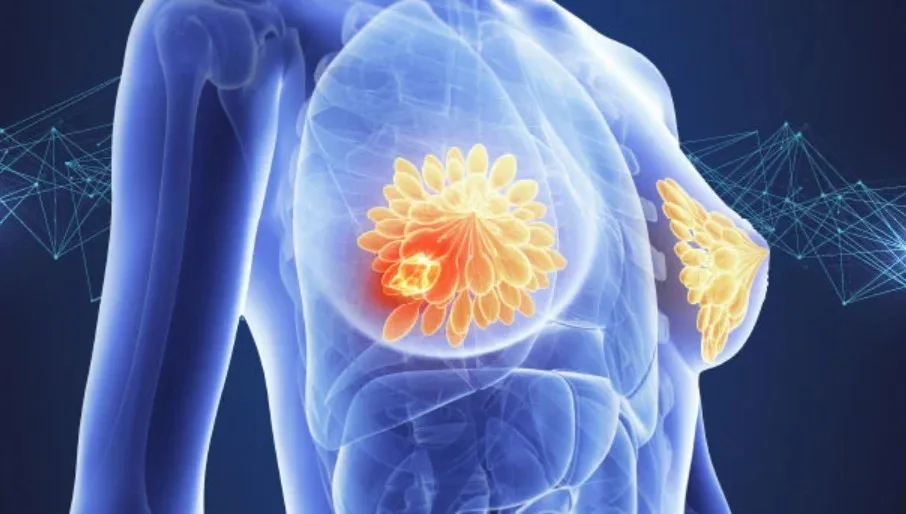
Breast cancer lumps are abnormal growths of cells within breast tissue that can sometimes be felt during self-exams or clinical examinations. These lumps often differ in texture, shape, and movement compared to benign (non-cancerous) lumps. However, it is important to note that not all breast cancers present as a lump, and not all lumps indicate cancer.
In general, when people ask what do breast cancer lumps feel like, they are referring to physical sensations such as hardness, irregular edges, or immobility. Still, the feel of a lump can vary widely depending on the type and stage of breast cancer.
Types
Breast cancer lumps can vary based on the type of breast cancer involved. Common types include:
-
Invasive ductal carcinoma (IDC): Often presents as a hard, irregular lump that feels different from surrounding tissue.
-
Invasive lobular carcinoma (ILC): May feel more like a thickened area rather than a distinct lump.
-
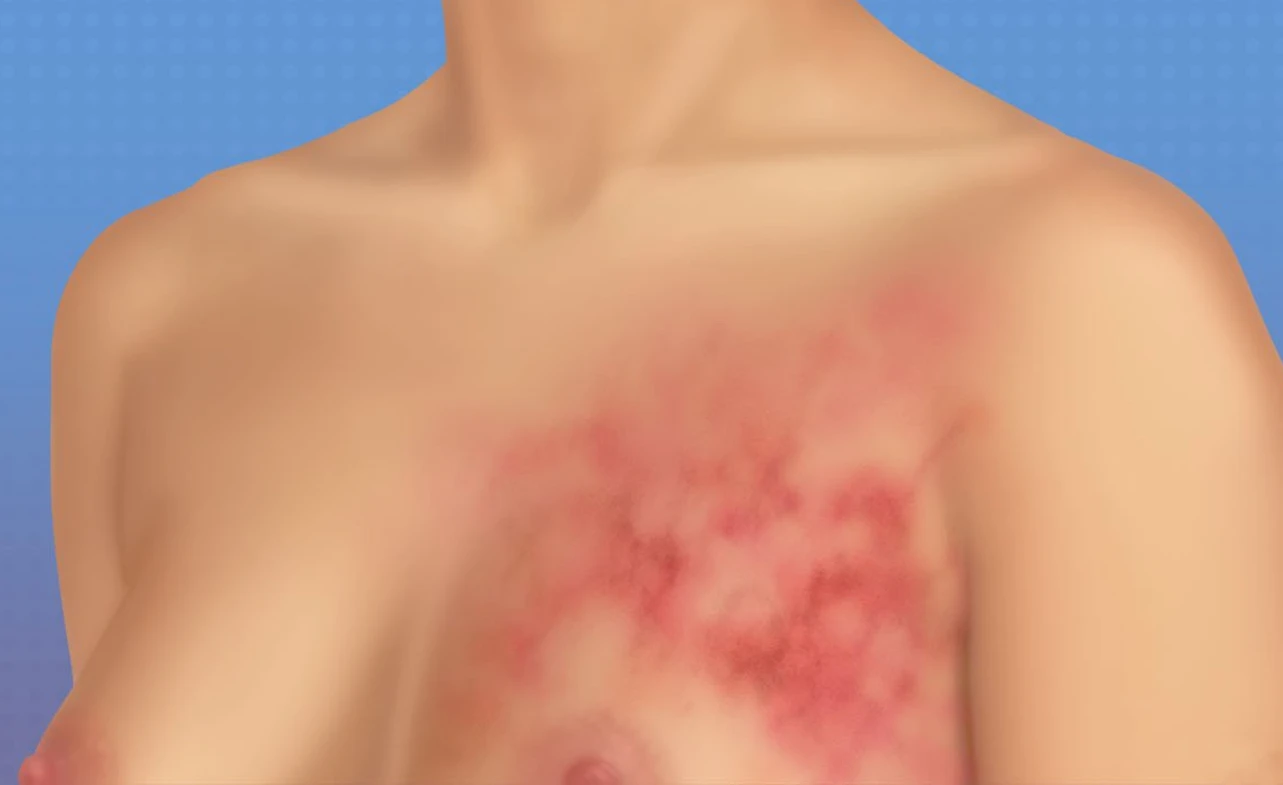
Inflammatory breast cancer: Typically does not form a clear lump but causes swelling, redness, and skin changes.
-
Ductal carcinoma in situ (DCIS): May be detected through imaging rather than touch.
Understanding these variations helps clarify why the answer to what do breast cancer lumps feel like is not always the same for everyone.
Causes and Risk Factors
Breast cancer develops due to genetic mutations that cause cells to grow uncontrollably. While the exact cause is not always known, several risk factors increase the likelihood of developing breast cancer:
-
Family history of breast or ovarian cancer
-
Genetic mutations such as BRCA1 and BRCA2
-
Increasing age
-
Hormonal factors, including early menstruation or late menopause
-
Lifestyle factors such as obesity, alcohol consumption, and physical inactivity
These risk factors do not determine how a lump feels, but they do increase the importance of regular screening and self-awareness.
Symptoms and Early Warning Signs
Besides lumps, breast cancer can present with several early warning signs. When asking what do breast cancer lumps feel like, people often describe them as:
-
Hard or firm to the touch
-
Irregular in shape
-
Painless in many cases
-
Fixed in place and not easily movable
Additional symptoms may include breast pain, nipple discharge, skin dimpling, nipple inversion, or changes in breast size or shape. Any persistent change should be evaluated by a healthcare professional.
Diagnosis
If a suspicious lump is detected, doctors use a combination of diagnostic tools to determine whether it is cancerous. These may include:
-
Clinical breast examination
-
Mammography
-
Breast ultrasound
-
MRI scans
-
Biopsy to confirm the presence of cancer cells
Diagnosis focuses not only on identifying cancer but also on determining its type, stage, and biological characteristics to guide treatment.
Treatment Options
Treatment for breast cancer depends on the type, stage, and overall health of the patient. Common treatment options include:
-
Surgery, such as lumpectomy or mastectomy
-
Radiation therapy
-
Chemotherapy
-
Hormone therapy
-
Targeted therapy and immunotherapy
Early detection often leads to more treatment options and better outcomes, highlighting the importance of understanding what do breast cancer lumps feel like and acting quickly on unusual findings.
Prevention and Lifestyle Recommendations
While not all cases of breast cancer can be prevented, certain lifestyle choices may reduce risk:
-
Maintaining a healthy weight
-
Engaging in regular physical activity
-
Limiting alcohol intake
-
Eating a balanced, nutrient-rich diet
-
Performing regular breast self-exams
-
Attending recommended screening appointments
These habits support overall breast health and increase the likelihood of early detection.
Prognosis and Survival Rates
The prognosis for breast cancer varies depending on factors such as stage at diagnosis, tumor type, and response to treatment. Generally, early-stage breast cancer has a high survival rate, while advanced-stage disease requires more intensive management.
Awareness of symptoms, including knowing what do breast cancer lumps feel like, significantly improves the chances of detecting cancer at an earlier, more treatable stage.
Latest Research and Innovations
Ongoing research in breast cancer focuses on improving early detection, developing personalized therapies, and reducing treatment side effects. Advances in genetic testing, molecular profiling, and targeted treatments are helping doctors tailor therapies to individual patients, leading to improved survival and quality of life.
Innovations in imaging technology are also enhancing the ability to detect subtle changes in breast tissue before a lump becomes noticeable.
Coping and Support for Patients
A breast cancer diagnosis can be emotionally challenging. Support systems play a crucial role in coping and recovery. Patients are encouraged to:
-
Seek emotional support from family and friends
-
Join breast cancer support groups
-
Access counseling or mental health services
-
Communicate openly with healthcare providers
Emotional well-being is an essential part of comprehensive cancer care.
Conclusion
Understanding what do breast cancer lumps feel like empowers individuals to take an active role in their breast health. While not every lump is cancerous, recognizing unusual changes and seeking timely medical evaluation can make a significant difference in outcomes. Combined with regular screenings, healthy lifestyle choices, and awareness of risk factors, early detection remains the cornerstone of effective breast cancer management.
FAQ
1. What do breast cancer lumps feel like compared to benign lumps?
Breast cancer lumps are often hard, irregular, and immobile, while benign lumps are more likely to be soft, smooth, and movable. However, only medical evaluation can confirm the difference.
2. Are breast cancer lumps always painful?
No, many breast cancer lumps are painless, especially in the early stages.
3. Can breast cancer exist without a lump?
Yes, some types of breast cancer do not form a noticeable lump and may present with skin changes or nipple abnormalities instead.
4. When should I see a doctor about a breast lump?
Any new, persistent, or unusual breast change should be evaluated by a healthcare professional as soon as possible.
5. How often should I perform a breast self-exam?
Monthly self-exams can help you become familiar with your breasts and notice changes early, but they should complement, not replace, regular clinical screenings.