Best Cancer Hospitals in the US: A Comprehensive Guide for Families
Finding the best cancer hospitals in the US is one of the most critical decisions a patient or family can make after a cancer diagnosis. With advanced medical technology, multidisciplinary care teams, and cutting-edge research, top cancer centers in the United States are globally recognized for delivering world-class oncology care. Choosing the right hospital can significantly influence treatment outcomes, quality of life, and long-term survival.
This guide is designed to help readers understand what makes the best cancer hospitals in the US stand out. Beyond listing well-known institutions, this article explains how these hospitals approach diagnosis, treatment, prevention, research, and patient support, empowering you to make informed healthcare decisions with confidence.
Definition and Overview
The best cancer hospitals in the US are specialized medical centers dedicated to the diagnosis, treatment, research, and prevention of cancer. Many of these institutions are designated as National Cancer Institute (NCI)–Comprehensive Cancer Centers, meaning they meet the highest standards for scientific excellence and patient-centered care.
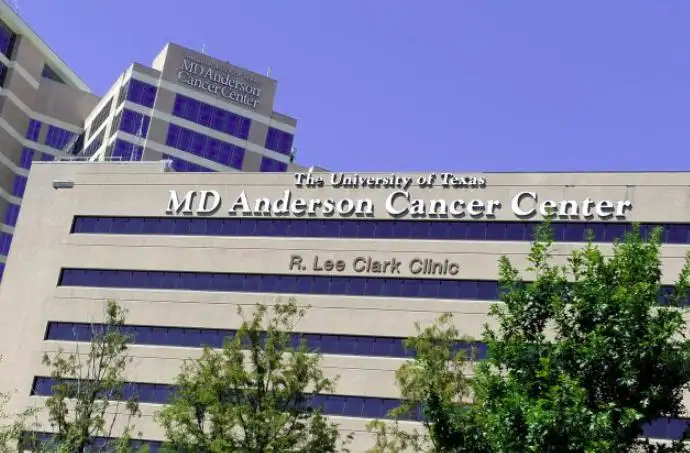
These hospitals are known for combining clinical expertise with innovation. They often treat complex and rare cancers, offer access to advanced therapies, and lead national and international clinical trials. Examples frequently recognized among the top cancer hospitals include MD Anderson Cancer Center, Memorial Sloan Kettering Cancer Center, Mayo Clinic, Cleveland Clinic, and Johns Hopkins Hospital.
Types
Cancer hospitals in the United States can be broadly categorized into several types:
Comprehensive cancer centers focus exclusively on oncology and related specialties. They provide integrated care, from prevention and screening to survivorship.
Academic medical centers combine cancer treatment with education and research. Patients benefit from physician-scientists who apply the latest evidence-based practices.
Specialized oncology hospitals concentrate on specific cancer types, such as pediatric cancers, blood cancers, or rare malignancies.
Community cancer centers deliver high-quality care closer to home, often in collaboration with larger institutions among the best cancer hospitals in the US.
Causes and Risk Factors
While cancer hospitals do not cause cancer, understanding why patients seek care at top institutions begins with recognizing cancer risk factors. Cancer can develop due to genetic predisposition, lifestyle factors such as smoking or poor diet, environmental exposures, infections, and aging.
The best cancer hospitals in the US are equipped to assess these risk factors comprehensively. They offer genetic counseling, risk assessment programs, and preventive screenings tailored to individual patient profiles, helping detect cancer earlier or reduce overall risk.
Symptoms and Early Warning Signs
Cancer symptoms vary widely depending on the type and stage of the disease. Common early warning signs may include unexplained weight loss, persistent fatigue, pain, unusual lumps, changes in bowel habits, or abnormal bleeding.
Top cancer hospitals emphasize early detection through awareness and screening programs. By identifying cancer at an early stage, these institutions increase the likelihood of successful treatment and improved survival rates.
Diagnosis
Accurate diagnosis is a cornerstone of care at the best cancer hospitals in the US. Advanced diagnostic tools such as high-resolution imaging, molecular testing, genomic sequencing, and precision pathology allow clinicians to identify cancer type, stage, and biological behavior.
Multidisciplinary tumor boards, involving oncologists, surgeons, radiologists, and pathologists, review each case collaboratively. This team-based approach ensures precise diagnosis and personalized treatment planning.
Treatment Options
The best cancer hospitals in the US offer a full spectrum of treatment options, often under one roof. These may include surgery, chemotherapy, radiation therapy, immunotherapy, targeted therapy, hormone therapy, and stem cell or bone marrow transplantation.
Personalized medicine is a key strength of leading cancer centers. Treatments are tailored based on genetic markers, tumor characteristics, and patient preferences. Access to clinical trials also allows patients to receive promising new therapies before they become widely available.
Prevention and Lifestyle Recommendations
Prevention is a vital part of cancer care at top US hospitals. Patients and high-risk individuals receive guidance on healthy lifestyle choices, including balanced nutrition, regular physical activity, tobacco cessation, and alcohol moderation.
Many of the best cancer hospitals in the US also run community outreach and education programs focused on vaccination, early screening, and risk reduction strategies, helping lower cancer incidence at a population level.
Prognosis and Survival Rates
Prognosis depends on many factors, including cancer type, stage at diagnosis, and overall health. The best cancer hospitals in the US often report higher survival rates due to early detection, specialized expertise, and access to innovative treatments.
These institutions continuously track outcomes and use data-driven approaches to improve care quality. Patients benefit from evidence-based protocols designed to maximize survival while preserving quality of life.
Latest Research and Innovations
Research is a defining feature of the best cancer hospitals in the US. These centers lead breakthroughs in immunotherapy, precision oncology, CAR T-cell therapy, and minimally invasive surgical techniques.
Ongoing clinical trials explore new drug combinations, novel biomarkers, and advanced technologies such as artificial intelligence in cancer diagnosis. Patients treated at these hospitals often gain early access to cutting-edge innovations that shape the future of cancer care.
Coping and Support for Patients
Cancer treatment extends beyond medical procedures. Top cancer hospitals provide comprehensive support services, including psychological counseling, pain management, nutritional guidance, rehabilitation, and survivorship programs.
Patient navigators and social workers help individuals manage appointments, insurance, and emotional challenges. This holistic approach ensures that patients and families feel supported throughout their cancer journey.
Conclusion
Choosing among the best cancer hospitals in the US is a deeply personal decision that can have a lasting impact on treatment success and overall well-being. These institutions stand out for their clinical excellence, advanced technology, research leadership, and compassionate care.
By understanding what differentiates top cancer hospitals and how they approach every aspect of oncology care, patients and families can make informed choices that align with their medical needs and personal values.
FAQ
1. What makes the best cancer hospitals in the US different from regular hospitals?
They offer specialized oncology expertise, advanced diagnostics, multidisciplinary care teams, and access to cutting-edge research and clinical trials.
2. Are the best cancer hospitals in the US only for advanced or rare cancers?
No. They treat all cancer stages, from early diagnosis to complex and rare cases, often providing second opinions as well.
3. Do patients need referrals to visit top cancer hospitals?
Requirements vary by institution and insurance plan. Many hospitals accept self-referrals, especially for consultations.
4. Are treatment outcomes better at top cancer hospitals?
Studies often show improved survival rates and patient outcomes, especially for complex cancers, due to specialized expertise and advanced care.
5. Can international patients receive care at the best cancer hospitals in the US?
Yes. Many leading cancer centers have international patient programs to assist with travel, appointments, and care coordination.