Colon Cancer Spread to Lungs – Symptoms, Treatment Options
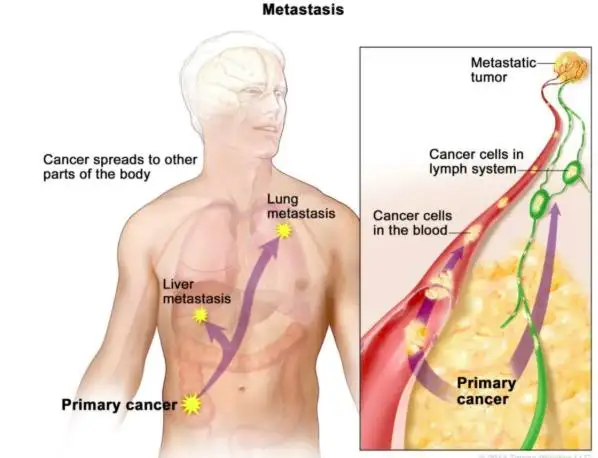
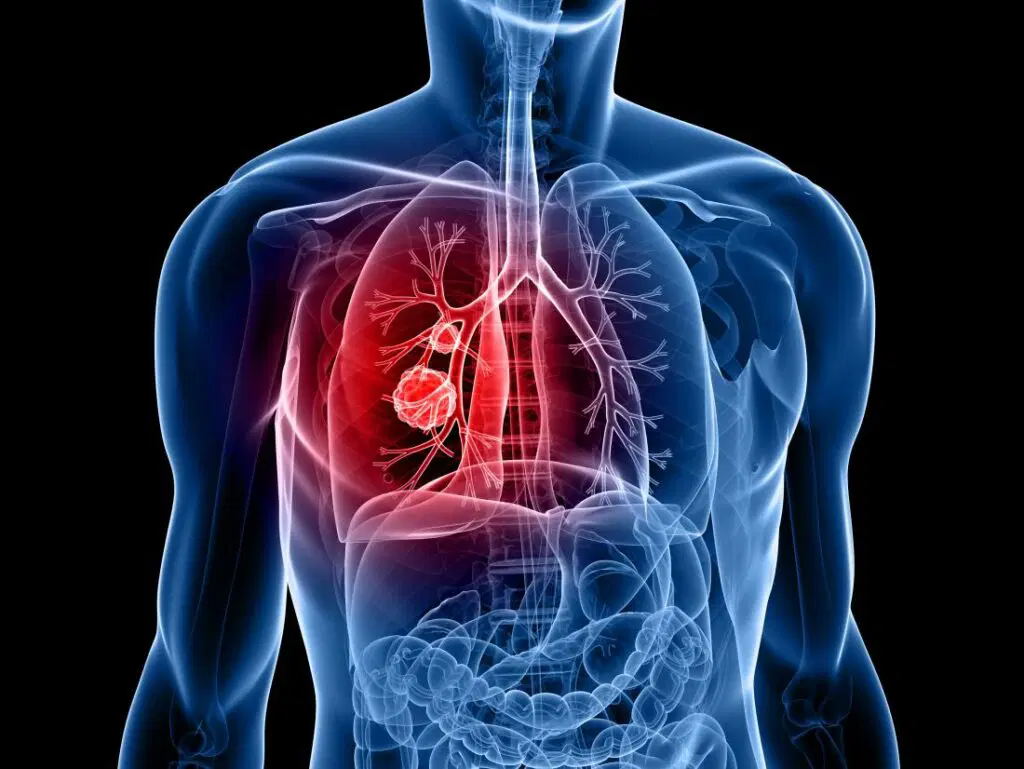
Colon cancer spread to lungs is a serious condition that occurs when cancer cells from the colon travel through the bloodstream or lymphatic system and form secondary tumors in the lungs. This stage of disease, often referred to as metastatic colon cancer, can feel overwhelming for patients and families. Understanding how and why this spread happens is a crucial first step toward making informed decisions about treatment and care.
While a diagnosis of colon cancer spread to lungs can be frightening, advances in modern medicine have significantly improved outcomes for many patients. Today, a combination of targeted therapies, immunotherapy, surgery, and supportive care offers hope for extended survival and improved quality of life. This article will guide you through everything you need to know, from early warning signs to the latest research innovations.
Overview
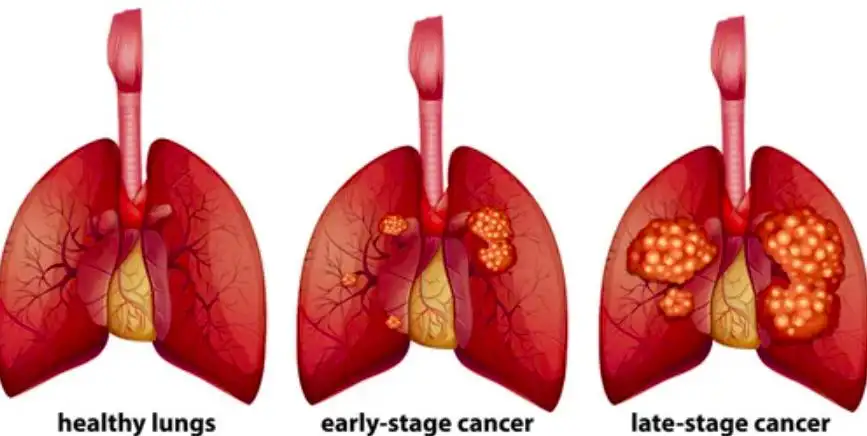
Colon cancer begins in the large intestine and may remain localized for years. However, when cancer cells break away from the primary tumor, they can migrate to distant organs. The lungs are one of the most common sites of metastasis after the liver.
When colon cancer spreads to the lungs, it is classified as stage IV colorectal cancer. At this stage, treatment focuses not only on controlling tumor growth but also on maintaining lung function, reducing symptoms, and supporting overall well-being.
Types
Colon cancer spread to lungs can present in different forms depending on the pattern and extent of metastasis.
| Type of Lung Metastasis | Description |
|---|---|
| Solitary Lung Metastasis | A single tumor in one lung, sometimes suitable for surgical removal |
| Multiple Lung Metastases | Several tumors in one or both lungs |
| Microscopic Metastases | Very small cancer deposits detected only through imaging or biopsy |
| Lung and Other Organ Metastases | Spread to lungs along with liver, bones, or brain |
Understanding the type helps doctors tailor the most effective treatment plan.
Causes and Risk Factors
The spread of colon cancer to lungs is influenced by both biological and lifestyle-related factors.
Common causes and risk factors include:
-
Advanced or untreated primary colon cancer
-
Aggressive tumor biology
-
Delayed diagnosis or incomplete initial treatment
-
Genetic mutations such as KRAS or BRAF
-
Smoking history, which weakens lung tissue
-
Weakened immune system
-
Poor response to first-line chemotherapy
Early detection and consistent follow-up care play a major role in reducing the risk of metastasis.
Symptoms and Early Warning Signs
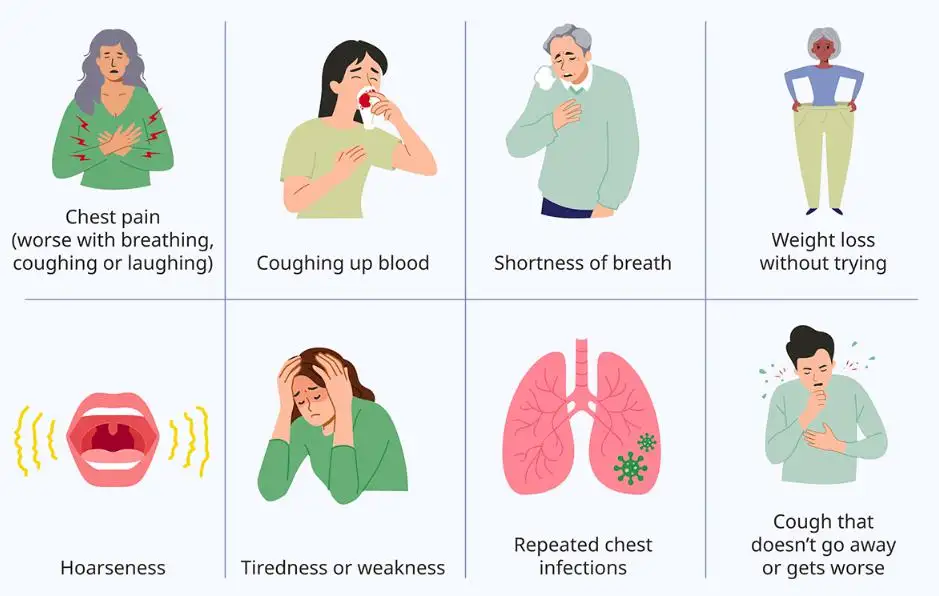
Symptoms of colon cancer spread to lungs may be subtle at first and often resemble common respiratory conditions.
Typical symptoms include:
-
Persistent cough that does not improve
-
Shortness of breath or wheezing
-
Chest pain or discomfort
-
Coughing up blood (hemoptysis)
-
Recurrent lung infections
-
Unexplained weight loss and fatigue
Because these signs can be easily overlooked, patients with a history of colon cancer should report any new respiratory symptoms to their doctor promptly.
Diagnosis
Diagnosing colon cancer spread to lungs involves a combination of imaging studies and laboratory tests.
| Diagnostic Method | Purpose |
|---|---|
| CT Scan (Chest) | Detects lung nodules or masses |
| PET Scan | Identifies active cancer cells throughout the body |
| MRI | Provides detailed imaging in selected cases |
| Biopsy | Confirms whether lung tumors originated from colon cancer |
| Blood Tests (CEA) | Monitors tumor markers and treatment response |
Accurate diagnosis ensures that treatment targets the correct cancer type.
Treatment Options
Treatment for colon cancer spread to lungs depends on tumor size, number of metastases, overall health, and previous therapies.
Common treatment approaches include:
-
Chemotherapy: Systemic treatment to control cancer throughout the body
-
Targeted Therapy: Drugs that attack specific genetic mutations
-
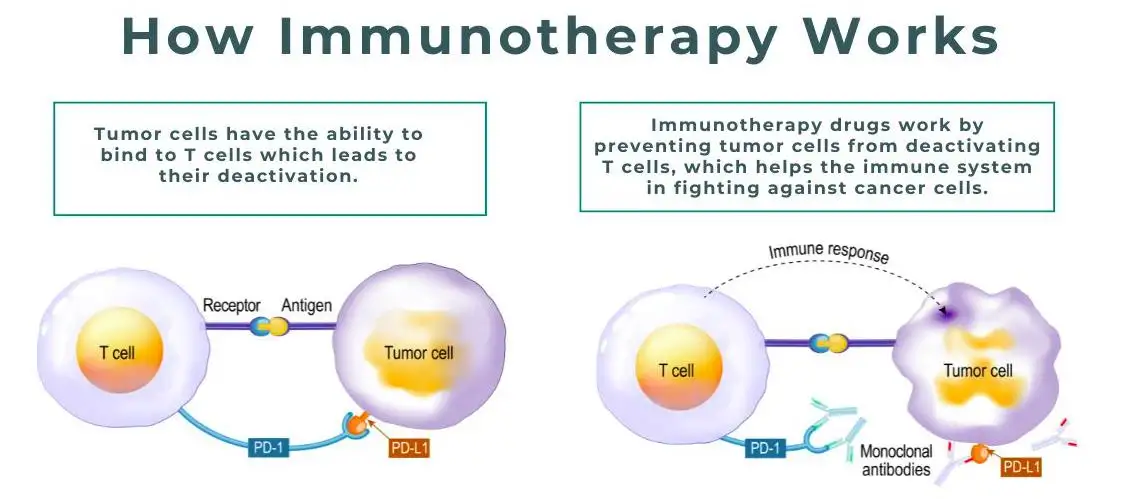
Immunotherapy: Boosts the immune system to fight cancer cells
-
Surgery: Removal of lung metastases in selected patients
-
Radiation Therapy: Used for symptom control or inoperable tumors
Often, a combination of treatments provides the best results.
Prevention and Lifestyle Recommendations
Although not all cases can be prevented, certain lifestyle changes may help reduce progression and support treatment.
Recommended strategies include:
-
Adhering strictly to follow-up appointments
-
Quitting smoking and avoiding secondhand smoke
-
Eating a balanced, high-fiber diet rich in fruits and vegetables
-
Maintaining a healthy weight
-
Engaging in regular, moderate physical activity
-
Managing stress through mindfulness or counseling
These steps can improve overall health and treatment tolerance.
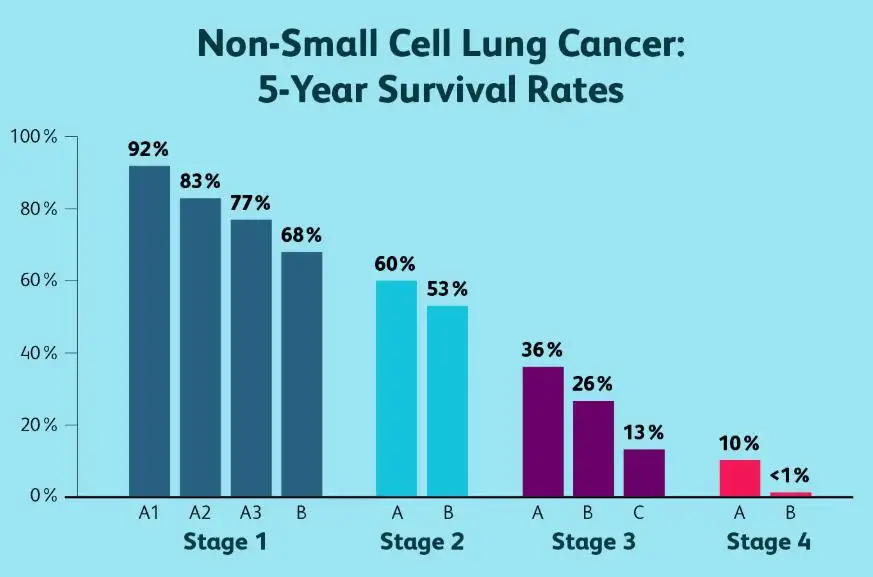
Prognosis and Survival Rates
The prognosis for colon cancer spread to lungs varies widely. Factors such as the number of lung metastases, response to treatment, and overall health strongly influence outcomes.
| Prognostic Factor | Impact on Survival |
|---|---|
| Limited Lung Metastases | Better prognosis |
| Successful Surgical Removal | Improved long-term survival |
| Good Response to Chemotherapy | Longer disease control |
| Presence of Other Metastases | Reduced survival rates |
While stage IV cancer is serious, many patients now live longer and more fulfilling lives due to advances in care.
Latest Research and Innovations
Ongoing research is transforming how colon cancer spread to lungs is treated.
Key innovations include:
-
Personalized medicine based on genetic profiling
-
New immunotherapy combinations
-
Minimally invasive lung surgery techniques
-
Liquid biopsies for early detection of metastasis
-
AI-assisted imaging for more precise diagnosis
Clinical trials continue to offer access to cutting-edge therapies that may further improve outcomes.
Coping and Support for Patients
A diagnosis of metastatic colon cancer affects both physical and emotional health. Support systems are essential.
Helpful resources include:
-
Oncology social workers and counselors
-
Patient support groups, both in-person and online
-
Palliative care for symptom management
-
Nutritional counseling
-
Family and caregiver education programs
Emotional well-being is just as important as medical treatment.
Conclusion
Colon cancer spread to lungs is a complex and challenging condition, but it is not without hope. With early detection, personalized treatment plans, and ongoing medical advances, many patients achieve meaningful disease control and improved quality of life. Staying informed, proactive, and supported can make a significant difference on this journey.
If you or a loved one is facing this diagnosis, remember that you are not alone. A multidisciplinary care team can guide you every step of the way.
FAQ
1. Is colon cancer spread to lungs curable?
In some cases with limited lung metastases, long-term remission or control is possible, especially with surgery and systemic therapy.
2. How fast does colon cancer spread to lungs?
The speed varies depending on tumor biology, stage at diagnosis, and treatment response.
3. Can lung metastases be removed surgically?
Yes, surgery may be an option for selected patients with limited and accessible tumors.
4. What is the life expectancy for colon cancer spread to lungs?
Life expectancy varies widely. Advances in treatment have significantly improved survival for many patients.
5. Does immunotherapy work for metastatic colon cancer?
Immunotherapy can be highly effective for certain genetic subtypes, particularly MSI-high tumors.