How Fast Does Lung Cancer Spread? Timeline, Stages, and What You Need
Understanding how fast does lung cancer spread is one of the most common and important questions patients and families ask after a diagnosis. Lung cancer is known for its aggressive nature, but the speed at which it progresses can vary significantly from person to person. Factors such as cancer type, stage, genetics, and overall health all play a critical role.
This article provides a comprehensive, evidence-based explanation of how lung cancer spreads, what influences its growth rate, and what patients can expect at different stages. By actively engaging you with clear explanations, tables, and practical insights, this guide aims to help you make informed decisions and feel more prepared.
Overview: How Fast Does Lung Cancer Spread?
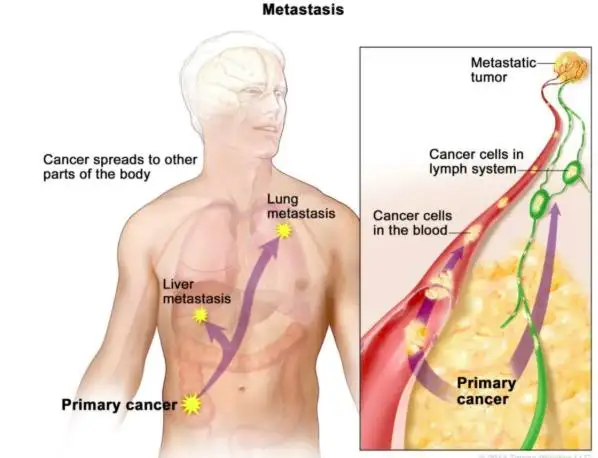
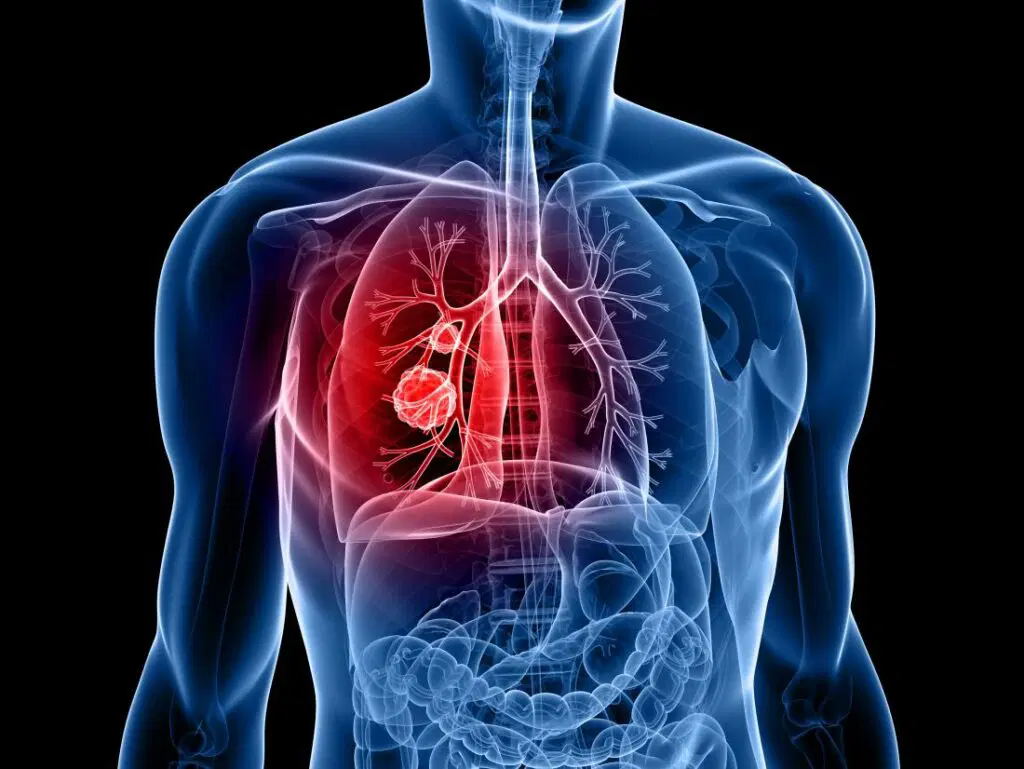
Lung cancer spreads when cancer cells divide uncontrollably and move from the lungs to nearby tissues or distant organs through the bloodstream or lymphatic system. The rate of spread can range from weeks to years, depending on the cancer type and stage at diagnosis.
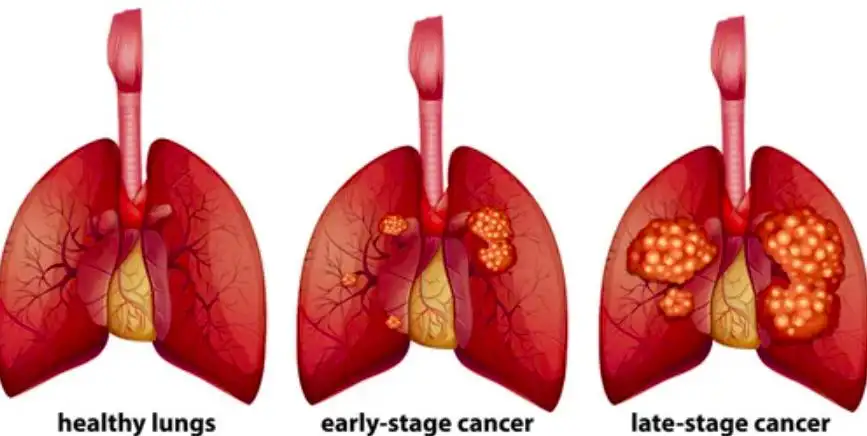
In general, small cell lung cancer (SCLC) spreads much faster than non-small cell lung cancer (NSCLC). Early-stage lung cancer may grow slowly and remain localized, while advanced stages can progress rapidly if left untreated. This wide variation explains why early detection is so critical.
Types of Lung Cancer and Their Growth Speed
Different lung cancer types behave very differently in terms of growth and spread.
| Type of Lung Cancer | Growth Speed | Likelihood of Early Spread |
|---|---|---|
| Small Cell Lung Cancer (SCLC) | Very fast (weeks to months) | Very high |
| Non-Small Cell Lung Cancer (NSCLC) | Moderate to slow (months to years) | Moderate |
| Adenocarcinoma | Slower than other NSCLC types | Moderate |
| Squamous Cell Carcinoma | Moderate | Lower in early stages |
| Large Cell Carcinoma | Fast | High |
When asking how fast does lung cancer spread, identifying the exact type is one of the most important first steps.
Causes and Risk Factors
Several factors influence how quickly lung cancer develops and spreads:
-
Smoking (primary risk factor)
-
Exposure to secondhand smoke
-
Radon gas exposure
-
Asbestos and industrial chemicals
-
Air pollution
-
Genetic mutations (EGFR, ALK, KRAS)
-
Weakened immune system
-
Previous radiation therapy to the chest
These risk factors not only increase the chance of developing lung cancer but can also affect its aggressiveness.
Symptoms and Early Warning Signs
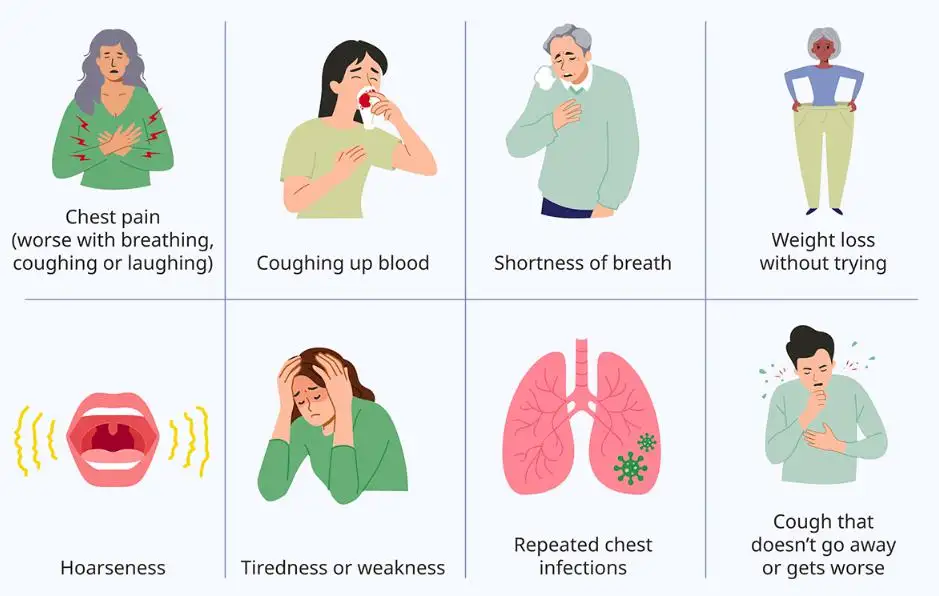
Early lung cancer often causes no symptoms, which is why it can spread unnoticed. As it grows, symptoms may include:
-
Persistent cough
-
Chest pain that worsens with breathing
-
Shortness of breath
-
Unexplained weight loss
-
Fatigue
-
Coughing up blood
-
Hoarseness
-
Recurrent lung infections
Recognizing these early warning signs can significantly slow disease progression through earlier treatment.
Diagnosis
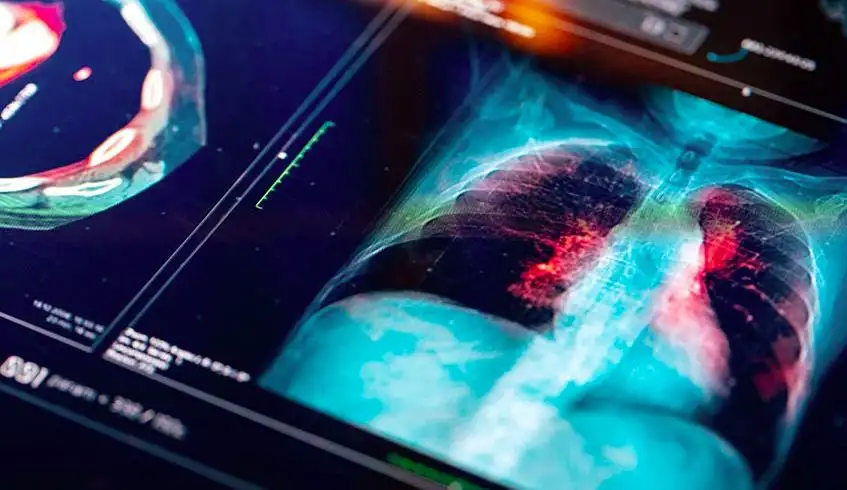
Diagnosing lung cancer and determining how fast it is spreading involves several tests:
-
Chest X-ray
-
CT scan or PET scan
-
MRI (for brain involvement)
-
Biopsy (tissue or needle)
-
Molecular and genetic testing
Staging is crucial, as it shows whether cancer is localized or has spread to lymph nodes or distant organs such as the brain, liver, or bones.
Treatment Options
Treatment depends heavily on how fast lung cancer spreads and how advanced it is at diagnosis.
| Stage | Common Treatment Options |
|---|---|
| Stage I | Surgery, radiation |
| Stage II–III | Surgery, chemotherapy, radiation |
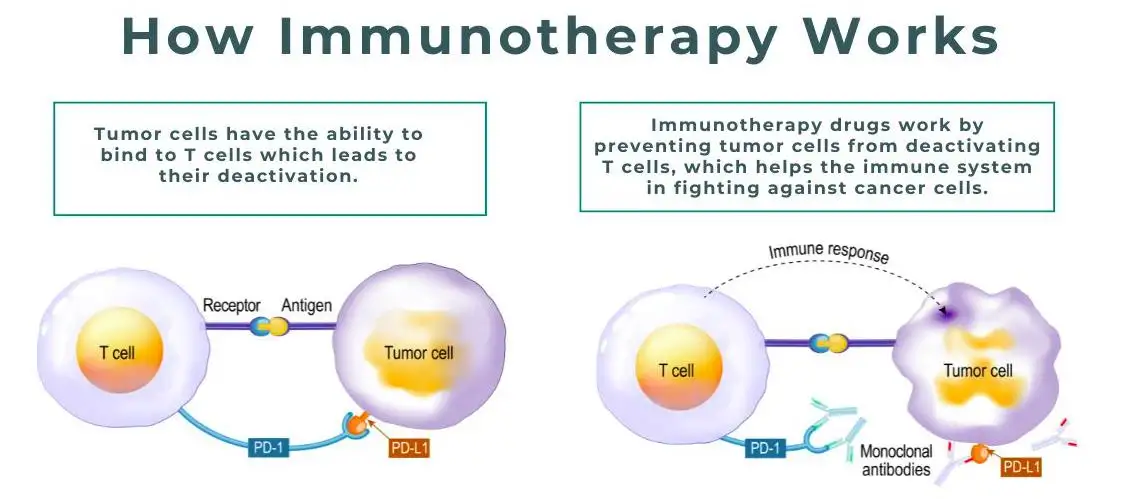
| Stage IV | Targeted therapy, immunotherapy, chemotherapy |
| SCLC (any stage) | Chemotherapy, radiation, immunotherapy |
Modern treatments can significantly slow cancer progression, even in aggressive cases.
Prevention and Lifestyle Recommendations
While not all lung cancer is preventable, these steps can reduce risk and support treatment outcomes:
-
Quit smoking immediately
-
Avoid secondhand smoke
-
Test homes for radon
-
Use protective equipment in high-risk workplaces
-
Maintain a balanced, anti-inflammatory diet
-
Stay physically active
-
Attend regular medical checkups
Lifestyle changes can improve treatment response and overall quality of life.
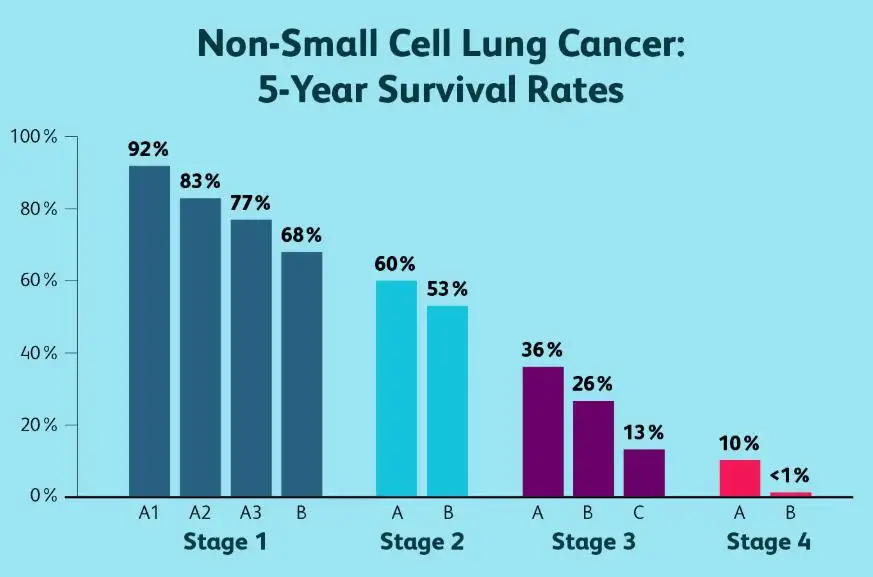
Prognosis and Survival Rates
Prognosis depends on cancer type, stage, and response to treatment.
| Stage | 5-Year Survival Rate (Approx.) |
|---|---|
| Stage I | 60–80% |
| Stage II | 30–50% |
| Stage III | 10–30% |
| Stage IV | 5–10% |
| SCLC (overall) | 5–15% |
Although statistics can seem discouraging, many patients live longer thanks to early diagnosis and newer therapies.
Latest Research and Innovations
Advances in lung cancer research are rapidly changing outcomes:
-
Targeted therapies for specific gene mutations
-
Immunotherapy to activate the immune system
-
Liquid biopsies for early detection
-
AI-assisted imaging for faster diagnosis
-
Personalized treatment plans based on tumor genetics
These innovations are improving survival and slowing how fast lung cancer spreads.
Coping and Support for Patients
A lung cancer diagnosis affects more than just physical health. Support options include:
-
Oncology counseling
-
Patient support groups
-
Palliative care for symptom management
-
Family and caregiver education
-
Mental health support
Emotional well-being plays a vital role in treatment success and quality of life.
Conclusion
So, how fast does lung cancer spread? The answer depends on many variables, including cancer type, stage, genetics, and treatment. While some forms spread rapidly, others progress slowly and can be effectively managed with early detection and modern therapies. Understanding these factors empowers patients to take action, seek timely care, and maintain hope.
FAQ
1. How fast does lung cancer spread without treatment?
Aggressive types like small cell lung cancer can spread within weeks to months, while slower types may take years.
2. Can lung cancer spread before symptoms appear?
Yes. Many patients experience no symptoms until the disease is advanced.
3. Does treatment slow the spread of lung cancer?
Yes. Chemotherapy, targeted therapy, and immunotherapy can significantly slow or even stop progression.
4. Where does lung cancer spread first?
Common sites include lymph nodes, brain, bones, liver, and adrenal glands.
5. Is fast-spreading lung cancer always fatal?
No. While aggressive, many patients respond well to modern treatments and live longer than expected.