Herb That Kills Cancer Cells in 16 Hours: What Science Really Says
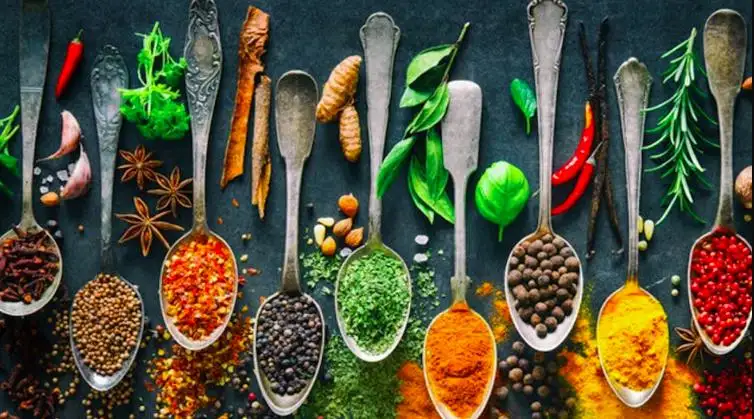
The phrase “herb that kills cancer cells in 16 hours” has gained massive attention online, sparking hope and curiosity among people seeking natural approaches to cancer prevention and support. Headlines and social media posts often suggest that certain herbs can destroy cancer cells rapidly, sometimes within hours. But what does science actually say behind these claims?
This article takes a professional, evidence-based look at the topic. We explore what researchers mean when they discuss herbs and cancer cells, which plants are commonly mentioned, how laboratory findings differ from real-life treatment, and what role if any herbs may play alongside modern medical care.
Definition and Overview
The term herb that kills cancer cells in 16 hours usually refers to laboratory (in vitro) studies where plant extracts are tested on cancer cells in petri dishes. In some experiments, researchers observe cancer cell death (apoptosis) within a short time frame, sometimes as little as 16–24 hours after exposure.
It is critical to understand that killing cancer cells in a lab does not mean curing cancer in humans. The human body is far more complex, involving immune responses, metabolism, dosage limits, and potential side effects. These findings are considered early-stage research, not clinical proof.
Types
Several herbs are frequently cited when discussing rapid cancer cell response in laboratory studies:
Turmeric (Curcuma longa)
Curcumin, the active compound in turmeric, has been shown in lab studies to induce apoptosis in certain cancer cell lines. Some experiments report effects within hours under controlled conditions.
Garlic (Allium sativum)
Garlic contains sulfur compounds such as allicin, which have demonstrated anticancer activity in vitro, including inhibition of cancer cell growth.
Green Tea (Camellia sinensis)
Epigallocatechin gallate (EGCG), a powerful antioxidant in green tea, has been widely studied for its potential to suppress cancer cell proliferation.
Graviola (Annona muricata)
Often mentioned in alternative medicine, graviola extracts have shown cytotoxic effects on cancer cells in lab settings, though human evidence remains limited.
Causes and Risk Factors
While herbs are often discussed as potential solutions, understanding the causes and risk factors of cancer remains essential. Cancer develops due to genetic mutations influenced by factors such as:
-
Smoking and tobacco exposure
-
Poor diet and obesity
-
Chronic inflammation
-
Environmental toxins
-
Radiation exposure
-
Family history and genetics
No herb can eliminate these risk factors on its own, but lifestyle changes can significantly reduce overall risk.
Symptoms and Early Warning Signs
Cancer symptoms vary depending on type and stage, but common early warning signs include:
-
Unexplained weight loss
-
Persistent fatigue
-
Lumps or unusual swelling
-
Chronic pain
-
Changes in bowel or bladder habits
-
Unexplained bleeding
Herbs should never be used to ignore or delay medical evaluation when symptoms appear.
Diagnosis
Cancer diagnosis relies on medical procedures such as imaging tests, blood work, biopsies, and genetic analysis. There is currently no scientific evidence that herbs can diagnose cancer or replace professional medical assessment.
Early diagnosis remains one of the strongest predictors of successful treatment outcomes.
Treatment Options
Standard cancer treatments include surgery, chemotherapy, radiation therapy, immunotherapy, and targeted therapy. These treatments are supported by extensive clinical research.
Herbs discussed under the idea of a herb that kills cancer cells in 16 hours may be used only as complementary support, and always under medical supervision. They should never replace evidence-based cancer treatment.
Prevention and Lifestyle Recommendations
Although no herb can guarantee cancer prevention, a holistic lifestyle can reduce risk:
-
Eat a balanced diet rich in fruits and vegetables
-
Maintain a healthy weight
-
Exercise regularly
-
Avoid smoking and excessive alcohol
-
Manage stress and get adequate sleep
Certain herbs may support overall health, but prevention depends on long-term habits rather than rapid effects.
Prognosis and Survival Rates
Cancer prognosis depends on cancer type, stage at diagnosis, treatment response, and overall health. Survival rates are based on large population studies, not on herbal interventions alone.
Claims about an herb killing cancer cells in 16 hours should not be confused with improved survival or cure rates in humans.
Latest Research and Innovations
Modern research continues to investigate plant-based compounds as potential sources for future cancer drugs. Many chemotherapy agents originally came from plants, refined and tested through rigorous clinical trials.
Current innovations focus on combining natural compounds with advanced therapies, improving targeting, and reducing side effects—rather than relying on herbs alone.
Coping and Support for Patients
A cancer diagnosis can be emotionally overwhelming. Support systems play a crucial role, including:
-
Oncologists and healthcare teams
-
Counselors and mental health professionals
-
Family and friends
-
Patient support groups
Complementary practices like mindfulness, nutrition counseling, and safe herbal use may improve quality of life when integrated responsibly.
Conclusion
The idea of a herb that kills cancer cells in 16 hours is rooted in early laboratory research, not proven human cures. While certain herbs show promising anticancer activity in controlled environments, translating these findings into safe and effective treatments requires extensive clinical testing.
Herbs may support overall wellness, but they should be viewed as complementary—not curative. Reliable cancer care always starts with medical diagnosis, evidence-based treatment, and informed lifestyle choices.
FAQ
1. Is there really a herb that kills cancer cells in 16 hours?
Some herbs have shown the ability to kill cancer cells in laboratory studies within hours, but this does not mean they cure cancer in humans.
2. Can herbs replace chemotherapy or radiation?
No. Herbs should not replace conventional cancer treatments. Doing so can be dangerous.
3. Are natural remedies safer than medical treatments?
Not always. Natural does not automatically mean safe, especially at high doses or when interacting with medications.
4. Can I take herbal supplements during cancer treatment?
Always consult your doctor. Some herbs can interfere with chemotherapy or other treatments.
5. Why are herbs still researched for cancer?
Because they contain bioactive compounds that may inspire future drugs or supportive therapies when scientifically validated.