How Do Cancer Cells Differ from Normal Cells? Causes and Risk Factors
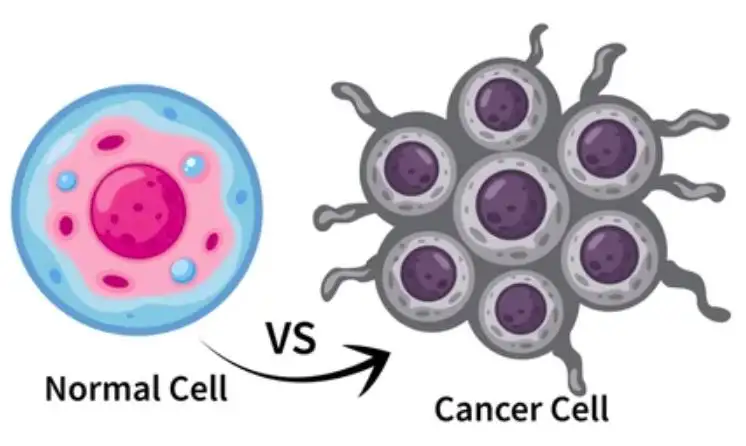
Understanding how do cancer cells differ from normal cells? is one of the most fundamental questions in cancer biology. This topic not only helps scientists develop better treatments but also empowers patients and the general public to better understand how cancer begins, grows, and spreads in the body. By learning these differences, readers can gain clearer insight into why cancer behaves so aggressively compared to healthy tissue.
Cancer is not a single disease but a collection of conditions characterized by abnormal cell behavior. While normal cells follow strict rules that maintain balance and health, cancer cells break these rules. This article provides a comprehensive, SEO-friendly explanation of how cancer cells differ from normal cells, covering causes, diagnosis, treatment, prevention, and the latest scientific advances in an easy-to-understand yet professional manner.
Definition and Overview
To fully answer the question how do cancer cells differ from normal cells?, it is important to first understand what normal cells do. Normal cells grow, divide, and die in an orderly and controlled way. Their behavior is regulated by genetic instructions that ensure tissues function properly and remain healthy.
Cancer cells, in contrast, are abnormal cells that grow uncontrollably. They ignore signals that normally limit cell division, resist programmed cell death, and can invade nearby tissues or spread to distant organs. These fundamental differences are what make cancer a potentially life-threatening condition.
Types
Cancer cells can differ from normal cells in various ways depending on the type of cancer. Broadly, cancers are categorized based on the tissue or cell type where they originate.
Carcinomas arise from epithelial cells that line organs and body surfaces. Sarcomas develop from connective tissues such as bone or muscle. Leukemias affect blood-forming tissues, while lymphomas and myelomas involve the immune system. Each type demonstrates unique cellular differences, but all share the hallmark traits that distinguish cancer cells from normal cells.
Causes and Risk Factors
The differences between cancer cells and normal cells are often caused by genetic mutations. These mutations can be inherited or acquired over time due to environmental factors.
Common risk factors include tobacco use, excessive alcohol consumption, radiation exposure, harmful chemicals, chronic inflammation, poor diet, obesity, and infections such as HPV or hepatitis viruses. Aging is also a significant risk factor, as genetic damage accumulates over time, increasing the likelihood that normal cells will transform into cancer cells.
Symptoms and Early Warning Signs
Because cancer cells behave differently from normal cells, they often cause noticeable symptoms. These may include unexplained weight loss, persistent fatigue, abnormal lumps, changes in skin appearance, chronic pain, or unusual bleeding.
Early warning signs vary depending on the cancer type and location. In some cases, cancer may not cause symptoms in its early stages, which is why regular screenings and awareness of bodily changes are essential for early detection.
Diagnosis
Diagnosing cancer involves identifying the abnormal characteristics that distinguish cancer cells from normal cells. Doctors use imaging tests, laboratory analyses, biopsies, and molecular testing to detect and analyze abnormal cell behavior.
Microscopic examination often reveals key differences, such as irregular cell shapes, abnormal nuclei, rapid cell division, and loss of normal tissue organization. Advances in genetic testing now allow clinicians to identify specific mutations that drive cancer growth.
Treatment Options
Cancer treatment focuses on targeting the unique properties that differentiate cancer cells from normal cells. Common treatment options include surgery, chemotherapy, radiation therapy, immunotherapy, targeted therapy, and hormone therapy.
While chemotherapy and radiation aim to destroy rapidly dividing cells, newer targeted treatments focus on specific molecular abnormalities found only in cancer cells. Immunotherapy helps the immune system recognize and attack cancer cells more effectively, minimizing damage to normal cells.
Prevention and Lifestyle Recommendations
Although not all cancers are preventable, understanding how do cancer cells differ from normal cells? highlights the importance of prevention. Healthy lifestyle choices can significantly reduce cancer risk.
Recommendations include maintaining a balanced diet rich in fruits and vegetables, exercising regularly, avoiding tobacco, limiting alcohol intake, protecting skin from excessive sun exposure, managing stress, and attending routine health screenings. Vaccinations against cancer-related viruses also play a key preventive role.
Prognosis and Survival Rates
Prognosis depends on how early cancer is detected and how different the cancer cells are from normal cells. Cancers that closely resemble normal cells tend to grow more slowly and respond better to treatment.
Survival rates vary widely based on cancer type, stage, overall health, and treatment options. Early-stage cancers generally have a much better prognosis than advanced-stage cancers where abnormal cells have spread extensively.
Latest Research and Innovations
Ongoing research continues to explore how cancer cells differ from normal cells at the genetic and molecular levels. Innovations such as precision medicine, gene therapy, liquid biopsies, and artificial intelligence are transforming cancer diagnosis and treatment.
Scientists are also studying cancer metabolism, immune evasion, and tumor microenvironments to develop more effective and less toxic therapies. These advances bring hope for more personalized and successful cancer care in the future.
Coping and Support for Patients
A cancer diagnosis can be emotionally and physically overwhelming. Understanding the biological differences between cancer cells and normal cells can help patients feel more informed and involved in their care.
Support systems, including counseling, support groups, family involvement, and patient education programs, are essential for improving quality of life. Emotional resilience and access to accurate information can make a significant difference in coping with cancer.
Conclusion
So, how do cancer cells differ from normal cells? The answer lies in their uncontrolled growth, resistance to cell death, ability to invade tissues, and genetic instability. These differences explain why cancer behaves aggressively and requires specialized treatment approaches.
By understanding these distinctions, individuals can better appreciate the importance of prevention, early detection, and ongoing research. Knowledge is a powerful tool in the fight against cancer, benefiting patients, caregivers, and the wider community alike.
FAQ
1. How do cancer cells differ from normal cells in growth behavior?
Cancer cells divide uncontrollably and ignore growth-regulating signals, while normal cells grow in a controlled and organized manner.
2. Can normal cells turn into cancer cells?
Yes, normal cells can become cancer cells due to genetic mutations caused by environmental factors, lifestyle choices, or inherited conditions.
3. Why are cancer cells dangerous to the body?
Cancer cells can invade nearby tissues, spread to distant organs, and disrupt normal body functions, making them potentially life-threatening.
4. Do all cancer cells behave the same way?
No, cancer cells vary depending on the cancer type, but all share key characteristics that distinguish them from normal cells.
5. How does understanding cancer cells help treatment?
Knowing how cancer cells differ from normal cells allows doctors to design targeted therapies that attack cancer more effectively while minimizing harm to healthy tissue.