Why Isn't There a Cure for Cancer? Understanding the Behind the Disease
The question “why isn’t there a cure for cancer?” is one of the most common and most emotional questions asked by patients, families, and the public. Despite decades of research, billions of dollars in funding, and remarkable medical advances, cancer remains a leading cause of death worldwide. This reality often leads to frustration, confusion, and even suspicion about why a single, universal cure has not yet been found.
To understand why there isn’t a cure for cancer, it is essential to first understand what cancer actually is. Cancer is not one disease, but a broad group of diseases with complex biological behaviors. This article explores the scientific, medical, and practical reasons behind the absence of a single cure for cancer, while also highlighting the progress that has been made and the hope offered by ongoing research.
Definition and Overview
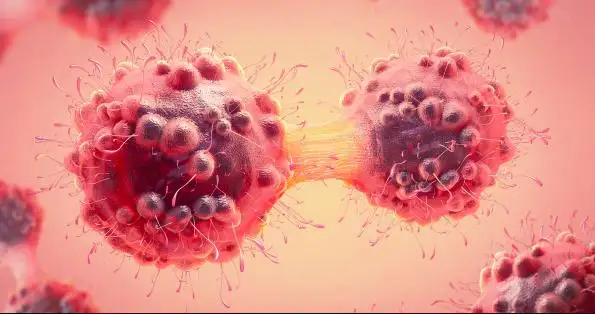
Cancer refers to a group of diseases characterized by the uncontrolled growth and spread of abnormal cells. These cells can invade nearby tissues and spread (metastasize) to distant parts of the body. While the word “cancer” is often used as if it were a single condition, there are actually more than 200 distinct types of cancer.
This diversity is one of the main reasons why there isn’t a cure for cancer. Each type behaves differently, responds differently to treatment, and is driven by unique genetic and environmental factors. What works for one cancer may be ineffective—or even harmful—for another.
Types of Cancer
Cancer can be classified in several ways, most commonly by the tissue or organ where it begins. Major categories include:
-
Carcinomas, which start in epithelial cells such as skin, lung, breast, or colon
-
Sarcomas, which arise in bones, muscles, or connective tissue
-
Leukemias, which affect the blood and bone marrow
-
Lymphomas and myelomas, which impact the immune system
-
Brain and spinal cord cancers, which involve the central nervous system
Even within a single category, cancers can vary significantly at the molecular level. This variation helps explain why a universal cure for cancer has remained elusive.
Causes and Risk Factors
Cancer develops due to changes (mutations) in DNA that disrupt normal cell growth and repair mechanisms. These mutations can be caused by a combination of factors, including:
-
Genetic predisposition
-
Tobacco use
-
Exposure to radiation or carcinogenic chemicals
-
Chronic infections
-
Poor diet and physical inactivity
-
Aging and accumulated cellular damage
Because cancers arise from different combinations of causes, the disease does not follow a single pathway that can be easily targeted with one treatment. This complexity is a key answer to the question of why there isn’t a cure for cancer.
Symptoms and Early Warning Signs
Cancer symptoms vary widely depending on the type and stage of the disease. Common early warning signs may include:
-
Unexplained weight loss
-
Persistent fatigue
-
Lumps or unusual swelling
-
Changes in skin appearance
-
Persistent pain or bleeding
-
Changes in bowel or bladder habits
Many cancers cause no symptoms in their early stages, making early detection difficult. By the time symptoms appear, the disease may already be advanced, further complicating treatment and cure efforts.
Diagnosis
Cancer diagnosis often involves multiple steps, including physical examinations, imaging tests, laboratory analyses, and biopsies. Advances in diagnostic technology have improved accuracy, but challenges remain.
Cancer cells can be genetically unstable and heterogeneous, meaning different cells within the same tumor may behave differently. This makes precise diagnosis and targeted treatment more difficult, contributing to why there isn’t a cure for cancer yet.
Treatment Options
Current cancer treatments include surgery, chemotherapy, radiation therapy, immunotherapy, targeted therapy, and hormone therapy. In many cases, these treatments can cure certain cancers, especially when detected early.
However, cancer cells can adapt, develop resistance, and evade treatment. Some treatments may kill most cancer cells but leave behind a small number that later regrow. This adaptability is another major reason why a single, permanent cure for cancer has not been achieved.
Prevention and Lifestyle Recommendations
While there isn’t a universal cure for cancer, many cases can be prevented or risk reduced through lifestyle choices. Recommendations include:
-
Avoiding tobacco products
-
Maintaining a healthy diet rich in fruits and vegetables
-
Exercising regularly
-
Limiting alcohol consumption
-
Protecting skin from excessive sun exposure
-
Participating in recommended cancer screening programs
Prevention and early detection remain among the most effective strategies in reducing cancer-related deaths.
Prognosis and Survival Rates
Cancer survival rates have improved significantly over the past several decades. Many cancers that were once considered fatal are now manageable or even curable, particularly in early stages.
However, prognosis varies widely depending on cancer type, stage at diagnosis, genetic factors, and access to treatment. The uneven progress across different cancers reinforces the idea that cancer is not a single disease with a single cure.
Latest Research and Innovations
Modern cancer research is moving away from the idea of one cure and toward personalized medicine. Advances include:
-
Precision oncology based on genetic profiling
-
Immunotherapies that help the immune system recognize cancer cells
-
CAR-T cell therapy for certain blood cancers
-
AI-assisted diagnostics and drug discovery
These innovations are transforming cancer care and offering new hope, even if they do not yet answer the question of why there isn’t a cure for cancer with a single solution.
Coping and Support for Patients
Living with cancer can be physically and emotionally challenging. Psychological support, patient education, and strong social networks play a crucial role in overall well-being.
Support groups, counseling, palliative care, and patient advocacy organizations help individuals and families navigate the complex journey of cancer treatment and survivorship. While a cure may not always be possible, quality of life can often be significantly improved.
Conclusion
So, why isn’t there a cure for cancer? The answer lies in the extraordinary complexity of the disease. Cancer is not one illness but hundreds of different conditions, each with its own causes, behaviors, and responses to treatment. While this complexity has prevented the development of a single universal cure, it has not stopped progress.
Today, many cancers are preventable, treatable, and even curable in certain cases. Ongoing research continues to push the boundaries of what is possible, offering hope that cancer will increasingly become a manageable condition rather than a fatal one.
FAQ
1. Why isn’t there a cure for cancer yet?
There isn’t a cure for cancer because it is not a single disease. The wide variety of cancer types, genetic differences, and adaptive behaviors make it difficult to develop one universal cure.
2. Have any cancers been cured?
Yes, some cancers can be cured, especially when detected early. Certain childhood cancers and localized cancers have very high cure rates with current treatments.
2. Is cancer research making progress?
Absolutely. Survival rates are improving, and new treatments such as immunotherapy and targeted therapy are changing outcomes for many patients.
3. Will there ever be a cure for cancer?
While a single cure for all cancers may be unlikely, continued research may lead to cures for more specific cancer types and highly effective long-term treatments.
4. What can individuals do while there isn’t a cure for cancer?
People can reduce risk through healthy lifestyle choices, participate in regular screenings, and seek early medical advice when symptoms appear. Early detection remains one of the most powerful tools against cancer.