how to detect prostate cancer: Causes and Risk Factors
Prostate cancer is one of the most common cancers affecting men worldwide, particularly as they age. Many cases develop slowly and may not cause noticeable problems in the early stages, which is why understanding how to detect prostate cancer early is crucial. Early detection can significantly improve treatment outcomes and quality of life.
By learning the warning signs, risk factors, and available screening methods, you can take a proactive role in protecting your health. This article provides a comprehensive, SEO-friendly guide on how to detect prostate cancer, covering everything from symptoms and diagnosis to prevention, treatment, and the latest research developments.
Definition and Overview
Prostate cancer occurs when abnormal cells grow uncontrollably in the prostate gland, a small, walnut-shaped organ located below the bladder in men. The prostate plays an essential role in producing seminal fluid that nourishes and transports sperm.
In many cases, prostate cancer grows slowly and remains confined to the prostate gland. However, some types are more aggressive and can spread to other parts of the body, such as bones and lymph nodes. Understanding how to detect prostate cancer early allows for timely intervention before the disease progresses.
Types of Prostate Cancer
There are several types of prostate cancer, categorized based on the cells involved:
-
Adenocarcinoma: The most common type, originating in the gland cells of the prostate.
-
Small Cell Carcinoma: A rare but aggressive form that grows and spreads quickly.
-
Neuroendocrine Tumors: Develop from hormone-producing cells and are uncommon.
-
Transitional Cell Carcinoma: Begins in the cells lining the urethra and may spread to the prostate.
-
Sarcomas: Extremely rare cancers that develop from prostate connective tissue.
Knowing the type helps doctors determine how to detect prostate cancer progression and choose appropriate treatment.
Causes and Risk Factors
The exact cause of prostate cancer is not fully understood, but several risk factors increase the likelihood of developing the disease:
-
Age: Risk increases significantly after age 50.
-
Family History: Having a father or brother with prostate cancer raises your risk.
-
Genetic Factors: Certain inherited gene mutations, such as BRCA1 and BRCA2.
-
Ethnicity: Higher incidence in African descent men.
-
Diet and Lifestyle: High-fat diets, obesity, and lack of physical activity may contribute.
Being aware of these factors can help you and your doctor decide when and how to detect prostate cancer through screening.
Symptoms and Early Warning Signs
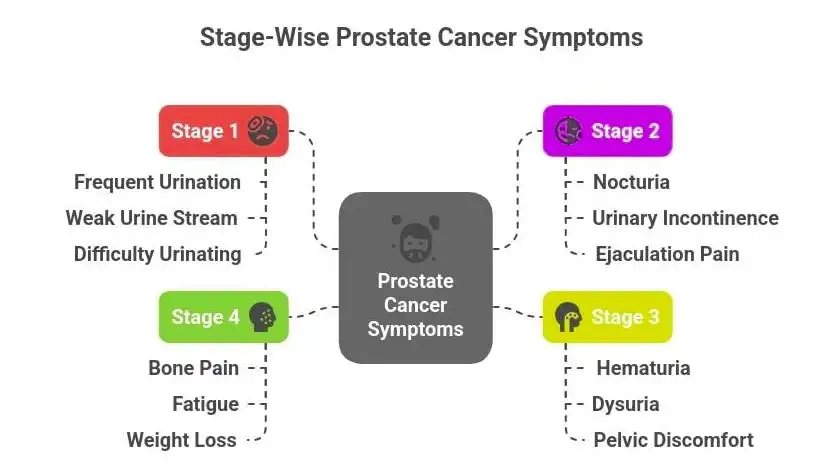
In its early stages, prostate cancer often causes no symptoms. As the disease progresses, warning signs may include:
-
Difficulty starting or stopping urination
-
Weak or interrupted urine flow
-
Frequent urination, especially at night
-
Pain or burning during urination
-
Blood in urine or semen
-
Erectile dysfunction
-
Pain in the lower back, hips, or pelvis
Because early symptoms can be mild or absent, routine screening is a key strategy in how to detect prostate cancer before it becomes advanced.
Diagnosis
Diagnosis typically involves a combination of screening tests and clinical evaluations:
-
Prostate-Specific Antigen (PSA) Test: Measures PSA levels in the blood. Elevated levels may indicate prostate cancer, but can also result from benign conditions.
-
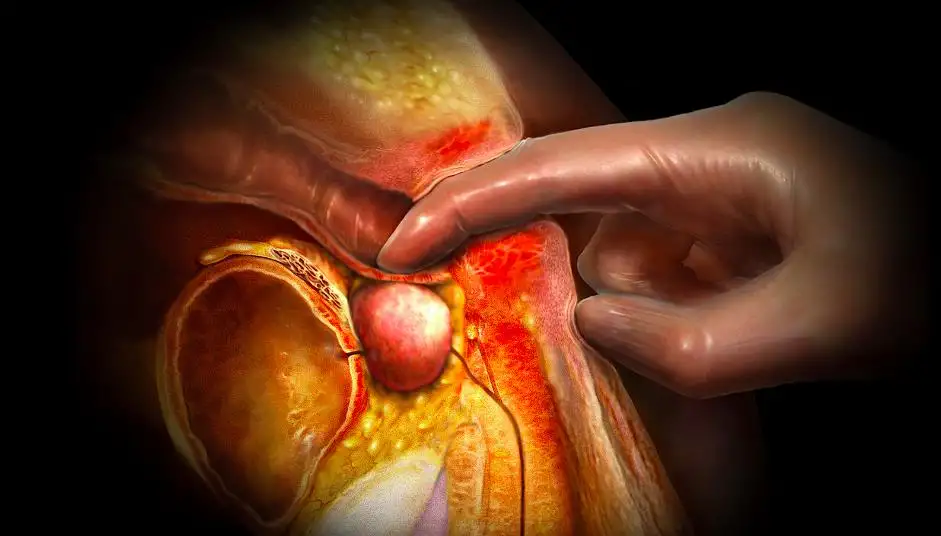
Digital Rectal Exam (DRE): A physical exam to check for abnormalities in the prostate.
-
Prostate Biopsy: Removal of small tissue samples for laboratory analysis to confirm cancer.
-
Imaging Tests: MRI, CT scans, or bone scans to assess cancer spread.
Doctors use these tools together to accurately determine how to detect prostate cancer and assess its stage.
Treatment Options
Treatment depends on cancer stage, type, overall health, and personal preferences. Common options include:
-
Active Surveillance: Monitoring low-risk cases without immediate treatment.
-
Surgery (Prostatectomy): Removal of the prostate gland.
-
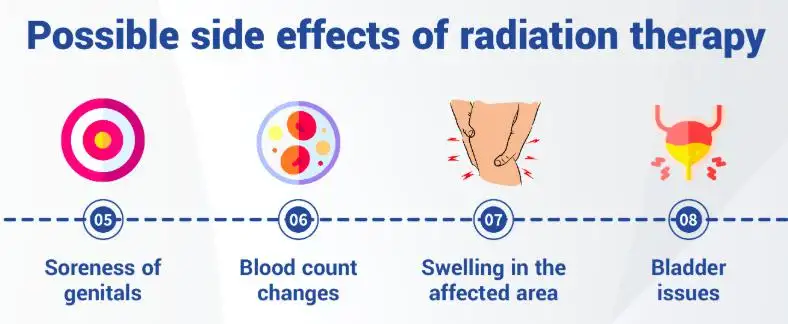
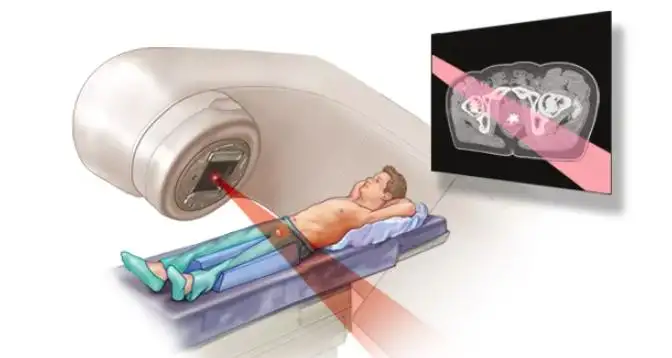
Radiation Therapy: External beam radiation or brachytherapy.
-
Hormone Therapy: Reduces testosterone levels to slow cancer growth.
-
Chemotherapy: Used for advanced or hormone-resistant cancer.
-
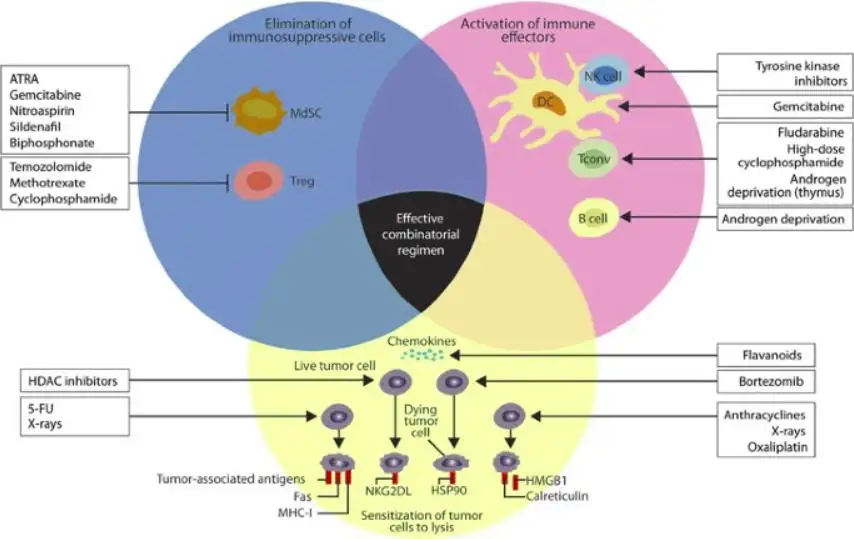
Targeted and Immunotherapy: Emerging options for specific cases.
Early detection often allows for less aggressive treatment and better outcomes.
Prevention and Lifestyle Recommendations
While prostate cancer cannot always be prevented, certain lifestyle choices may reduce risk:
-
Maintain a healthy weight
-
Eat a balanced diet rich in fruits, vegetables, and whole grains
-
Limit red and processed meats
-
Exercise regularly
-
Avoid smoking and excessive alcohol consumption
-
Discuss regular screening with your doctor, especially if you are high-risk
These steps support overall health and improve early detection efforts.
Prognosis and Survival Rates
Prostate cancer generally has a favorable prognosis when detected early. Localized prostate cancer has a very high survival rate, often exceeding 95% over five years. Advanced or metastatic prostate cancer has lower survival rates, but modern treatments continue to improve outcomes.
Understanding how to detect prostate cancer early plays a major role in achieving the best possible prognosis.
Latest Research and Innovations
Ongoing research continues to improve detection and treatment, including:
-
Advanced Imaging Techniques: Multiparametric MRI for more accurate diagnosis.
-
Genetic Testing: Identifying individuals at higher risk.
-
Liquid Biopsies: Detecting cancer through blood or urine samples.
-
Precision Medicine: Tailoring treatment based on genetic profiles.
-
New Drug Therapies: Improving survival in advanced cases.
These innovations are shaping the future of how to detect prostate cancer more accurately and less invasively.
Coping and Support for Patients
A prostate cancer diagnosis can be emotionally challenging. Support options include:
-
Counseling or therapy
-
Support groups for patients and families
-
Open communication with healthcare providers
-
Educational resources to understand treatment choices
Emotional and psychological support is an important part of comprehensive cancer care.
Conclusion
Understanding how to detect prostate cancer is essential for early intervention, effective treatment, and improved survival rates. By recognizing risk factors, monitoring symptoms, and participating in regular screening, you can take control of your prostate health. Advances in medical research continue to offer new hope, making early detection more accessible and accurate than ever before.
FAQ
1. What is the best age to start prostate cancer screening?
Most men should discuss screening with their doctor around age 50, or earlier if they have risk factors such as family history.
2. Can prostate cancer be detected without symptoms?
Yes. Many cases are detected through PSA tests and routine screenings before symptoms appear.
3. Is a high PSA level always cancer?
No. Elevated PSA levels can also be caused by infections, inflammation, or benign prostate enlargement.
4. How often should PSA testing be done?
The frequency depends on age, risk factors, and previous test results. Your doctor can recommend a personalized schedule.
5. Is prostate cancer curable if detected early?
In many cases, yes. Early-stage prostate cancer often has excellent treatment outcomes and long-term survival.