Stage 4 Prostate Cancer Symptoms: What You Need to Know
Stage 4 prostate cancer symptoms often raise serious concerns for patients and their families because this stage indicates that the cancer has spread beyond the prostate gland. Understanding these symptoms is crucial for early recognition, timely treatment, and better management of the disease. While prostate cancer can progress silently in its early stages, advanced stages usually present more noticeable and impactful signs.
In this article, we will discuss stage 4 prostate cancer symptoms in detail, along with causes, diagnosis, treatment options, prognosis, and lifestyle recommendations. Written in a professional yet accessible tone, this guide aims to inform, support, and empower readers who are seeking reliable and SEO-optimized information about advanced prostate cancer.
Definition and Overview
Stage 4 prostate cancer, also known as metastatic prostate cancer, is the most advanced stage of the disease. At this stage, cancer cells have spread from the prostate to other parts of the body, such as the bones, lymph nodes, lungs, liver, or other organs. This spread is known as metastasis.
The presence of stage 4 prostate cancer symptoms usually reflects the areas where the cancer has spread. Unlike early-stage prostate cancer, which may cause mild or no symptoms, advanced prostate cancer often leads to systemic and persistent health problems that require comprehensive medical care.
Types
Stage 4 prostate cancer can be categorized into two main types based on how far the cancer has spread:
-
Stage 4A: Cancer has spread to nearby lymph nodes but not to distant organs.
-
Stage 4B: Cancer has spread to distant organs, most commonly the bones, but also potentially to the lungs, liver, or brain.
Understanding the type of stage 4 prostate cancer helps doctors determine the most appropriate treatment strategy and predict potential symptoms.
Causes and Risk Factors
The exact cause of prostate cancer progression to stage 4 is not always clear, but several risk factors increase the likelihood of advanced disease. These include delayed diagnosis, aggressive cancer cell types, and resistance to initial treatments.
Common risk factors include older age, family history of prostate cancer, genetic mutations such as BRCA1 or BRCA2, African ancestry, smoking, obesity, and a diet high in saturated fats. Lack of routine screening can also contribute to late-stage detection, increasing the risk of developing stage 4 prostate cancer symptoms.
Symptoms and Early Warning Signs
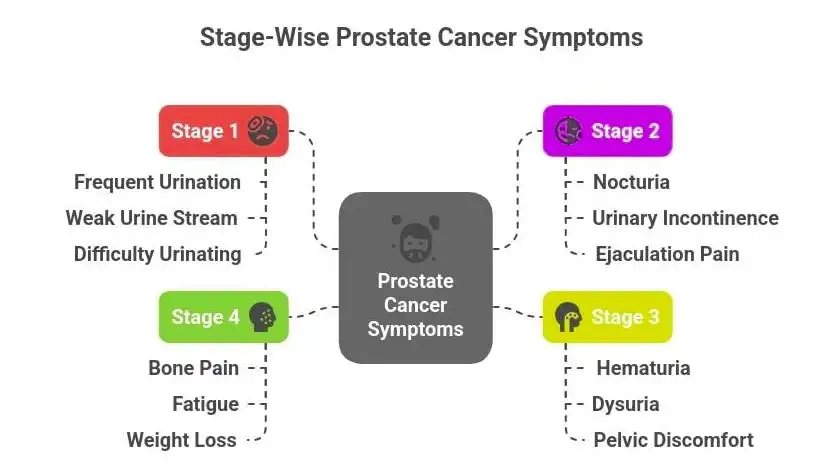
Stage 4 prostate cancer symptoms are often more severe and widespread than those seen in earlier stages. Symptoms may vary depending on where the cancer has spread, but common signs include persistent bone pain, especially in the hips, spine, or ribs, which is one of the most frequent symptoms.
Other stage 4 prostate cancer symptoms include unexplained weight loss, extreme fatigue, difficulty urinating, blood in urine or semen, swelling in the legs or pelvis, shortness of breath, and weakness or numbness in the limbs if the cancer affects the spine. In advanced cases, patients may also experience loss of appetite, anemia, or chronic pain that interferes with daily activities.
Diagnosis
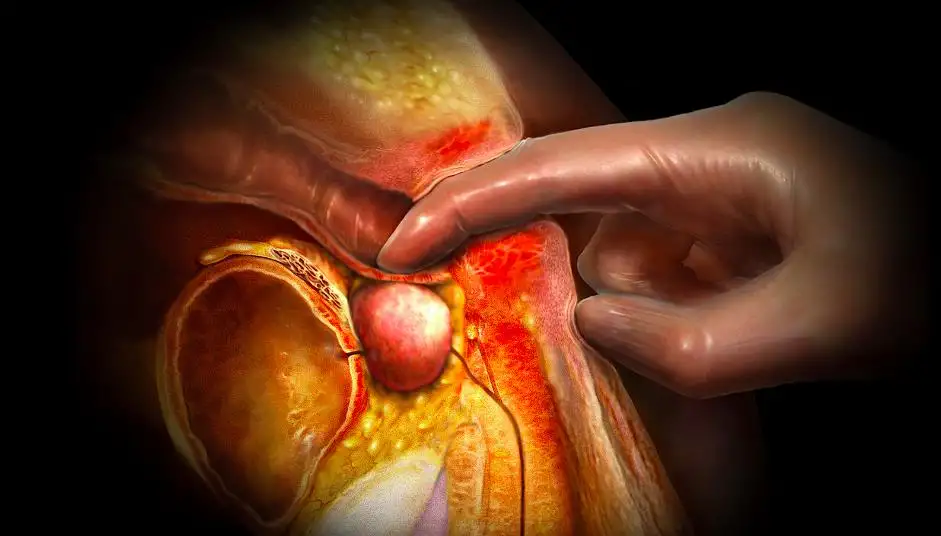
Diagnosing stage 4 prostate cancer involves a combination of laboratory tests, imaging studies, and biopsies. A prostate-specific antigen (PSA) blood test is often used to monitor disease progression, as elevated PSA levels may indicate advanced cancer.
Imaging techniques such as bone scans, CT scans, MRI, and PET scans help identify the spread of cancer to bones and other organs. In some cases, a biopsy of metastatic tissue may be performed to confirm the diagnosis and guide treatment decisions.
Treatment Options
Treatment for stage 4 prostate cancer focuses on controlling the disease, relieving symptoms, and improving quality of life. While a cure is usually not possible at this stage, many treatments can slow progression and manage stage 4 prostate cancer symptoms effectively.
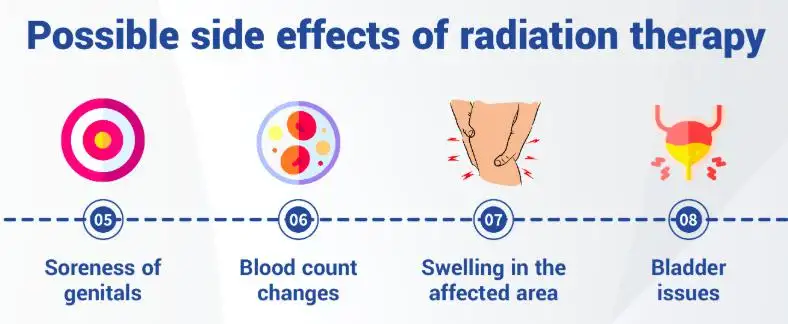
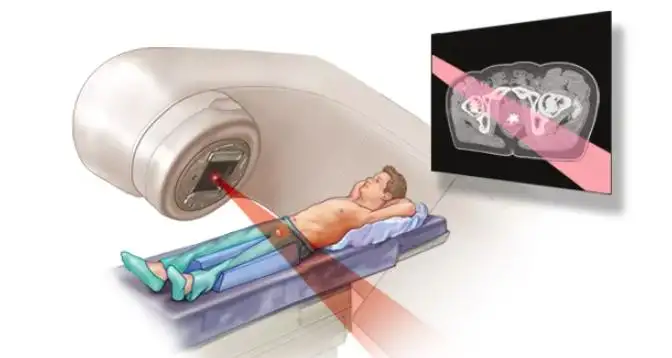
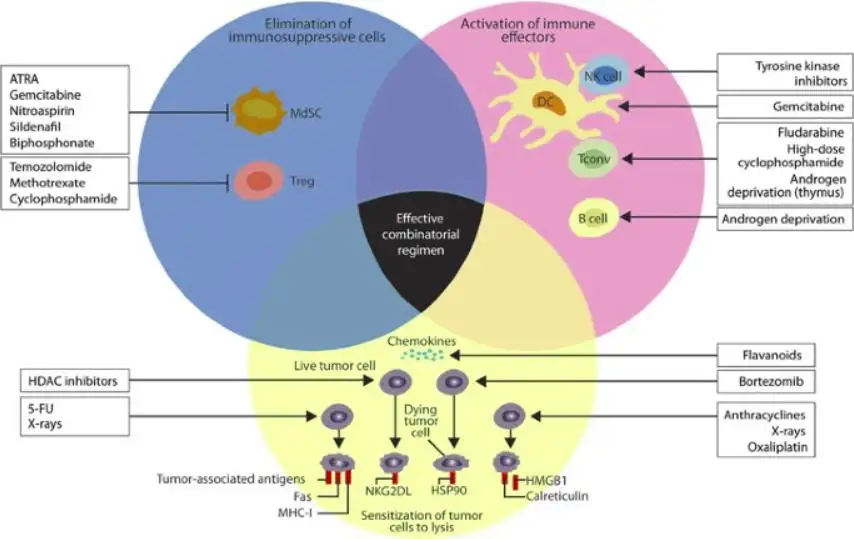
Common treatment options include hormone therapy to reduce testosterone levels, chemotherapy to target cancer cells, targeted therapy, immunotherapy, and radiation therapy to relieve bone pain. In some cases, newer treatments such as radiopharmaceuticals are used to specifically target bone metastases.
Prevention and Lifestyle Recommendations
Although stage 4 prostate cancer cannot always be prevented, adopting healthy lifestyle habits may help reduce the risk of progression and support overall well-being. Regular prostate screenings, especially for high-risk individuals, play a key role in early detection.
Lifestyle recommendations include maintaining a balanced diet rich in fruits and vegetables, engaging in regular physical activity, managing stress, quitting smoking, limiting alcohol intake, and following medical advice closely. These habits may help patients better cope with stage 4 prostate cancer symptoms and treatment side effects.
Prognosis and Survival Rates
The prognosis for stage 4 prostate cancer varies widely depending on factors such as overall health, response to treatment, and extent of metastasis. While stage 4 prostate cancer is considered advanced, many patients live for several years with appropriate treatment and symptom management.
Survival rates have improved significantly in recent years due to advances in medical care. Some patients respond well to hormone therapy and newer targeted treatments, allowing them to maintain a good quality of life despite ongoing stage 4 prostate cancer symptoms.
Latest Research and Innovations
Ongoing research continues to improve outcomes for patients with advanced prostate cancer. Innovations include next-generation hormone therapies, precision medicine based on genetic profiling, and advanced imaging techniques for earlier detection of metastasis.
Clinical trials are also exploring novel immunotherapies, combination treatments, and personalized approaches that aim to extend survival and reduce stage 4 prostate cancer symptoms. These developments offer hope for better disease control and improved patient experiences.
Coping and Support for Patients
Living with stage 4 prostate cancer can be emotionally and physically challenging. Emotional support from family, friends, and healthcare professionals is essential for maintaining mental well-being.
Support groups, counseling, palliative care services, and pain management programs can help patients cope with stage 4 prostate cancer symptoms and improve their quality of life. Open communication with healthcare providers allows patients to address concerns and make informed decisions about their care.
Conclusion
Stage 4 prostate cancer symptoms reflect the advanced nature of the disease and often have a significant impact on daily life. Understanding these symptoms, along with available treatment options and support strategies, can help patients and caregivers navigate this challenging diagnosis with greater confidence.
Although stage 4 prostate cancer is serious, advances in treatment and supportive care continue to improve outcomes and quality of life. Early recognition of symptoms, timely medical intervention, and comprehensive support remain key to managing this condition effectively.
FAQ
1. What are the most common stage 4 prostate cancer symptoms?
The most common stage 4 prostate cancer symptoms include bone pain, fatigue, weight loss, difficulty urinating, and swelling in the legs or pelvis.
2. Can stage 4 prostate cancer be cured?
Stage 4 prostate cancer is generally not curable, but treatments can control the disease, reduce symptoms, and extend life expectancy.
3. How long can someone live with stage 4 prostate cancer?
Life expectancy varies widely. Many patients live several years with proper treatment and management of stage 4 prostate cancer symptoms.
4. Does stage 4 prostate cancer always spread to the bones?
Bone metastasis is the most common, but stage 4 prostate cancer can also spread to lymph nodes, lungs, liver, or other organs.
5. What treatments help relieve stage 4 prostate cancer symptoms?
Hormone therapy, chemotherapy, radiation therapy, targeted treatments, and pain management strategies are commonly used to relieve stage 4 prostate cancer symptoms and improve quality of life.