What Are the After Effects of Radiation for Prostate Cancer? Causes and Risk Factors
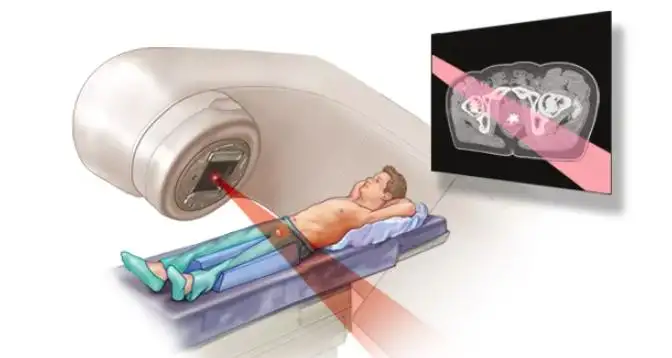
Radiation therapy is one of the most common and effective treatments for prostate cancer. It has helped millions of men control or eliminate cancer while preserving the prostate gland. However, many patients and families still ask an important question: what are the after effects of radiation for prostate cancer? Understanding these effects is essential for making informed treatment decisions and preparing for life after therapy.
The after effects of radiation for prostate cancer can vary widely from person to person. Some men experience only mild, temporary symptoms, while others may face longer-term challenges that affect urinary, bowel, sexual, or emotional health. This article provides a comprehensive, easy-to-understand overview of the short-term and long-term after effects, along with prevention strategies, treatment options, and the latest research developments.
Definition and Overview
Radiation therapy for prostate cancer uses high-energy rays or particles to destroy cancer cells. It works by damaging the DNA of cancer cells, preventing them from growing and dividing. While modern radiation techniques are highly targeted, nearby healthy tissues such as the bladder, rectum, and nerves can still be affected.
When discussing what are the after effects of radiation for prostate cancer, doctors usually divide them into short-term (acute) effects and long-term (late) effects. Short-term effects often appear during treatment or within weeks after it ends, while long-term effects may develop months or even years later.
Types
There are several types of radiation therapy used to treat prostate cancer, and the after effects can differ depending on the method:
External Beam Radiation Therapy (EBRT) delivers radiation from outside the body and is the most commonly used type.
Intensity-Modulated Radiation Therapy (IMRT) and Image-Guided Radiation Therapy (IGRT) are advanced forms of EBRT designed to reduce side effects.
Brachytherapy involves placing radioactive seeds directly into the prostate.
Proton therapy uses protons instead of X-rays and may reduce radiation exposure to surrounding tissues.
Each type has a unique risk profile, which influences what are the after effects of radiation for prostate cancer in individual patients.
Causes and Risk Factors
The after effects of radiation occur because healthy tissues near the prostate are exposed to radiation. Several factors increase the risk or severity of side effects:
Higher radiation doses or longer treatment duration
Older age at the time of treatment
Pre-existing urinary, bowel, or sexual health issues
Combination therapy, such as radiation plus hormone therapy
Individual sensitivity to radiation
Understanding these risk factors helps patients and doctors anticipate and manage potential after effects more effectively.
Symptoms and Early Warning Signs
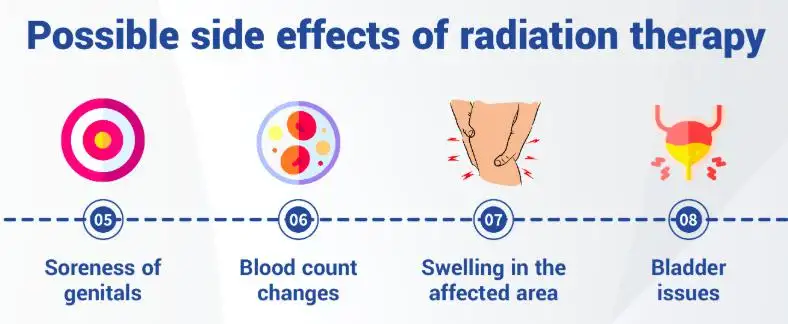
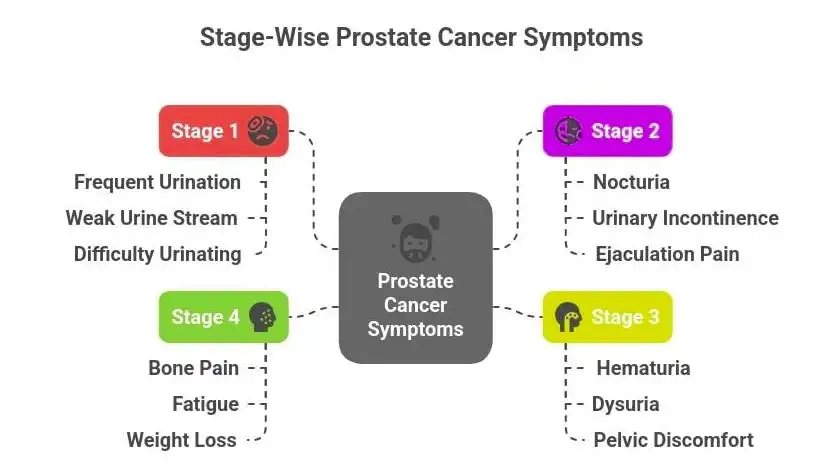
Common short-term after effects of radiation for prostate cancer include urinary frequency, burning during urination, fatigue, and mild bowel changes such as diarrhea or rectal irritation. These symptoms usually improve within weeks or months after treatment ends.
Long-term after effects may include urinary incontinence, erectile dysfunction, chronic bowel issues, and, less commonly, rectal bleeding. Early warning signs such as persistent pain, blood in urine or stool, or worsening urinary control should always be reported to a healthcare provider.
Diagnosis
Diagnosing radiation-related after effects involves a combination of patient-reported symptoms, physical examinations, and diagnostic tests. Doctors may use urine tests, blood tests, imaging studies, or endoscopic procedures to determine whether symptoms are related to radiation damage or another condition.
Regular follow-up appointments are critical after prostate cancer treatment. These visits help identify late after effects early and ensure appropriate management.
Treatment Options
Treatment for the after effects of radiation for prostate cancer depends on the specific symptoms and their severity. Urinary problems may be managed with medications, pelvic floor exercises, or, in some cases, surgical procedures. Bowel symptoms can often be controlled with dietary changes, medications, or specialized therapies.
Sexual side effects such as erectile dysfunction may be treated with oral medications, vacuum devices, injections, or counseling. Fatigue and emotional effects often improve with physical activity, stress management, and psychosocial support.
Prevention and Lifestyle Recommendations
While not all after effects can be prevented, healthy lifestyle choices can reduce their impact. Staying physically active, maintaining a balanced diet, and avoiding smoking can support overall recovery. Drinking enough fluids and following bladder- and bowel-friendly diets may help minimize urinary and digestive symptoms.
Open communication with healthcare providers is also essential. Reporting symptoms early allows for timely interventions that can prevent complications from becoming more severe.
Prognosis and Survival Rates
Radiation therapy offers excellent cancer control for many men with prostate cancer. Survival rates are generally high, especially when the disease is diagnosed early. For most patients, the benefits of radiation in controlling cancer outweigh the risks of after effects.
Importantly, many after effects improve over time or can be effectively managed. Long-term quality of life continues to improve as treatment techniques become more precise and supportive care advances.
Latest Research and Innovations
Ongoing research is focused on reducing the after effects of radiation for prostate cancer while maintaining strong cancer control. Advances such as hypofractionated radiation, adaptive radiation planning, and proton therapy aim to minimize damage to healthy tissues.
Researchers are also studying protective agents, improved imaging techniques, and personalized treatment planning to further reduce side effects. These innovations offer hope for fewer long-term complications in the future.
Coping and Support for Patients
Living with the after effects of radiation can be physically and emotionally challenging. Support groups, counseling, and patient education programs can make a significant difference. Sharing experiences with others who have undergone similar treatment often helps patients feel less isolated.
Family involvement and clear communication with healthcare teams also play a key role in coping and long-term adjustment.
Conclusion
So, what are the after effects of radiation for prostate cancer? They range from mild, temporary symptoms to longer-term challenges affecting urinary, bowel, sexual, and emotional health. While these effects can be concerning, most are manageable, and many improve over time.
With modern radiation techniques, personalized care, and ongoing research, the outlook for prostate cancer survivors continues to improve. Being informed, proactive, and supported can help patients maintain a good quality of life after treatment.
FAQ
1. What are the most common after effects of radiation for prostate cancer?
The most common include urinary irritation, fatigue, bowel changes, and erectile dysfunction, especially in the months following treatment.
2. Are the after effects of radiation permanent?
Many side effects are temporary, but some, such as erectile dysfunction or urinary changes, can be long-term. Early treatment can reduce their impact.
3. How long do radiation side effects last?
Short-term effects often resolve within weeks or months, while long-term effects may develop gradually and persist for years.
4. Can lifestyle changes help reduce after effects?
Yes. Healthy diet, regular exercise, stress management, and avoiding smoking can help improve recovery and overall well-being.
5. Is radiation safer now than in the past?
Yes. Advances in technology have made radiation therapy more precise, significantly reducing the risk and severity of side effects.