Metastatic Castration-Resistant Prostate Cancer: Causes and Risk Factors
Metastatic castration-resistant prostate cancer (mCRPC) is one of the most advanced and challenging stages of prostate cancer. It occurs when prostate cancer continues to grow and spread to distant parts of the body despite treatments that lower testosterone to castration levels. For patients and families, receiving a diagnosis of metastatic castration-resistant prostate cancer can be overwhelming, raising many questions about treatment options, prognosis, and quality of life.
Advances in medical research over the past decade have significantly changed how metastatic castration-resistant prostate cancer is managed. While it is not considered curable, modern therapies can slow disease progression, reduce symptoms, and help many patients live longer and more comfortably. Understanding this condition is a critical step toward making informed decisions and actively participating in care.
Definition and Overview
Metastatic castration-resistant prostate cancer refers to prostate cancer that has spread beyond the prostate gland and no longer responds to androgen deprivation therapy (ADT), which is designed to reduce male hormones such as testosterone. Even though testosterone levels are kept very low, cancer cells adapt and continue to grow.
This stage represents a progression from hormone-sensitive metastatic prostate cancer to a more aggressive form. The term “castration-resistant” does not mean hormones are irrelevant, but rather that the cancer has found alternative ways to survive and proliferate despite hormonal suppression.
Types
Metastatic castration-resistant prostate cancer can be categorized based on the pattern and location of spread. The most common type involves bone metastases, which can cause pain and increase the risk of fractures. Some patients develop visceral metastases, meaning the cancer spreads to organs such as the liver or lungs.
Another distinction is whether the disease is symptomatic or asymptomatic. Some patients have few noticeable symptoms despite widespread disease, while others experience significant pain, fatigue, or organ-related complications. These differences help guide treatment decisions.
Causes and Risk Factors
The primary cause of metastatic castration-resistant prostate cancer is the progression of prostate cancer cells that adapt to low-androgen environments. Over time, genetic and molecular changes allow these cells to activate androgen receptors or bypass them altogether.
Risk factors include advanced age, a history of aggressive or high-grade prostate cancer, high PSA levels at diagnosis, and early development of metastases. Genetic factors, such as inherited mutations in DNA repair genes, may also increase the likelihood of developing metastatic castration-resistant prostate cancer.
Symptoms and Early Warning Signs
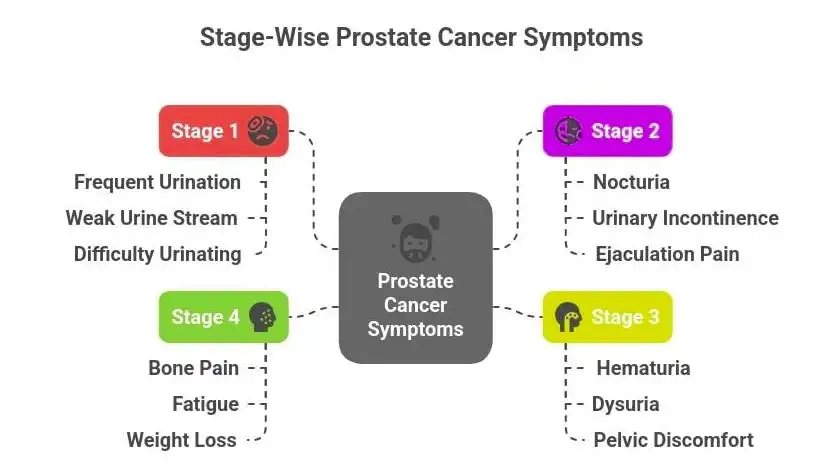
Symptoms of metastatic castration-resistant prostate cancer often depend on where the cancer has spread. Bone pain, especially in the back, hips, or ribs, is one of the most common warning signs. Patients may also experience fatigue, unintended weight loss, and decreased physical strength.
Other symptoms can include urinary difficulties, shortness of breath if the lungs are affected, or abdominal discomfort in cases of liver involvement. Early recognition of these symptoms allows for timely evaluation and treatment adjustments.
Diagnosis
Diagnosing metastatic castration-resistant prostate cancer involves confirming both disease progression and resistance to hormonal therapy. Blood tests showing rising PSA levels despite low testosterone are often the first indicator. Imaging studies such as bone scans, CT scans, MRI, or PET scans help identify metastatic sites.
In some cases, doctors may recommend additional tests, including biopsies or advanced molecular testing, to better understand the cancer’s biology and guide personalized treatment strategies.
Treatment Options
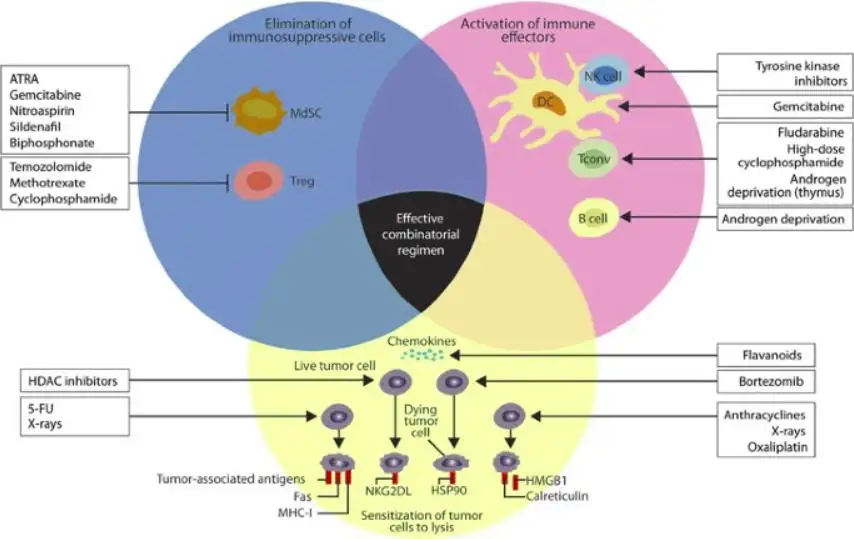
Treatment for metastatic castration-resistant prostate cancer typically involves a combination of therapies. Androgen receptor-targeted drugs are often used to further suppress hormone signaling. Chemotherapy may be recommended for patients with rapidly progressing or symptomatic disease.
Other treatment options include immunotherapy, radiopharmaceuticals for bone metastases, and targeted therapies for patients with specific genetic mutations. Supportive treatments, such as pain management and bone-strengthening agents, play an essential role in maintaining quality of life.
Prevention and Lifestyle Recommendations
There is no guaranteed way to prevent metastatic castration-resistant prostate cancer, but healthy lifestyle choices can support overall well-being during treatment. Maintaining a balanced diet, engaging in regular physical activity as tolerated, and avoiding smoking can help improve energy levels and general health.
Patients are encouraged to attend regular follow-up appointments and report new symptoms promptly. Staying informed and actively involved in care decisions may also help improve outcomes and emotional resilience.
Prognosis and Survival Rates
The prognosis for metastatic castration-resistant prostate cancer varies widely depending on factors such as disease burden, response to treatment, overall health, and access to modern therapies. While it is considered an advanced stage, many patients now live several years after diagnosis due to ongoing medical advancements.
Survival rates continue to improve as new treatments become available. Doctors often focus not only on extending survival but also on preserving quality of life and managing symptoms effectively.
Latest Research and Innovations
Research into metastatic castration-resistant prostate cancer is advancing rapidly. Scientists are exploring novel hormonal agents, combination therapies, and precision medicine approaches based on genetic profiling. Advances in imaging techniques are also improving early detection of metastases and treatment monitoring.
Clinical trials play a crucial role in developing new options, offering eligible patients access to cutting-edge therapies that may further improve outcomes in the future.
Coping and Support for Patients
Living with metastatic castration-resistant prostate cancer can be emotionally and physically demanding. Support from healthcare professionals, family, and patient support groups can make a meaningful difference. Counseling, mental health services, and peer support programs help patients cope with anxiety, stress, and uncertainty.
Open communication with the care team about symptoms, side effects, and emotional concerns ensures that support is comprehensive and tailored to individual needs.
Conclusion
Metastatic castration-resistant prostate cancer represents a complex and advanced stage of prostate cancer, but it is no longer without hope. With modern treatment strategies, many patients can achieve meaningful disease control and maintain a good quality of life. Education, early recognition of progression, and access to specialized care are essential components of effective management.
By staying informed about metastatic castration-resistant prostate cancer and working closely with healthcare providers, patients and families can navigate this journey with greater confidence and support.
FAQ
1. What is metastatic castration-resistant prostate cancer?
It is an advanced form of prostate cancer that has spread to other parts of the body and continues to grow despite low testosterone levels from hormonal therapy.
2. Is metastatic castration-resistant prostate cancer curable?
Currently, it is not considered curable, but many treatments can slow progression, reduce symptoms, and extend survival.
3. What are the most common symptoms?
Bone pain, fatigue, weight loss, and weakness are common, though symptoms vary depending on where the cancer has spread.
4. How is metastatic castration-resistant prostate cancer treated?
Treatment often includes advanced hormonal therapies, chemotherapy, targeted treatments, immunotherapy, and supportive care.
5. Can lifestyle changes help patients with this condition?
While lifestyle changes cannot cure the disease, healthy habits can support overall health, improve energy, and enhance quality of life during treatment.