Ovarian Cancer in the Lymph Nodes: Symptoms, Diagnosis, Treatment, and Survival Insights
Ovarian cancer in the lymph nodes is a serious development that can significantly influence staging, treatment decisions, and overall prognosis. When ovarian cancer spreads beyond the ovaries and reaches nearby or distant lymph nodes, it signals disease progression that requires comprehensive and personalized care. Understanding how this process occurs empowers you to make informed medical decisions and seek timely intervention.
If you or a loved one has been diagnosed with ovarian cancer involving the lymphatic system, it’s natural to feel overwhelmed. However, advances in medical research, targeted therapy, and surgical techniques continue to improve outcomes. This guide provides a complete overview of ovarian cancer in the lymph nodes, including causes, symptoms, diagnosis, treatment options, survival rates, and the latest innovations in care.
Overview of Ovarian Cancer in the Lymph Nodes
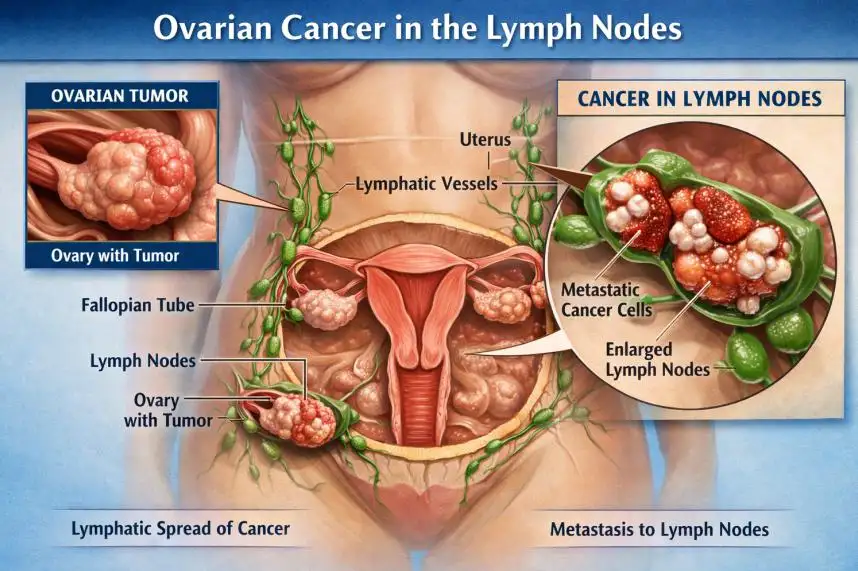
Ovarian cancer begins in the ovaries but can spread through the peritoneal cavity or via the lymphatic system. The lymphatic system, a key part of the immune system, contains lymph nodes that filter harmful substances and help fight infections. When cancer cells enter lymphatic vessels, they may travel to nearby pelvic or para-aortic lymph nodes.
According to the staging system established by the International Federation of Gynecology and Obstetrics (FIGO), lymph node involvement generally corresponds to Stage III disease. The presence of cancer in lymph nodes does not mean treatment is impossible; rather, it helps guide a more aggressive and structured treatment approach.
Common Lymph Nodes Affected
The most frequently involved lymph nodes include:
-
Pelvic lymph nodes
-
Para-aortic lymph nodes
-
Occasionally supraclavicular lymph nodes in advanced cases
Types of Ovarian Cancer That Spread to Lymph Nodes
Different histological types of ovarian cancer have varying tendencies to spread through lymphatic channels.
| Type of Ovarian Cancer | Likelihood of Lymph Node Spread | Notes |
|---|---|---|
| Epithelial ovarian cancer | High | Most common type (about 90%) |
| Germ cell tumors | Moderate | More common in younger women |
| Stromal tumors | Lower | Often detected earlier |
Epithelial ovarian cancer, particularly high-grade serous carcinoma, is most commonly associated with lymph node metastasis.
Causes and Risk Factors
Ovarian cancer in the lymph nodes results from the natural progression of untreated or advanced ovarian cancer. Cancer cells detach from the primary tumor, invade lymphatic vessels, and implant in lymph nodes.
Key Risk Factors
-
Family history of ovarian or breast cancer
-
BRCA1 or BRCA2 gene mutations
-
Age over 50
-
Endometriosis
-
Hormone replacement therapy (long-term use)
-
Nulliparity (never having given birth)
Genetic predisposition significantly increases risk. Women with inherited mutations should consider genetic counseling and screening programs.
Symptoms and Early Warning Signs
When ovarian cancer spreads to the lymph nodes, symptoms may become more noticeable. However, many early signs remain subtle.
Common Symptoms
-
Persistent abdominal bloating
-
Pelvic or abdominal pain
-
Feeling full quickly
-
Frequent urination
-
Unexplained weight loss
-
Swelling in the legs (if lymph nodes block drainage)
-
Lower back pain
If you experience symptoms lasting more than two weeks, it is crucial to consult a healthcare provider. Early detection improves treatment outcomes.
Diagnosis
Accurate diagnosis of ovarian cancer in the lymph nodes requires a combination of imaging, blood tests, and surgical evaluation.
Diagnostic Tools
| Diagnostic Method | Purpose |
|---|---|
| Pelvic ultrasound | Detect ovarian masses |
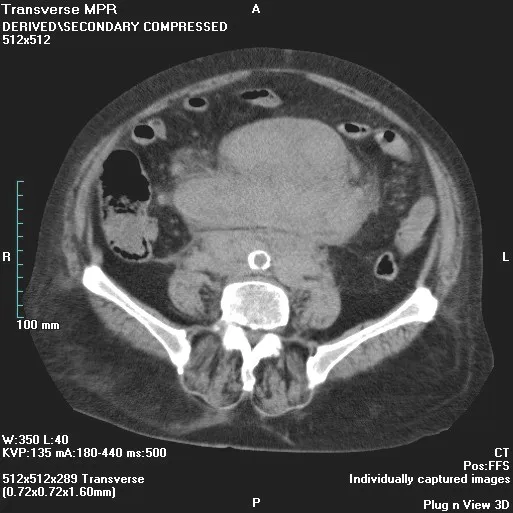
| CT scan | Identify enlarged lymph nodes |
| MRI | Detailed soft tissue imaging |
| PET scan | Detect metabolic activity of cancer |
| CA-125 blood test | Tumor marker monitoring |
| Surgical biopsy | Confirm metastasis |
Lymph node involvement is often confirmed during surgical staging or debulking procedures.
Treatment Options
Treatment for ovarian cancer in the lymph nodes typically involves a multimodal approach.
1. Surgery
Cytoreductive surgery (debulking) removes as much tumor tissue as possible, including affected lymph nodes.
2. Chemotherapy
Platinum-based chemotherapy (such as carboplatin and paclitaxel) remains the standard first-line treatment.
3. Targeted Therapy
Targeted drugs, including PARP inhibitors for patients with BRCA mutations, have improved outcomes.
4. Immunotherapy
Although still under investigation, immunotherapy is showing promising results in selected patients.
Treatment Summary Table
| Treatment | Goal | When Used |
|---|---|---|
| Surgery | Remove tumor burden | Initial treatment |
| Chemotherapy | Kill remaining cancer cells | After surgery |
| Targeted therapy | Block specific cancer pathways | Maintenance or recurrence |
| Radiation | Rarely used | Select cases |
Prevention and Lifestyle Recommendations
While ovarian cancer cannot always be prevented, certain strategies may reduce risk.
-
Regular gynecological check-ups
-
Genetic testing if high-risk
-
Oral contraceptives (may reduce risk)
-
Maintaining a healthy weight
-
Balanced diet rich in fruits and vegetables
-
Avoiding smoking
Preventive surgery may be considered for women with high genetic risk.
Prognosis and Survival Rates
The prognosis for ovarian cancer in the lymph nodes depends on several factors:
-
Stage at diagnosis
-
Extent of lymph node involvement
-
Response to chemotherapy
-
Genetic profile
-
Overall health
Five-year survival rates for Stage III ovarian cancer range between 39% and 59%, depending on tumor characteristics and treatment response. While lymph node metastasis indicates advanced disease, many patients achieve remission with appropriate therapy.
Latest Research and Innovations
Research continues to improve outcomes for patients with ovarian cancer involving lymph nodes.
Emerging developments include:
-
Personalized medicine based on genetic profiling
-
Advanced PARP inhibitors
-
Combination immunotherapy trials
-
Enhanced imaging for earlier detection
-
Minimally invasive surgical techniques
Clinical trials offer access to cutting-edge treatments and should be discussed with your oncologist.
Coping and Support for Patients
A diagnosis of ovarian cancer in the lymph nodes affects not only physical health but emotional well-being.
Support strategies include:
-
Oncology counseling
-
Support groups
-
Nutritional therapy
-
Physical rehabilitation
-
Family education programs
You are not alone in this journey. Multidisciplinary cancer care teams provide comprehensive support throughout treatment and recovery.
Conclusion
Ovarian cancer in the lymph nodes represents a more advanced stage of disease, but it is far from untreatable. Early recognition of symptoms, accurate staging, and personalized treatment strategies significantly improve outcomes. With ongoing advances in targeted therapy and immunotherapy, survival rates continue to improve.
If you suspect symptoms or have been diagnosed, take proactive steps. Consult a specialist, explore all treatment options, and consider genetic testing. Knowledge empowers you to face ovarian cancer with confidence and clarity.
FAQ
1. What does it mean if ovarian cancer is found in the lymph nodes?
It means the cancer has spread beyond the ovaries through the lymphatic system, typically corresponding to Stage III disease.
2. Is ovarian cancer in the lymph nodes curable?
While advanced, many patients achieve remission with surgery and chemotherapy. Outcomes vary based on individual factors.
3. How is lymph node involvement detected?
Through imaging tests such as CT or PET scans and confirmed via surgical biopsy.
4. Does lymph node spread worsen prognosis?
Yes, it generally indicates advanced disease, but modern treatments significantly improve survival rates.
5. Can ovarian cancer spread to distant lymph nodes?
In advanced cases, it may reach distant nodes, though pelvic and para-aortic nodes are most commonly affected.