Lower Back Pain Colon Cancer: Symptoms, Causes, Diagnosis, and Treatment Explained

Lower back pain is one of the most common health complaints worldwide and is often linked to muscle strain, poor posture, or spinal issues. However, in some cases, persistent or unexplained lower back pain may signal a more serious underlying condition. One concern that frequently raises questions is the connection between lower back pain colon cancer, especially when back pain appears alongside digestive or bowel-related symptoms.
Understanding when lower back pain is harmless and when it could be a warning sign of colon cancer is crucial for early detection and effective treatment. This comprehensive guide explores the relationship between lower back pain and colon cancer, helping you recognize symptoms, understand risks, and take informed steps toward diagnosis, prevention, and care.
Overview
Colon cancer, also known as colorectal cancer, develops in the large intestine and often begins as benign polyps that can become malignant over time. While early-stage colon cancer may not cause noticeable symptoms, advanced stages can produce pain that radiates to the lower back.
The association between lower back pain colon cancer is usually indirect. Back pain typically arises when a tumor grows large enough to press on nearby nerves, organs, or tissues, or when cancer spreads beyond the colon. Recognizing this link is important, particularly if back pain is persistent and accompanied by other warning signs.
Types
Colon cancer can be classified based on tumor location, stage, and cell type. These factors influence whether lower back pain may occur.
| Type of Colon Cancer | Description | Relation to Lower Back Pain |
|---|---|---|
| Localized Colon Cancer | Cancer confined to the colon wall | Rarely causes back pain |
| Advanced Colon Cancer | Cancer spreads to nearby tissues | May cause referred lower back pain |
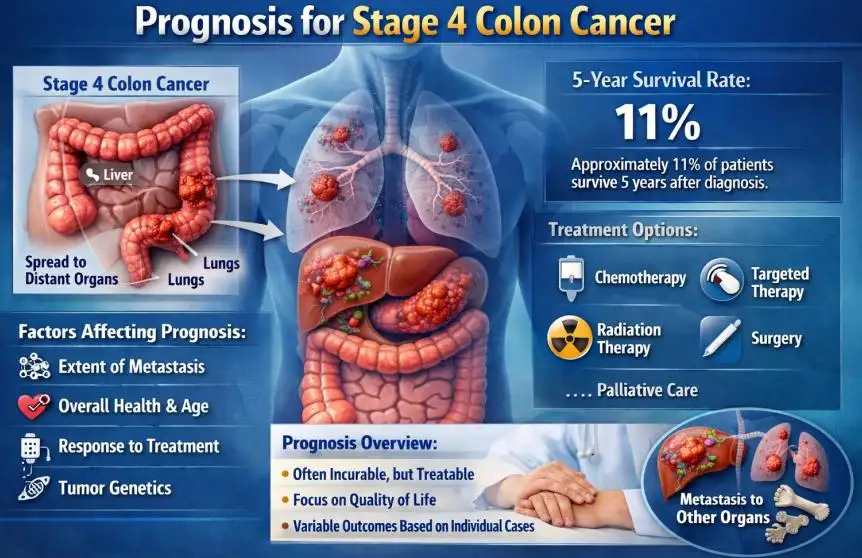
| Metastatic Colon Cancer | Cancer spreads to distant organs (e.g., liver, bones) | Higher likelihood of chronic back pain |
| Adenocarcinoma | Most common cell type | Pain depends on tumor size and spread |
Causes and Risk Factors
Lower back pain associated with colon cancer is not caused by the spine itself but by tumor growth or cancer spread. Several factors increase the risk of developing colon cancer.
Common causes linking lower back pain and colon cancer include:
-
Tumor pressure on nerves or surrounding tissues
-
Inflammation in the abdominal or pelvic region
-
Cancer metastasis to the spine or bones
Key risk factors for colon cancer:
-
Age over 50
-
Family history of colorectal cancer
-
Inflammatory bowel disease (Crohn’s disease or ulcerative colitis)
-
Diet high in red or processed meats
-
Obesity and physical inactivity
-
Smoking and excessive alcohol consumption
Symptoms and Early Warning Signs
Lower back pain alone is rarely the first symptom of colon cancer. However, when combined with other signs, it should not be ignored.
Early symptoms may include:
-
Changes in bowel habits (diarrhea or constipation)
-
Blood in stool or dark-colored stools
-
Abdominal pain or cramping
-
Unexplained weight loss
-
Persistent fatigue
Advanced symptoms linking lower back pain colon cancer include:
-
Chronic or worsening lower back pain
-
Pain that does not improve with rest or physical therapy
-
Bloating or a feeling of incomplete bowel emptying
-
Anemia-related weakness or dizziness
Diagnosis
Diagnosing colon cancer requires a combination of clinical evaluation, imaging, and laboratory tests. When lower back pain is present, doctors aim to rule out musculoskeletal causes while assessing gastrointestinal health.
Common diagnostic methods include:
-
Colonoscopy with biopsy
-
CT scans or MRI to assess tumor spread
-
Blood tests (including anemia markers)
-
Stool-based screening tests
Early diagnosis significantly improves outcomes, making routine screening essential even in the absence of symptoms.
Treatment Options
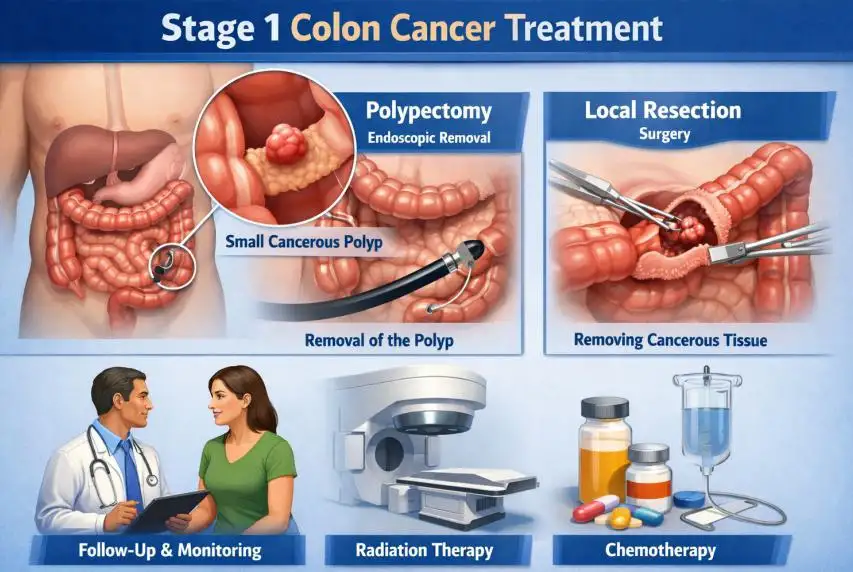
Treatment for colon cancer depends on the stage, location, and overall health of the patient. Addressing lower back pain colon cancer often requires treating the cancer itself alongside pain management.
| Treatment Option | Purpose |
|---|---|
| Surgery | Removes cancerous tissue |
| Chemotherapy | Destroys remaining cancer cells |
| Radiation Therapy | Shrinks tumors causing nerve pressure |
| Targeted Therapy | Attacks specific cancer cell pathways |
| Pain Management | Improves comfort and quality of life |
Prevention and Lifestyle Recommendations
While not all cases are preventable, lifestyle choices can significantly reduce the risk of colon cancer.
Preventive measures include:
-
Regular colon cancer screening
-
High-fiber diet rich in fruits and vegetables
-
Limiting red and processed meats
-
Maintaining a healthy weight
-
Regular physical activity
-
Avoiding smoking and excessive alcohol intake
Listening to your body and seeking medical advice for persistent symptoms is a critical part of prevention.
Prognosis and Survival Rates
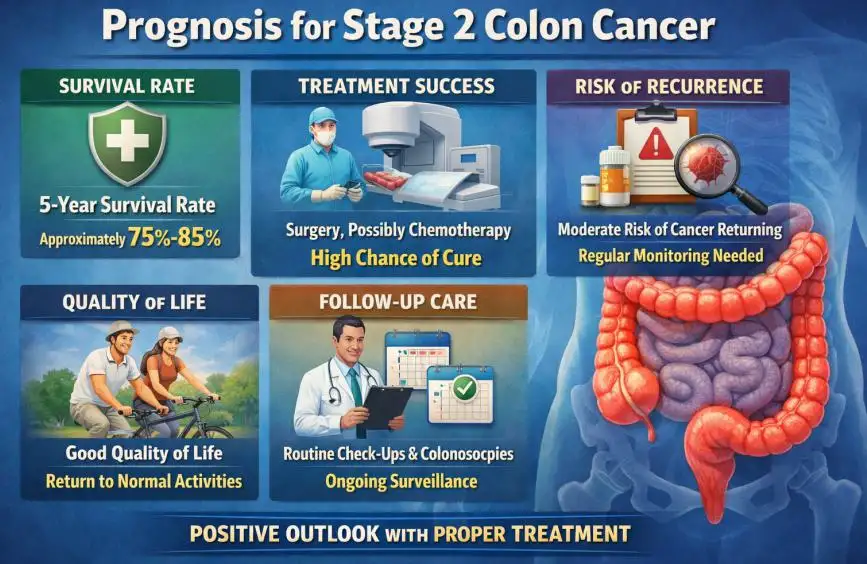
The prognosis of colon cancer largely depends on how early it is detected. When lower back pain appears, it often suggests a more advanced stage, but outcomes vary widely.
| Stage | Approximate 5-Year Survival Rate |
|---|---|
| Localized | Around 90% |
| Regional | Around 70% |
| Distant (Metastatic) | Around 15% |
Early screening dramatically improves survival, underscoring the importance of awareness.
Latest Research and Innovations
Advances in medical research continue to improve outcomes for colon cancer patients. Innovations include:
-
Precision medicine based on genetic profiling
-
Improved imaging techniques for early detection
-
Immunotherapy approaches for advanced disease
-
Less invasive surgical methods
Ongoing studies aim to better understand pain patterns, including the link between lower back pain colon cancer, to enable faster diagnosis.
Coping and Support for Patients
A colon cancer diagnosis can be emotionally and physically challenging. Support systems play a vital role in recovery.
Helpful coping strategies include:
-
Counseling or therapy for emotional well-being
-
Support groups for shared experiences
-
Pain management programs
-
Nutritional counseling
-
Open communication with healthcare providers
Addressing both physical symptoms and emotional health leads to better overall outcomes.
Conclusion
Lower back pain is common and usually benign, but when persistent and accompanied by digestive symptoms, it may warrant further investigation. The connection between lower back pain colon cancer highlights the importance of early screening, symptom awareness, and proactive healthcare decisions. By understanding the risks, recognizing warning signs, and adopting healthy lifestyle habits, individuals can significantly improve their chances of early detection and successful treatment.
FAQ
1. Can lower back pain be the first sign of colon cancer?
It is uncommon. Lower back pain usually appears in more advanced stages and often alongside other symptoms.
2. How can I tell if my back pain is related to colon cancer?
Back pain linked to colon cancer is often persistent and accompanied by bowel changes, weight loss, or fatigue.
3. Does colon cancer always cause pain?
No. Early-stage colon cancer often has no symptoms, which is why screening is essential.
4. When should I see a doctor for lower back pain?
If back pain lasts several weeks, worsens, or occurs with digestive symptoms, seek medical evaluation.
5. Can treating colon cancer relieve lower back pain?
Yes. Treating the underlying cancer often reduces pain caused by tumor pressure or inflammation.