Stage 3 Colon Cancer Treatment: Complete Guide to Options, Survival, and Recovery

Stage 3 colon cancer treatment plays a critical role in improving survival and preventing the spread of cancer to other parts of the body. At this stage, cancer has spread to nearby lymph nodes but has not yet reached distant organs, making timely and effective treatment essential. Understanding your options can empower you or your loved ones to make informed decisions and approach treatment with confidence.
In this comprehensive guide, we will walk you through everything you need to know about stage 3 colon cancer treatment, from diagnosis and treatment strategies to lifestyle recommendations and the latest research advancements. Whether you are newly diagnosed or supporting someone through their journey, this article is designed to provide clarity, hope, and actionable insights.
Overview
Stage 3 colon cancer is characterized by the spread of cancer cells from the colon to nearby lymph nodes. It is further divided into sub-stages (IIIA, IIIB, and IIIC), depending on how deeply the tumor has penetrated the colon wall and how many lymph nodes are involved.
The primary goal of stage 3 colon cancer treatment is to remove the tumor, eliminate remaining cancer cells, and reduce the risk of recurrence. Treatment typically involves a combination of surgery and chemotherapy.
Types of Stage 3 Colon Cancer
Stage 3 colon cancer is classified into three subtypes:
| Substage | Description |
|---|---|
| Stage IIIA | Cancer has spread to 1–3 lymph nodes but is still relatively shallow in the colon wall |
| Stage IIIB | Cancer has grown deeper into the colon wall and spread to nearby lymph nodes |
| Stage IIIC | Cancer has spread extensively to multiple lymph nodes and possibly nearby tissues |
Understanding the subtype helps doctors determine the most effective stage 3 colon cancer treatment plan.
Causes and Risk Factors
While the exact cause of colon cancer is not always clear, several risk factors increase the likelihood of developing the disease:
-
Age over 50
-
Family history of colorectal cancer
-
Genetic conditions (e.g., Lynch syndrome)
-
Diet high in red or processed meats
-
Low fiber intake
-
Obesity and sedentary lifestyle
-
Smoking and excessive alcohol consumption
-
History of inflammatory bowel disease (IBD)
Being aware of these risk factors allows for early screening and preventive action.
Symptoms and Early Warning Signs
Symptoms of stage 3 colon cancer may vary but often include:
-
Persistent changes in bowel habits (diarrhea or constipation)
-
Blood in stool or rectal bleeding
-
Abdominal pain or cramping
-
Fatigue or weakness
-
Unexplained weight loss
-
Feeling that the bowel does not empty completely
If you experience any of these symptoms, it’s important to seek medical attention promptly.
Diagnosis
Accurate diagnosis is essential for planning stage 3 colon cancer treatment. Common diagnostic methods include:
| Test | Purpose |
|---|---|
| Colonoscopy | Visualizes the colon and allows biopsy |
| CT Scan | Detects spread to lymph nodes or organs |
| MRI | Provides detailed imaging of soft tissues |
| Blood Tests | Checks for tumor markers like CEA |
| Biopsy | Confirms the presence of cancer cells |
Early and precise diagnosis leads to more effective treatment outcomes.
Treatment Options
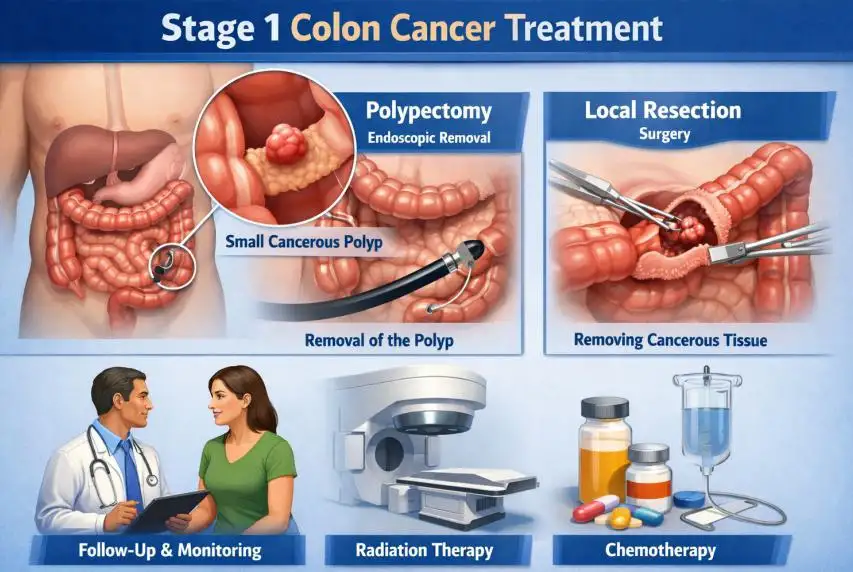
Stage 3 colon cancer treatment usually involves a combination of therapies:
1. Surgery
Surgery is the primary treatment and involves removing the tumor and nearby lymph nodes. This procedure is called a colectomy.
2. Chemotherapy
Chemotherapy is typically administered after surgery (adjuvant chemotherapy) to destroy any remaining cancer cells and reduce recurrence risk.
Common chemotherapy regimens include:
-
FOLFOX (5-FU, leucovorin, oxaliplatin)
-
CAPOX (capecitabine and oxaliplatin)
3. Targeted Therapy
In some cases, targeted drugs may be used to attack specific cancer cell mechanisms.
4. Immunotherapy
Although more commonly used in advanced stages, immunotherapy may benefit patients with certain genetic markers.
| Treatment Type | Purpose |
|---|---|
| Surgery | Removes tumor and affected lymph nodes |
| Chemotherapy | Kills remaining cancer cells |
| Targeted Therapy | Targets specific cancer pathways |
| Immunotherapy | Boosts immune response against cancer |
Your treatment plan will depend on your overall health, cancer subtype, and genetic factors.
Prevention and Lifestyle Recommendations
While not all cases can be prevented, certain lifestyle changes can reduce risk and support recovery:
-
Eat a high-fiber diet rich in fruits and vegetables
-
Limit red and processed meats
-
Exercise regularly
-
Maintain a healthy weight
-
Avoid smoking and limit alcohol
-
Schedule regular screenings
Adopting these habits can improve overall health and reduce the chances of recurrence.
Prognosis and Survival Rates
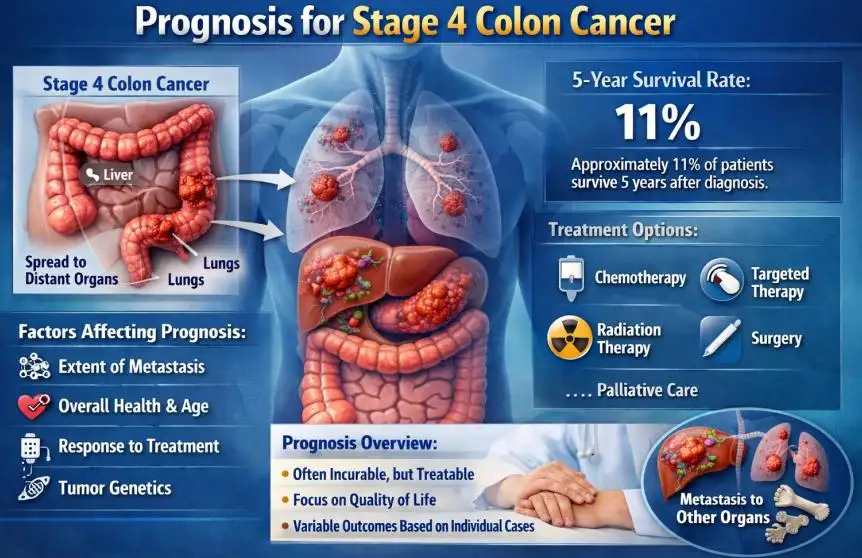
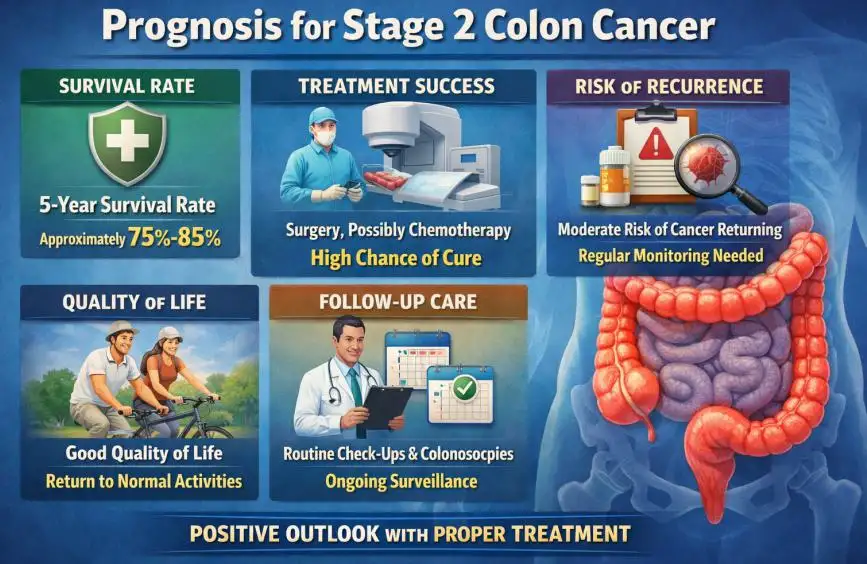
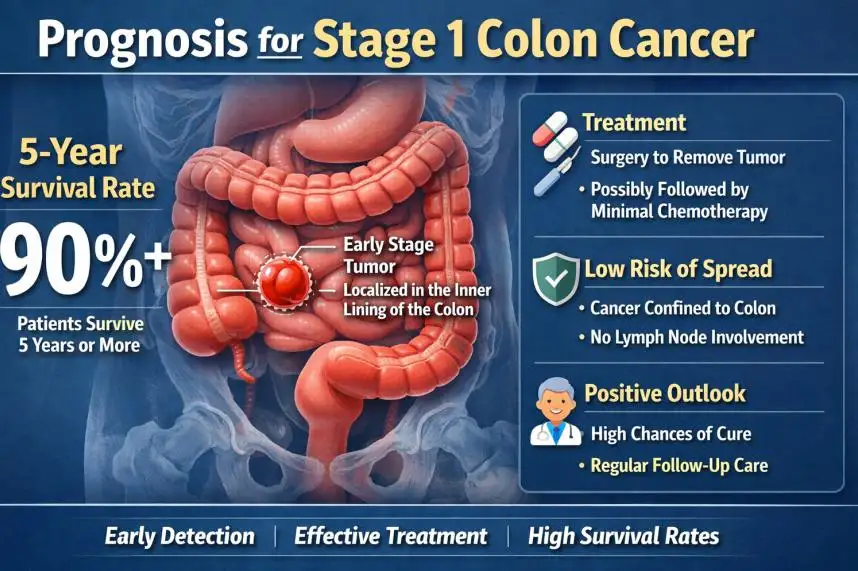
The prognosis for stage 3 colon cancer varies depending on the substage and response to treatment.
| Substage | 5-Year Survival Rate |
|---|---|
| Stage IIIA | ~90% |
| Stage IIIB | ~70–80% |
| Stage IIIC | ~50–60% |
With modern stage 3 colon cancer treatment, survival rates have significantly improved, especially with early intervention and adherence to treatment plans.
Latest Research and Innovations
Advancements in cancer treatment continue to improve outcomes:
-
Personalized medicine based on genetic profiling
-
New chemotherapy combinations with fewer side effects
-
Advances in immunotherapy for specific tumor types
-
Liquid biopsies for early detection of recurrence
-
AI-assisted diagnostics for more accurate staging
These innovations are shaping the future of stage 3 colon cancer treatment and offering new hope to patients.
Coping and Support for Patients
A cancer diagnosis can be emotionally and physically challenging. Support is crucial throughout the journey.
Consider the following:
-
Join cancer support groups
-
Seek counseling or therapy
-
Stay connected with family and friends
-
Work with a nutritionist for a balanced diet
-
Practice stress management techniques like meditation
You are not alone, building a strong support system can make a significant difference in your recovery.
Conclusion
Stage 3 colon cancer treatment requires a comprehensive and personalized approach. With a combination of surgery, chemotherapy, and supportive care, many patients achieve successful outcomes. Early diagnosis, adherence to treatment, and a healthy lifestyle are key factors in improving survival and quality of life.
By staying informed and proactive, you can take control of your health journey and face stage 3 colon cancer with strength and confidence.
FAQ
1. What is the standard treatment for stage 3 colon cancer?
The standard stage 3 colon cancer treatment includes surgery followed by chemotherapy to reduce the risk of recurrence.
2. Can stage 3 colon cancer be cured?
Yes, many cases of stage 3 colon cancer can be cured, especially with early and effective treatment.
3. How long does chemotherapy last?
Chemotherapy typically lasts 3 to 6 months, depending on the treatment regimen.
4. What are the side effects of treatment?
Common side effects include fatigue, nausea, hair loss, and increased risk of infection, but these vary by individual.
5. How often should follow-up screenings be done?
Follow-up care usually includes regular check-ups, imaging, and colonoscopies every few years to monitor for recurrence.