First Symptoms of Pancreatic Cancer: Early Warning Signs, Diagnosis, and Treatment Guide

Pancreatic cancer is one of the most challenging cancers to detect early, mainly because its initial signs are often subtle and easily mistaken for common digestive problems. Understanding the first symptoms of pancreatic cancer can play a crucial role in early diagnosis, timely treatment, and improved outcomes. Many patients only seek medical help when the disease has progressed, making awareness even more important.
This article provides a complete, well-structured, and guide to help you recognize the first symptoms of pancreatic cancer, understand its causes, diagnostic process, treatment options, and the latest research developments. Whether you are looking for information for yourself or a loved one, this guide is designed to inform, educate, and empower you.
Overview
Pancreatic cancer develops in the pancreas, an organ located behind the stomach that plays a vital role in digestion and blood sugar regulation. Because the pancreas is deep within the abdomen, early tumors often do not cause noticeable symptoms.
Recognizing the first symptoms of pancreatic cancer can be difficult, but early signs often relate to digestion, unexplained pain, or metabolic changes. Early detection remains a key factor in improving survival rates.
Types of Pancreatic Cancer
Pancreatic cancer is classified based on the type of cells affected.
| Type | Description |
|---|---|
| Exocrine tumors | The most common type, including pancreatic ductal adenocarcinoma |
| Endocrine tumors | Rare tumors that affect hormone-producing cells |
| Neuroendocrine tumors (NETs) | Slower-growing cancers with different symptoms and prognosis |
Understanding the type of pancreatic cancer helps guide treatment decisions and prognosis.
Causes and Risk Factors
While the exact cause of pancreatic cancer is not always known, several risk factors increase the likelihood of developing the disease.
| Risk Factor | Explanation |
|---|---|
| Smoking | One of the strongest risk factors |
| Chronic pancreatitis | Long-term inflammation of the pancreas |
| Diabetes | Especially new-onset diabetes in older adults |
| Family history | Genetic predisposition |
| Obesity | Linked to increased cancer risk |
| Age | Risk increases after age 60 |
Awareness of these factors can prompt earlier medical evaluation when the first symptoms of pancreatic cancer appear.
Symptoms and Early Warning Signs
The first symptoms of pancreatic cancer are often vague and may include:
| Early Symptoms | Description |
|---|---|
| Abdominal or back pain | Dull or persistent discomfort |
| Unexplained weight loss | Occurs without changes in diet or activity |
| Loss of appetite | Reduced interest in food |
| Digestive issues | Bloating, nausea, or fatty stools |
| Jaundice | Yellowing of skin and eyes due to bile duct blockage |
| New-onset diabetes | Sudden blood sugar changes |
If these symptoms persist or worsen, seeking medical advice is essential.
Diagnosis
Diagnosing pancreatic cancer involves multiple tests and imaging techniques.
| Diagnostic Method | Purpose |
|---|---|
| Blood tests | Check liver function and tumor markers |
| CT scan or MRI | Visualize tumors and spread |
| Endoscopic ultrasound (EUS) | Detailed imaging and biopsy |
| Biopsy | Confirms cancer diagnosis |
Early evaluation when noticing the first symptoms of pancreatic cancer can significantly impact treatment options.
Treatment Options
Treatment depends on the stage, type, and overall health of the patient.
| Treatment | Description |
|---|---|
| Surgery | Removes tumors when cancer is localized |
| Chemotherapy | Destroys cancer cells or slows growth |
| Radiation therapy | Targets cancer cells with high-energy rays |
| Targeted therapy | Focuses on specific cancer cell mechanisms |
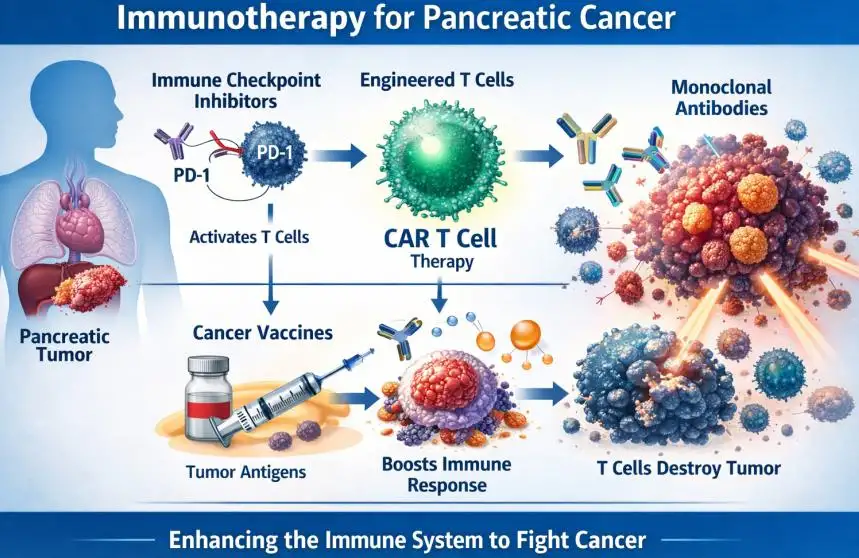
| Immunotherapy | Enhances the immune response against cancer |
A multidisciplinary approach often provides the best outcomes.
Prevention and Lifestyle Recommendations
While not all cases are preventable, healthy lifestyle choices may reduce risk.
| Recommendation | Benefit |
|---|---|
| Quit smoking | Significantly lowers risk |
| Maintain healthy weight | Reduces inflammation |
| Balanced diet | Supports digestive health |
| Regular exercise | Improves metabolic function |
| Manage diabetes | Reduces pancreatic stress |
Being proactive about health can help identify the first symptoms of pancreatic cancer sooner.
Prognosis and Survival Rates
Prognosis depends largely on how early the cancer is detected.
| Stage | General Survival Outlook |
|---|---|
| Localized | Higher survival with surgery |
| Regional spread | Moderate survival rates |
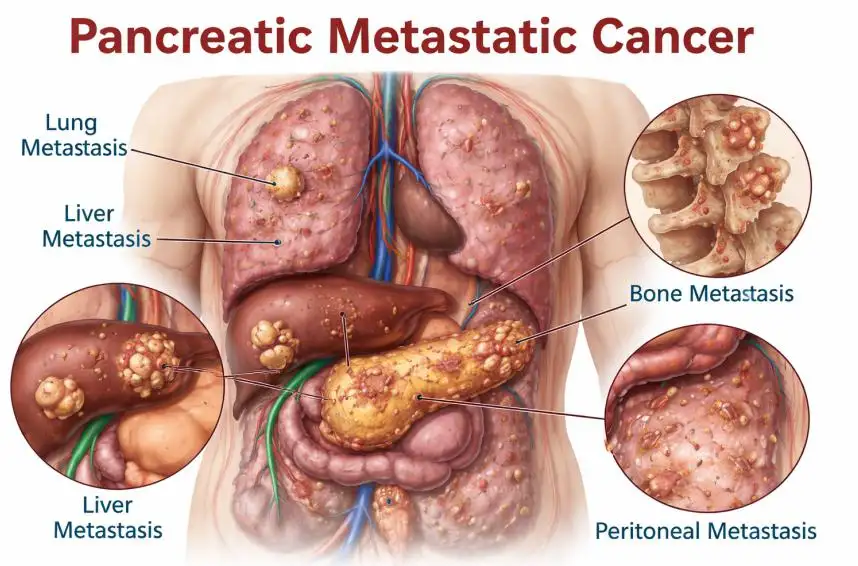
| Advanced | Lower survival, focus on quality of life |
Early recognition of the first symptoms of pancreatic cancer is closely linked to better survival rates.
Latest Research and Innovations
Medical research continues to improve pancreatic cancer outcomes.
| Innovation | Description |
|---|---|
| Early detection biomarkers | Blood tests for earlier diagnosis |
| Precision medicine | Personalized treatment plans |
| Advanced imaging | Better tumor detection |
| Combination therapies | Improved effectiveness |
These advancements offer new hope for patients and families.
Coping and Support for Patients
A pancreatic cancer diagnosis can be emotionally and physically challenging.
| Support Option | Purpose |
|---|---|
| Counseling | Emotional and mental support |
| Support groups | Shared experiences and encouragement |
| Nutritional guidance | Maintain strength and weight |
| Palliative care | Symptom relief and comfort |
Strong support systems help patients navigate treatment and recovery.
Conclusion
Understanding the first symptoms of pancreatic cancer is a vital step toward early diagnosis and improved treatment outcomes. Although symptoms may seem mild at first, persistent changes in digestion, weight, or pain should never be ignored. Early medical consultation can make a meaningful difference.
By staying informed, managing risk factors, and paying attention to your body, you can take proactive steps toward better pancreatic health and overall well-being.
FAQ
1. What are the first symptoms of pancreatic cancer?
Early symptoms may include abdominal pain, unexplained weight loss, digestive problems, jaundice, and new-onset diabetes.
2. Are the first symptoms of pancreatic cancer easy to miss?
Yes, they are often subtle and resemble common digestive issues, which can delay diagnosis.
3. When should I see a doctor?
If symptoms persist for several weeks or worsen, medical evaluation is strongly recommended.
4. Can pancreatic cancer be detected early?
Early detection is challenging but improving with new diagnostic tools and increased awareness.
5. Is pancreatic cancer preventable?
Not entirely, but reducing risk factors like smoking and obesity may lower the risk.