Pancreatic Metastatic Cancer: Symptoms, Treatment Options, Prognosis, and Latest Advances
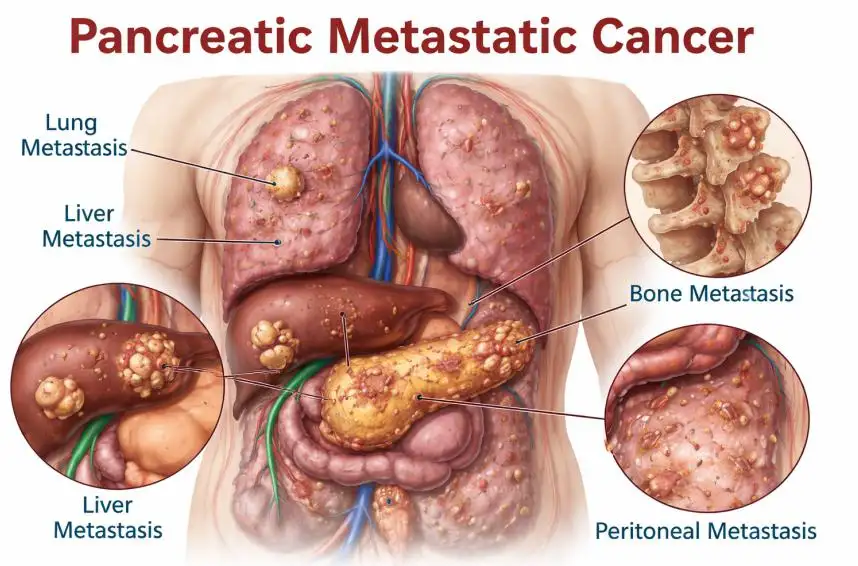
Pancreatic metastatic cancer is one of the most challenging and aggressive forms of cancer, often diagnosed at an advanced stage. This condition occurs when pancreatic cancer cells spread from the pancreas to other parts of the body, such as the liver, lungs, or peritoneum. Because early symptoms are often vague or absent, many patients are unaware of the disease until it has progressed significantly.
Understanding pancreatic metastatic cancer is crucial for patients, caregivers, and anyone seeking reliable medical information. In this article, we will explore the disease in depth, from its causes and symptoms to diagnosis, treatment options, prognosis, and the latest research, using clear, professional, and patient-focused language to help you navigate this complex condition.
Overview of Pancreatic Metastatic Cancer
Pancreatic metastatic cancer refers to pancreatic cancer that has reached stage IV, meaning it has spread beyond the pancreas to distant organs. The pancreas plays a vital role in digestion and blood sugar regulation, which makes cancer in this organ particularly impactful on overall health.
Most pancreatic cancers originate as pancreatic ductal adenocarcinoma (PDAC). Once metastasis occurs, the disease becomes more difficult to treat, and therapy is primarily focused on controlling cancer growth, relieving symptoms, and improving quality of life rather than achieving a cure.
Types of Pancreatic Metastatic Cancer
Pancreatic cancer can be classified based on the type of cells involved. Understanding the type helps guide treatment decisions.
| Type of Pancreatic Cancer | Description | Likelihood of Metastasis |
|---|---|---|
| Pancreatic Ductal Adenocarcinoma (PDAC) | Arises from pancreatic ducts; most common type | Very high |
| Neuroendocrine Tumors (NETs) | Develop from hormone-producing cells | Variable, often slower |
| Acinar Cell Carcinoma | Rare, originates from enzyme-producing cells | Moderate |
| Mucinous Cystic Neoplasms (advanced cases) | Cystic tumors that may become malignant | Lower but possible |
Causes and Risk Factors
The exact cause of pancreatic metastatic cancer is not fully understood, but several risk factors are strongly associated with its development and progression.
Common causes and risk factors include:
-
Smoking and long-term tobacco use
-
Chronic pancreatitis
-
Type 2 diabetes, especially new-onset diabetes in older adults
-
Obesity and poor dietary habits
-
Genetic mutations such as BRCA1 and BRCA2
-
Family history of pancreatic cancer
-
Advanced age, typically over 60
When cancer is left undetected or untreated in its early stages, it has a higher likelihood of spreading to other organs.
Symptoms and Early Warning Signs
Early-stage pancreatic cancer often causes no noticeable symptoms. However, once the cancer becomes metastatic, symptoms tend to be more pronounced.
| Common Symptoms | Possible Indications |
|---|---|
| Persistent abdominal or back pain | Tumor pressure or nerve involvement |
| Jaundice (yellowing of skin and eyes) | Bile duct obstruction |
| Unexplained weight loss | Metabolic changes and poor appetite |
| Fatigue and weakness | Advanced disease progression |
| Loss of appetite or nausea | Digestive enzyme disruption |
| Ascites (fluid in abdomen) | Peritoneal metastasis |
If these symptoms persist or worsen, prompt medical evaluation is essential.
Diagnosis
Diagnosing pancreatic metastatic cancer involves a combination of imaging, laboratory tests, and biopsy procedures.
Common diagnostic methods include:
-
CT scan or MRI to identify tumor size and spread
-
PET scan to detect distant metastases
-
Endoscopic ultrasound (EUS) with biopsy
-
Blood tests, including CA 19-9 tumor marker levels
-
Liver function tests if liver metastasis is suspected
Accurate staging is critical to determining the most appropriate treatment plan.
Treatment Options
Treatment for pancreatic metastatic cancer focuses on extending survival, slowing disease progression, and maintaining quality of life.
| Treatment Option | Purpose |
|---|---|
| Chemotherapy (e.g., FOLFIRINOX, Gemcitabine-based regimens) | Primary systemic treatment |
| Targeted therapy | Attacks specific genetic mutations |
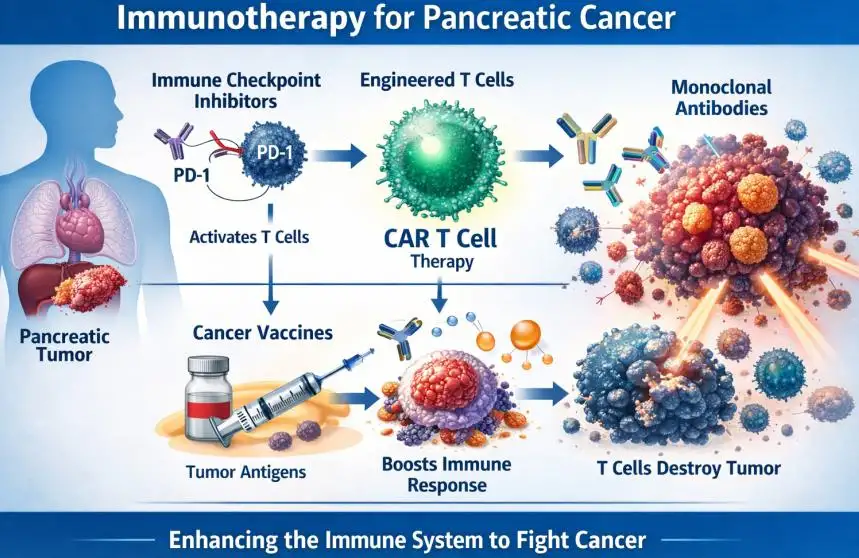
| Immunotherapy (select cases) | Enhances immune response |
| Radiation therapy | Pain and symptom control |
| Palliative care | Symptom relief and supportive care |
Surgery is rarely an option at this stage, but treatment is often personalized based on the patient’s health and tumor biology.
Prevention and Lifestyle Recommendations
While pancreatic metastatic cancer cannot always be prevented, certain lifestyle changes may reduce overall risk and support better health during treatment.
Key recommendations include:
-
Avoid smoking and excessive alcohol consumption
-
Maintain a healthy weight and balanced diet
-
Manage diabetes and chronic pancreatitis effectively
-
Engage in regular physical activity as tolerated
-
Seek genetic counseling if there is a strong family history
For patients already diagnosed, nutrition support and physical activity can improve strength and well-being.
Prognosis and Survival Rates
The prognosis for pancreatic metastatic cancer is generally poor compared to many other cancers, largely due to late diagnosis and aggressive tumor behavior.
| Metric | Estimated Outcome |
|---|---|
| Median survival | 6–11 months |
| 1-year survival rate | Approximately 20% |
| 5-year survival rate | Less than 5% |
Advances in treatment are gradually improving outcomes, and some patients respond well to modern combination therapies.
Latest Research and Innovations
Research into pancreatic metastatic cancer is evolving rapidly, offering hope for better outcomes in the future.
Promising areas of innovation include:
-
Precision medicine based on genetic profiling
-
PARP inhibitors for BRCA-mutated tumors
-
Personalized immunotherapy approaches
-
Improved drug delivery systems
-
AI-assisted imaging for earlier detection
Clinical trials continue to play a vital role in expanding treatment possibilities.
Coping and Support for Patients
A diagnosis of pancreatic metastatic cancer can be emotionally overwhelming. Psychological and social support is just as important as medical treatment.
Helpful support strategies include:
-
Palliative care services for symptom management
-
Counseling or therapy for emotional well-being
-
Support groups for patients and caregivers
-
Open communication with healthcare teams
-
Advance care planning for peace of mind
No one should face this journey alone, and support resources can make a meaningful difference.
Conclusion
Pancreatic metastatic cancer is a serious and complex condition that requires a comprehensive, compassionate approach to care. While the disease remains difficult to treat, advances in medical research, personalized therapies, and supportive care are offering patients more options and improved quality of life. Early awareness, informed decision-making, and strong support systems can help patients and families navigate this challenging diagnosis with clarity and dignity.
FAQ
1. What is pancreatic metastatic cancer?
It is pancreatic cancer that has spread to distant organs such as the liver, lungs, or abdomen.
2. Can pancreatic metastatic cancer be cured?
Currently, it is not considered curable, but treatments can help control the disease and improve quality of life.
3. How fast does pancreatic cancer spread?
Pancreatic cancer is known for its aggressive nature and can spread rapidly, often before symptoms appear.
4. What is the best treatment for metastatic pancreatic cancer?
Systemic chemotherapy is the standard treatment, sometimes combined with targeted or immunotherapy in select cases.
5. Is pancreatic metastatic cancer always fatal?
While it has a low survival rate, outcomes vary. Some patients respond well to treatment and live longer than expected.