Immunotherapy for the Treatment of Pancreatic Cancer: Latest Advances, Benefits, and Future Hope
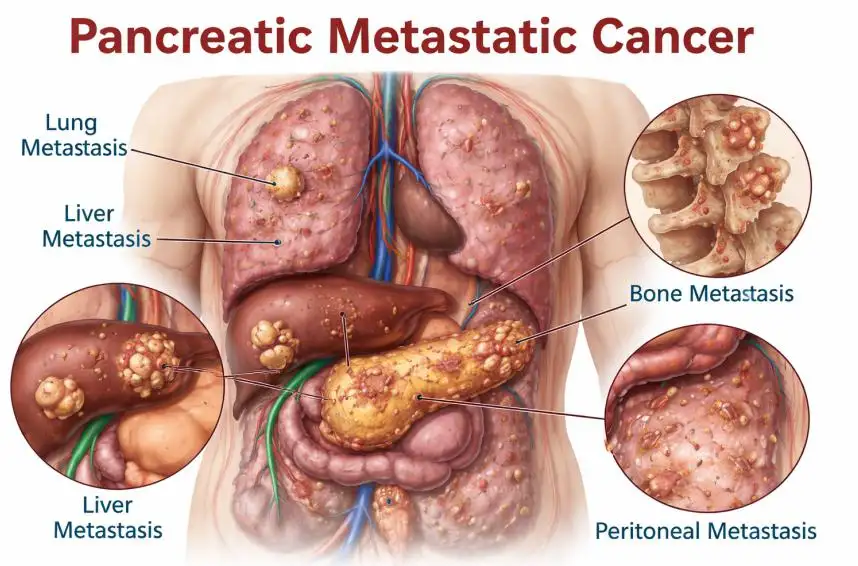
Pancreatic cancer is one of the most challenging cancers to treat, often diagnosed at an advanced stage and associated with a low survival rate. For decades, surgery, chemotherapy, and radiation therapy have been the main treatment options. However, advances in medical science have opened the door to new approaches, including immunotherapy for the treatment of pancreatic cancer, which aims to harness the body’s own immune system to fight cancer cells.
In recent years, immunotherapy has shown remarkable success in several cancer types, raising hope for pancreatic cancer patients as well. While its effectiveness in pancreatic cancer is still evolving, ongoing research, clinical trials, and combination strategies are steadily improving outcomes. This article provides a comprehensive, guide to immunotherapy for the treatment of pancreatic cancer, covering mechanisms, benefits, risks, and future prospects.
Overview of Immunotherapy for the Treatment of Pancreatic Cancer
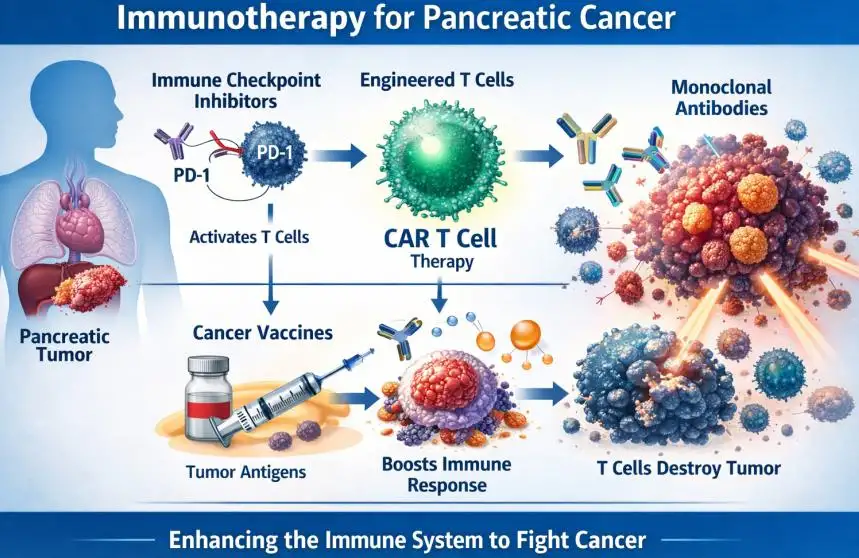
Immunotherapy for the treatment of pancreatic cancer works by stimulating or restoring the immune system’s ability to recognize and destroy cancer cells. Unlike chemotherapy, which directly kills rapidly dividing cells, immunotherapy targets immune pathways, making it a more personalized and potentially long-lasting treatment.
Pancreatic tumors are known for their immunosuppressive microenvironment, which makes them harder to attack using immune-based therapies. As a result, immunotherapy is often combined with other treatments to enhance effectiveness.
Types of Immunotherapy Used in Pancreatic Cancer
Several types of immunotherapy are currently being studied or used for pancreatic cancer, either in approved settings or clinical trials.
| Type of Immunotherapy | How It Works | Current Status |
|---|---|---|
| Immune Checkpoint Inhibitors | Block proteins that prevent immune cells from attacking cancer | Limited benefit alone; better in selected patients |
| Cancer Vaccines | Train the immune system to recognize tumor-specific antigens | Mostly in clinical trials |
| Adoptive Cell Therapy | Uses modified immune cells such as T-cells to target cancer | Experimental |
| Monoclonal Antibodies | Target specific cancer-related proteins | Used in combination strategies |
| Oncolytic Virus Therapy | Viruses selectively infect and destroy cancer cells while activating immunity | Early-stage trials |
Causes and Risk Factors of Pancreatic Cancer
Understanding the causes and risk factors is essential for early detection and prevention.
Common risk factors include:
-
Smoking and tobacco use
-
Chronic pancreatitis
-
Type 2 diabetes
-
Obesity and poor diet
-
Family history and genetic mutations (such as BRCA1/BRCA2)
-
Advanced age
These factors contribute to cellular mutations that can eventually lead to pancreatic cancer.
Symptoms and Early Warning Signs
Pancreatic cancer often develops silently, making early diagnosis difficult. Common symptoms include:
-
Persistent abdominal or back pain
-
Unexplained weight loss
-
Jaundice (yellowing of skin and eyes)
-
Loss of appetite
-
Fatigue
-
Digestive problems
Early warning signs are often vague, which is why high-risk individuals should undergo regular medical evaluation.
Diagnosis of Pancreatic Cancer
Accurate diagnosis is critical before initiating immunotherapy for the treatment of pancreatic cancer.
| Diagnostic Method | Purpose |
|---|---|
| Imaging Tests (CT, MRI, PET) | Detect tumor location and spread |
| Endoscopic Ultrasound (EUS) | Obtain tissue samples |
| Biopsy | Confirm cancer type |
| Blood Tests (CA 19-9) | Monitor tumor markers |
| Genetic Testing | Identify mutations relevant to immunotherapy |
Treatment Options Including Immunotherapy
Treatment plans are personalized based on cancer stage, overall health, and genetic factors.
| Treatment Option | Role in Pancreatic Cancer |
|---|---|
| Surgery | Potential cure in early-stage disease |
| Chemotherapy | Shrinks tumors and controls spread |
| Radiation Therapy | Targets localized cancer cells |
| Immunotherapy | Enhances immune response |
| Combination Therapy | Improves effectiveness of immunotherapy |
Immunotherapy for the treatment of pancreatic cancer is often most effective when combined with chemotherapy or targeted therapy.
Prevention and Lifestyle Recommendations
Although not all cases can be prevented, certain lifestyle changes can reduce risk:
-
Quit smoking
-
Maintain a healthy weight
-
Eat a balanced diet rich in fruits and vegetables
-
Exercise regularly
-
Manage diabetes effectively
-
Undergo genetic counseling if there is a family history
Healthy lifestyle choices can also improve treatment tolerance and quality of life.
Prognosis and Survival Rates
Pancreatic cancer prognosis remains challenging, but immunotherapy is gradually improving outcomes for selected patients.
| Stage | Approximate 5-Year Survival Rate |
|---|---|
| Localized | 40% |
| Regional | 15% |
| Metastatic | 3–5% |
Patients who respond well to immunotherapy may experience longer-lasting disease control compared to traditional treatments.
Latest Research and Innovations
Ongoing research is transforming immunotherapy for the treatment of pancreatic cancer. Key innovations include:
-
Personalized cancer vaccines
-
Biomarker-driven patient selection
-
Combination of immunotherapy with chemotherapy and radiation
-
Targeting the tumor microenvironment
-
AI-assisted drug discovery
Clinical trials worldwide continue to explore new strategies to improve response rates.
Coping and Support for Patients
Living with pancreatic cancer can be emotionally and physically overwhelming. Support systems play a vital role in patient well-being:
-
Oncology counseling and psychological support
-
Patient support groups
-
Nutritional guidance
-
Palliative care for symptom management
-
Family and caregiver education
A holistic approach ensures better quality of life throughout treatment.
Conclusion
Immunotherapy for the treatment of pancreatic cancer represents a promising frontier in oncology. While challenges remain, advances in research, combination therapies, and patient selection are steadily improving outcomes. For patients and families, staying informed, seeking expert care, and considering clinical trials can open new possibilities for hope and extended survival.
FAQ
1. Is immunotherapy effective for pancreatic cancer?
Immunotherapy has limited effectiveness alone but shows better results when combined with other treatments in selected patients.
2. Who is eligible for immunotherapy for the treatment of pancreatic cancer?
Eligibility depends on genetic markers, cancer stage, and overall health. A specialist evaluation is required.
3. What are the side effects of immunotherapy?
Common side effects include fatigue, skin reactions, and immune-related inflammation, which are often manageable.
4. Can immunotherapy cure pancreatic cancer?
Currently, it is not considered a standalone cure, but it may significantly extend survival and improve quality of life.
5. Are clinical trials available?
Yes, many clinical trials are ongoing and may provide access to advanced immunotherapy options.