Tarceva Pancreatic Cancer: Uses, Effectiveness, Side Effects, and Latest Research

Pancreatic cancer remains one of the most challenging cancers to treat due to its aggressive nature and the fact that it is often diagnosed at an advanced stage. Over the years, targeted therapies have emerged as an important option alongside surgery, chemotherapy, and radiation. One of the drugs that has drawn attention is Tarceva, especially in specific treatment settings.
Tarceva pancreatic cancer therapy is not a standalone cure, but it has played a meaningful role in extending survival and slowing disease progression for certain patients. In this article, we will explore how Tarceva works, who may benefit from it, its effectiveness, risks, and the latest scientific developments, helping you make more informed decisions or discussions with your healthcare provider.
Overview of Tarceva Pancreatic Cancer Treatment
Tarceva is the brand name for erlotinib, a targeted cancer therapy classified as an EGFR (epidermal growth factor receptor) inhibitor. Unlike traditional chemotherapy that attacks rapidly dividing cells indiscriminately, Tarceva works by blocking specific signals that cancer cells use to grow and divide.
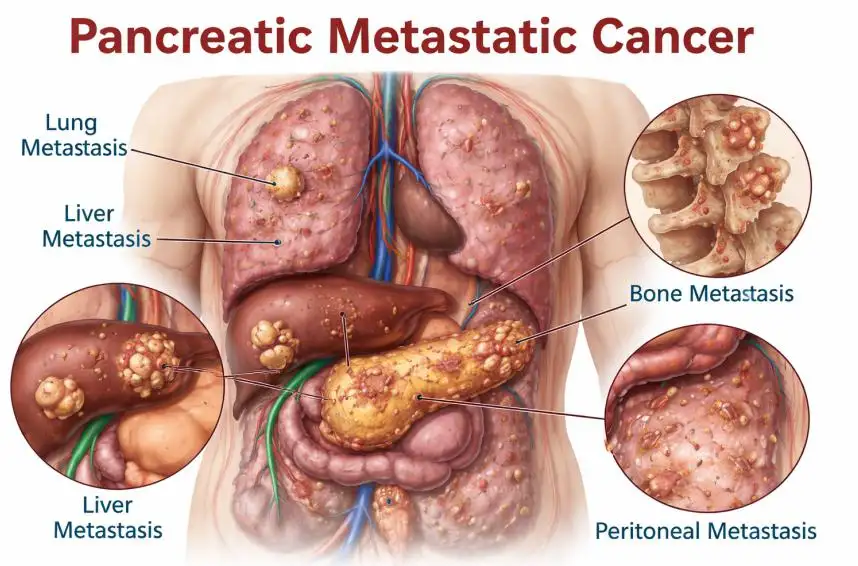
In pancreatic cancer, Tarceva is most commonly used in combination with gemcitabine for advanced or metastatic disease. While the overall survival benefit is modest, clinical studies have shown that it can improve outcomes for select patients when appropriately prescribed.
Key Facts About Tarceva
| Aspect | Details |
|---|---|
| Generic name | Erlotinib |
| Drug class | EGFR tyrosine kinase inhibitor |
| Administration | Oral tablet |
| Common use in pancreatic cancer | Combined with gemcitabine |
| Treatment stage | Advanced or metastatic pancreatic cancer |
Types of Pancreatic Cancer Relevant to Tarceva
Pancreatic cancer is not a single disease, and the effectiveness of Tarceva varies depending on cancer type.
Exocrine Pancreatic Cancer
This is the most common form, accounting for about 90% of cases. Pancreatic ductal adenocarcinoma (PDAC) falls under this category and is the primary type where Tarceva pancreatic cancer treatment has been studied.
Neuroendocrine Pancreatic Tumors
These tumors behave differently and are generally not treated with Tarceva. Other targeted therapies or hormone-based treatments are more commonly used.
Causes and Risk Factors
While Tarceva does not address the cause of pancreatic cancer, understanding risk factors can support early detection and prevention strategies.
Common Risk Factors
-
Smoking (strongly linked to pancreatic cancer)
-
Chronic pancreatitis
-
Diabetes, especially new-onset in older adults
-
Family history and genetic mutations (BRCA1/2, PALB2)
-
Obesity and poor diet
-
Long-term alcohol consumption
Symptoms and Early Warning Signs
Pancreatic cancer symptoms are often subtle in early stages, which contributes to delayed diagnosis.
Possible Warning Signs
-
Persistent abdominal or back pain
-
Jaundice (yellowing of skin and eyes)
-
Unexplained weight loss
-
Loss of appetite
-
Fatigue
-
Digestive problems and pale stools
If symptoms persist or worsen, medical evaluation is critical.
Diagnosis
Accurate diagnosis is essential before initiating Tarceva pancreatic cancer treatment.
Common Diagnostic Methods
-
Imaging tests (CT scan, MRI, PET scan)
-
Endoscopic ultrasound (EUS)
-
Biopsy for histological confirmation
-
Blood tests (CA 19-9 tumor marker)
-
Molecular testing for EGFR-related pathways (in select cases)
Treatment Options
Tarceva is part of a broader pancreatic cancer treatment landscape.
Main Treatment Modalities
| Treatment Option | Purpose |
|---|---|
| Surgery | Potential cure in early-stage disease |
| Chemotherapy | Mainstay treatment for advanced cancer |
| Radiation therapy | Local disease control |
| Targeted therapy (Tarceva) | Inhibits cancer growth signals |
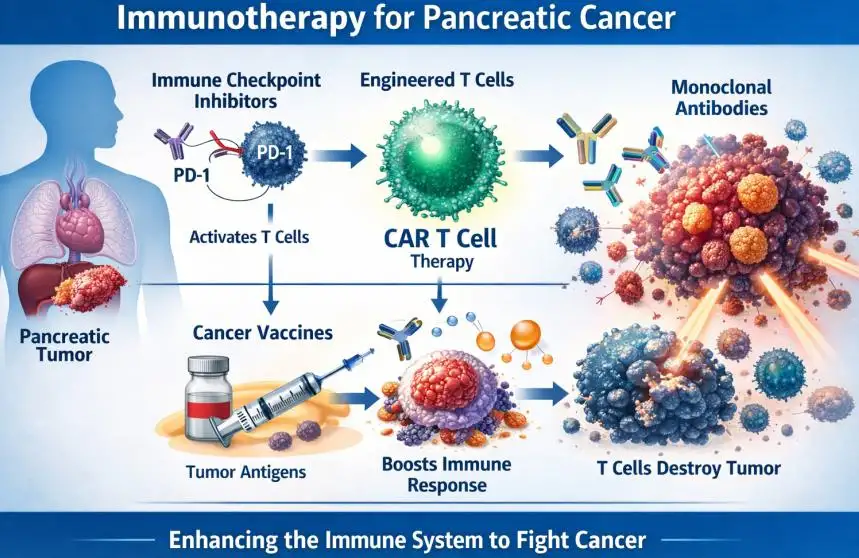
| Immunotherapy | Limited use, mainly in clinical trials |
| Palliative care | Symptom management and quality of life |
How Tarceva Is Used
Tarceva is usually prescribed alongside gemcitabine for patients with advanced pancreatic cancer who are not candidates for surgery.
Prevention and Lifestyle Recommendations
Although Tarceva treats cancer rather than preventing it, lifestyle changes can reduce risk and support overall health during treatment.
Practical Recommendations
-
Quit smoking completely
-
Maintain a healthy body weight
-
Eat a balanced diet rich in fruits, vegetables, and lean protein
-
Limit alcohol intake
-
Manage diabetes and chronic inflammation
-
Stay physically active within medical limits
Prognosis and Survival Rates
Pancreatic cancer prognosis remains poor compared to many other cancers, but treatments like Tarceva pancreatic cancer therapy offer incremental improvements.
Survival Insights
-
Five-year survival rate overall: approximately 12%
-
Advanced-stage disease: median survival often less than one year
-
Tarceva plus gemcitabine: small but statistically significant survival benefit in clinical trials
Individual prognosis varies widely depending on stage, overall health, and treatment response.
Latest Research and Innovations
Research into pancreatic cancer treatment continues rapidly.
Emerging Developments
-
Biomarker-driven targeted therapy
-
Combination regimens with immunotherapy
-
Personalized medicine based on genetic profiling
-
New EGFR inhibitors with improved efficacy
-
Artificial intelligence for early detection and treatment planning
Clinical trials are ongoing to determine whether Tarceva can be more effective when combined with newer therapies.
Coping and Support for Patients
Living with pancreatic cancer is physically and emotionally demanding.
Support Strategies
-
Multidisciplinary medical care
-
Psychological counseling
-
Nutrition support
-
Pain management services
-
Patient support groups
-
Family and caregiver involvement
Open communication with healthcare providers can significantly improve quality of life.
Conclusion
Tarceva pancreatic cancer treatment represents an important step in the evolution of targeted therapy for this aggressive disease. While it is not a cure and benefits are modest, Tarceva offers meaningful hope for select patients when combined with standard chemotherapy. Ongoing research and personalized medicine approaches continue to refine its role, bringing optimism for improved outcomes in the future.
FAQ
1. Is Tarceva effective for all pancreatic cancer patients?
No. Tarceva is mainly used for advanced pancreatic adenocarcinoma and works best in specific clinical contexts.
2. What are the common side effects of Tarceva?
Common side effects include skin rash, diarrhea, fatigue, and loss of appetite. Side effects vary by individual.
3. Can Tarceva cure pancreatic cancer?
Tarceva is not a cure. It is used to slow disease progression and modestly extend survival.
4. Is Tarceva still used today for pancreatic cancer?
Yes, though its use has become more selective as newer treatments and combination therapies emerge.
5. Should I consider clinical trials instead of Tarceva?
Clinical trials can offer access to innovative therapies and should be discussed with an oncologist as part of personalized treatment planning.