Pancreatic Cancer in Young People: Early Signs, Causes, Treatment, and Survival Insights

Pancreatic cancer in young people is often considered rare, but recent data suggests that cases among adults under 50 are gradually increasing. While pancreatic cancer is traditionally associated with older individuals, younger patients can also develop this aggressive disease, sometimes with unique risk factors and clinical characteristics. Understanding how pancreatic cancer affects younger populations is essential for early detection and improved outcomes.
If you are under 50 and experiencing unexplained symptoms such as persistent abdominal pain or sudden weight loss, it’s important not to dismiss them. Early awareness of pancreatic cancer in young people can make a critical difference. In this comprehensive guide, we will explore the types, causes, symptoms, diagnosis, treatment options, and the latest research advancements, helping you make informed health decisions.
Overview of Pancreatic Cancer in Young People
Pancreatic cancer begins in the tissues of the pancreas, an organ located behind the stomach that plays a crucial role in digestion and blood sugar regulation. The most common form is pancreatic ductal adenocarcinoma (PDAC), which develops in the ducts that carry digestive enzymes.
Although the average age of diagnosis is around 70, pancreatic cancer in young adults (typically defined as under 50 years old) accounts for a small but growing percentage of cases. Some studies suggest that early-onset pancreatic cancer may have stronger genetic links compared to cases diagnosed later in life.
Key Differences Between Younger and Older Patients
| Aspect | Young Patients (<50) | Older Patients (≥50) |
|---|---|---|
| Genetic Influence | More common | Less common |
| Family History | Frequently present | Less frequent |
| Comorbidities | Fewer | More common |
| Diagnosis Stage | Often late | Often late |
| Treatment Tolerance | Better overall | May be limited by health status |
Types of Pancreatic Cancer
Pancreatic cancer in young people can present in different forms:
1. Exocrine Tumors
These account for over 90% of cases.
-
Pancreatic ductal adenocarcinoma (PDAC)
-
Acinar cell carcinoma
2. Neuroendocrine Tumors (PNETs)
These are less common and may grow more slowly. They arise from hormone-producing cells in the pancreas.
3. Rare Genetic-Associated Tumors
Younger individuals may develop pancreatic cancer linked to inherited cancer syndromes.
Causes and Risk Factors
While the exact cause of pancreatic cancer remains unclear, several risk factors are strongly associated with pancreatic cancer in young people.
Genetic and Hereditary Factors
Inherited mutations play a significant role in early-onset cases. Conditions associated with increased risk include:
-
BRCA1 and BRCA2 gene mutations
-
Lynch syndrome
-
Peutz-Jeghers syndrome
-
Familial atypical multiple mole melanoma (FAMMM)
Lifestyle and Environmental Factors
-
Smoking (major risk factor)
-
Obesity
-
Chronic pancreatitis
-
Type 2 diabetes
-
Heavy alcohol consumption
Risk Factor Comparison Table
| Risk Factor | Impact Level | Preventable? |
|---|---|---|
| Smoking | High | Yes |
| Family History | High | No |
| Obesity | Moderate | Yes |
| Chronic Pancreatitis | Moderate | Partially |
| Diabetes | Moderate | Partially |
If you have a strong family history of pancreatic cancer, genetic counseling may be beneficial.
Symptoms and Early Warning Signs
One of the biggest challenges with pancreatic cancer in young people is that symptoms often appear late and are vague.
Common early symptoms include:
-
Persistent upper abdominal or back pain
-
Unexplained weight loss
-
Loss of appetite
-
Nausea and vomiting
-
Fatigue
-
Jaundice (yellowing of skin and eyes)
-
Dark urine and pale stools
Because these symptoms can mimic less serious conditions, they are often overlooked. If symptoms persist for more than a few weeks, consult a healthcare provider promptly.
Diagnosis
Early diagnosis significantly improves treatment outcomes. The diagnostic process may include:
Imaging Tests
-
CT scan
-
MRI
-
Endoscopic ultrasound (EUS)
Laboratory Tests
-
Blood tests (including CA 19-9 tumor marker)
Biopsy
A tissue sample is taken to confirm cancer and determine its type.
Genetic Testing
Especially recommended for young patients to identify inherited mutations that may influence treatment decisions.
Treatment Options
Treatment for pancreatic cancer in young people depends on the stage, tumor type, and overall health.
1. Surgery
-
Whipple procedure (pancreaticoduodenectomy)
-
Distal pancreatectomy
Surgery offers the best chance for cure if detected early.
2. Chemotherapy
Often used before or after surgery to eliminate cancer cells.
3. Radiation Therapy
May shrink tumors or relieve symptoms.
4. Targeted Therapy
Drugs that specifically target genetic mutations (e.g., PARP inhibitors for BRCA mutations).
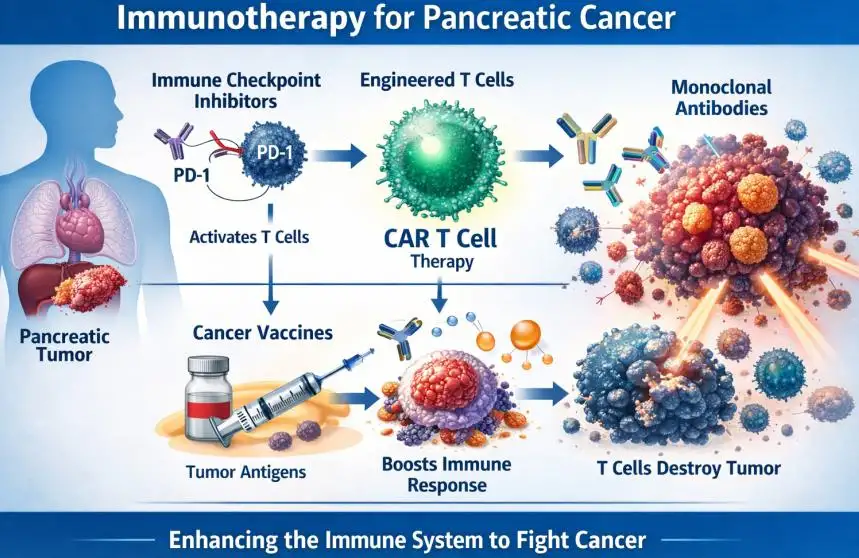
5. Immunotherapy
Emerging option for selected patients with specific molecular markers.
Treatment Overview Table
| Treatment | Purpose | Suitable for Early Stage? | Suitable for Advanced Stage? |
|---|---|---|---|
| Surgery | Remove tumor | Yes | Rarely |
| Chemotherapy | Kill cancer cells | Yes | Yes |
| Radiation | Tumor control | Yes | Yes |
| Targeted Therapy | Precision treatment | Selected cases | Yes |
| Immunotherapy | Immune activation | Limited | Selected cases |
Younger patients often tolerate aggressive treatment better than older individuals.
Prevention and Lifestyle Recommendations
While not all cases are preventable, you can reduce your risk of pancreatic cancer by:
-
Quitting smoking
-
Maintaining a healthy weight
-
Eating a balanced diet rich in fruits and vegetables
-
Limiting alcohol consumption
-
Managing diabetes effectively
-
Exercising regularly
If you have a family history, discuss screening strategies with your doctor.
Prognosis and Survival Rates
Pancreatic cancer has one of the lowest survival rates among major cancers, largely because it is diagnosed late.
General 5-Year Survival Rates (All Ages)
| Stage | 5-Year Survival Rate |
|---|---|
| Localized | ~40% |
| Regional | ~15% |
| Distant | ~3% |
| Overall | ~12% |
Younger patients may have slightly better outcomes due to fewer underlying health conditions and improved treatment tolerance. However, prognosis still depends heavily on early detection.
Latest Research and Innovations
Ongoing research is improving understanding of pancreatic cancer in young people.
Key advancements include:
-
Liquid biopsies for early detection
-
Personalized medicine based on genetic profiling
-
Novel immunotherapy combinations
-
AI-assisted imaging diagnostics
-
Clinical trials targeting early-onset pancreatic cancer
Scientists are also studying why rates appear to be increasing in younger populations, focusing on environmental exposures and metabolic health factors.
Coping and Support for Patients
A diagnosis of pancreatic cancer at a young age can be emotionally overwhelming. Many patients face unique challenges, including career disruption, family responsibilities, and financial stress.
Support options include:
-
Oncology counseling services
-
Cancer support groups
-
Nutritional therapy
-
Pain management programs
-
Palliative care services
Emotional and psychological support is just as important as medical treatment. Lean on family, friends, and healthcare professionals to build a strong support system.
Conclusion
Pancreatic cancer in young people, though less common, is a serious and growing concern. Early recognition of symptoms, awareness of genetic risk factors, and timely medical evaluation can significantly influence outcomes. If you or someone you know is experiencing persistent digestive symptoms or has a strong family history of pancreatic cancer, don’t delay seeking medical advice.
Advances in research, targeted therapies, and personalized medicine offer hope for improved survival and quality of life. Staying informed and proactive is your strongest defense.
FAQ About Pancreatic Cancer in Young People
1. Is pancreatic cancer common in young adults?
No, it is relatively rare in people under 50, but cases are increasing globally.
2. What is the main cause of pancreatic cancer in young people?
Genetic mutations and family history play a significant role, along with lifestyle factors like smoking and obesity.
3. Can pancreatic cancer be detected early?
Early detection is difficult due to vague symptoms, but high-risk individuals may benefit from screening and genetic testing.
4. Is pancreatic cancer more aggressive in young patients?
It can be aggressive at any age, but younger patients may tolerate intensive treatment better.
5. Should young people with family history get screened?
Yes. If you have multiple family members with pancreatic cancer or known genetic mutations, consult a specialist about screening options.