End Stages of Pancreatic Cancer: Symptoms, Treatment, Prognosis, and Support

Pancreatic cancer is one of the most aggressive and challenging cancers to diagnose and treat, often identified only when it has reached an advanced phase. The end stages of pancreatic cancer represent a critical period for patients and their loved ones, marked by complex physical symptoms, emotional challenges, and important medical decisions. Understanding what happens during this stage can help patients and families prepare, cope, and seek appropriate care.
In this article, we provide a comprehensive, guide to the end stages of pancreatic cancer. You’ll learn about symptoms, diagnosis, treatment options, prognosis, and the latest research, along with practical guidance on emotional support and quality-of-life care. Our goal is to offer clear, compassionate, and trustworthy information to help you navigate this difficult journey.
Overview
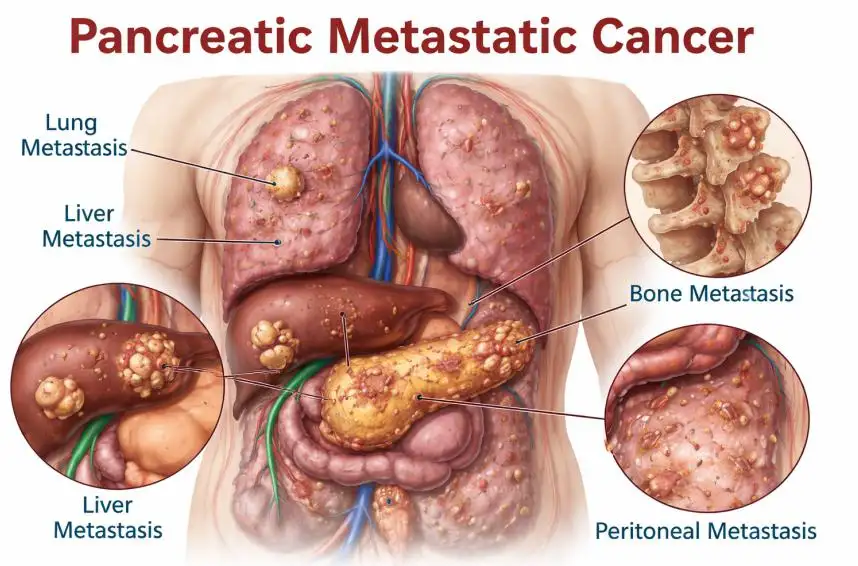
The end stages of pancreatic cancer typically refer to Stage IV or advanced metastatic disease, where cancer has spread to distant organs such as the liver, lungs, or peritoneum. At this stage, curative treatment is usually no longer possible, and care focuses on symptom management, comfort, and quality of life.
Pancreatic cancer progresses silently in many patients, which is why it is often diagnosed late. Understanding the nature of advanced disease allows patients and caregivers to make informed decisions about treatment priorities, palliative care, and personal goals.
Types of Pancreatic Cancer
Although the end stages present similarly, the underlying type of pancreatic cancer can influence progression and symptom patterns.
| Type of Pancreatic Cancer | Description | Prevalence |
|---|---|---|
| Pancreatic Ductal Adenocarcinoma (PDAC) | Originates in the pancreatic ducts; highly aggressive | ~90% |
| Neuroendocrine Tumors (NETs) | Arise from hormone-producing cells; slower-growing | Rare |
| Acinar Cell Carcinoma | Develops from enzyme-producing cells | Very rare |
Most discussions of the end stages of pancreatic cancer focus on PDAC due to its high incidence and aggressive nature.
Causes and Risk Factors
While the exact cause is not always clear, several factors increase the risk of developing pancreatic cancer and its progression to advanced stages.
Key risk factors include:
-
Smoking and tobacco exposure
-
Chronic pancreatitis
-
Type 2 diabetes
-
Obesity and poor diet
-
Family history and genetic mutations (BRCA1/2, PALB2)
-
Advanced age
Addressing modifiable risk factors early may reduce overall risk, though they cannot fully prevent the disease.
Symptoms and Early Warning Signs
In the end stages of pancreatic cancer, symptoms often become more pronounced and debilitating.
Common symptoms include:
-
Severe abdominal or back pain
-
Significant weight loss and muscle wasting
-
Loss of appetite and difficulty eating
-
Jaundice (yellowing of skin and eyes)
-
Extreme fatigue and weakness
-
Digestive problems and bowel changes
-
Fluid buildup (ascites)
These symptoms can vary from person to person, but early recognition allows for better symptom control and supportive care.
Diagnosis
Diagnosis of advanced pancreatic cancer typically involves imaging and laboratory tests to confirm disease spread.
Common diagnostic methods:
-
CT scan or MRI to assess tumor size and metastasis
-
PET scans for detecting cancer spread
-
Blood tests, including CA 19-9 tumor marker
-
Biopsy to confirm cancer type
At the end stages, diagnosis is often focused on monitoring progression and guiding palliative treatment rather than determining curative options.
Treatment Options
Treatment in the end stages of pancreatic cancer is primarily palliative, aimed at relieving symptoms and improving comfort.
| Treatment Approach | Purpose |
|---|---|
| Palliative Chemotherapy | Slow disease progression, reduce symptoms |
| Pain Management | Control severe pain with medications or nerve blocks |
| Radiation Therapy | Relieve localized pain or obstruction |
| Nutritional Support | Manage weight loss and digestion issues |
| Hospice Care | Provide comfort-focused, holistic support |
Decisions about treatment should be personalized, taking into account patient preferences and overall health.
Prevention and Lifestyle Recommendations
While prevention is most effective before cancer develops, certain lifestyle measures can support overall well-being even in advanced stages.
Helpful recommendations:
-
Maintain balanced nutrition as tolerated
-
Stay hydrated and manage digestive symptoms
-
Avoid smoking and alcohol
-
Engage in gentle physical activity if possible
-
Prioritize rest and stress reduction
These measures can help improve comfort and emotional resilience.
Prognosis and Survival Rates
The prognosis for the end stages of pancreatic cancer remains challenging.
| Stage | Approximate 5-Year Survival Rate |
|---|---|
| Stage III | ~3–10% |
| Stage IV (End Stages) | ~2–3% |
While survival statistics provide a general outlook, individual outcomes vary based on overall health, response to treatment, and supportive care quality.
Latest Research and Innovations
Ongoing research offers hope for future improvements in managing advanced pancreatic cancer.
Promising areas include:
-
Targeted therapies based on genetic profiling
-
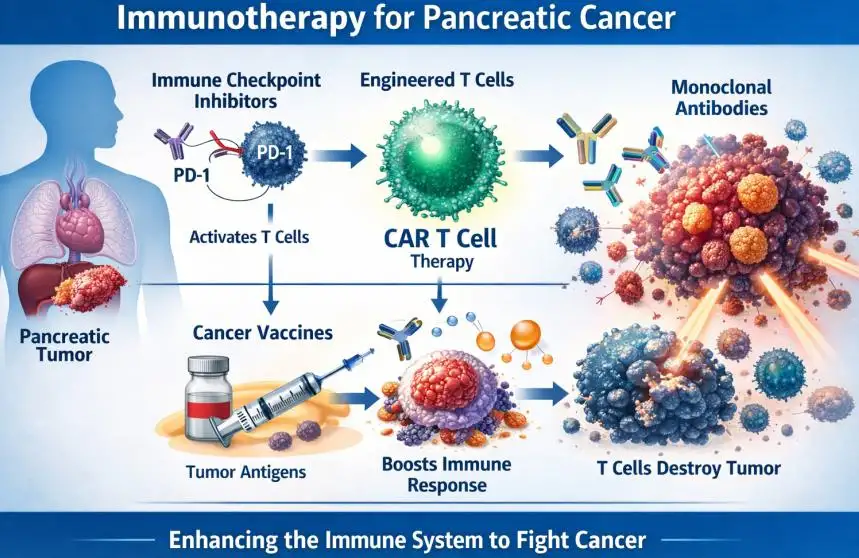
Immunotherapy combinations
-
Personalized medicine approaches
-
Improved palliative care techniques
Although these innovations may not cure advanced disease, they can enhance symptom control and extend quality life expectancy.
Coping and Support for Patients
Facing the end stages of pancreatic cancer is emotionally demanding for both patients and families.
Support strategies include:
-
Counseling and psychological support
-
Support groups for patients and caregivers
-
Spiritual care and end-of-life planning
-
Open communication with healthcare providers
Seeking help is a sign of strength, not weakness, and can significantly improve emotional well-being.
Conclusion
The end stages of pancreatic cancer represent a complex and deeply personal phase of the disease journey. While medical treatment options are limited, compassionate care, symptom management, and emotional support play a crucial role in preserving dignity and quality of life. By understanding what to expect and exploring available resources, patients and families can make informed decisions and find comfort during this challenging time.
FAQ
1. What are the final symptoms of pancreatic cancer?
Final symptoms often include severe pain, extreme fatigue, loss of appetite, jaundice, and increasing weakness.
2. Can pancreatic cancer be cured in its end stages?
Currently, there is no cure for end-stage pancreatic cancer. Treatment focuses on comfort and quality of life.
3. How long can someone live with end-stage pancreatic cancer?
Life expectancy varies, but many patients live weeks to several months depending on individual factors and care.
4. Is hospice care recommended for end-stage pancreatic cancer?
Yes, hospice care is highly recommended to provide comfort, pain management, and emotional support.
5. What can families do to support a loved one?
Families can offer emotional presence, help manage symptoms, coordinate care, and seek professional support services.