Newest Treatment for Pancreatic Cancer: Breakthrough Therapies, Survival Rates, and What Patients Need to Know

Pancreatic cancer remains one of the most challenging cancers to treat, often diagnosed at an advanced stage and associated with a poor prognosis. However, in recent years, the newest treatment for pancreatic cancer has begun to reshape expectations, offering renewed hope for patients and families affected by this disease.
Advances in precision medicine, immunotherapy, and targeted drug development are transforming how pancreatic cancer is managed. This article explores the newest treatment for pancreatic cancer in depth, guiding readers through causes, symptoms, diagnosis, modern therapies, and the latest research shaping the future of care.
Overview
Pancreatic cancer originates in the tissues of the pancreas, an organ responsible for digestion and blood sugar regulation. The most common form is pancreatic ductal adenocarcinoma (PDAC), accounting for over 90% of cases. Due to subtle early symptoms, many patients are diagnosed when the disease has already spread.
The newest treatment for pancreatic cancer focuses on personalized and multimodal approaches. Rather than relying solely on surgery or chemotherapy, modern strategies combine advanced imaging, molecular profiling, targeted therapies, and supportive care to improve outcomes.
Types
Pancreatic cancer is classified based on the type of cells involved:
| Type | Description |
|---|---|
| Pancreatic Ductal Adenocarcinoma (PDAC) | Most common and aggressive form |
| Neuroendocrine Tumors (NETs) | Slower-growing tumors from hormone-producing cells |
| Acinar Cell Carcinoma | Rare cancer from enzyme-producing cells |
| Solid Pseudopapillary Neoplasm | Rare, usually affects younger women |
Understanding the cancer type is essential when selecting the newest treatment for pancreatic cancer, as therapies vary significantly by tumor biology.
Causes and Risk Factors
The exact cause of pancreatic cancer is unknown, but several risk factors increase susceptibility:
-
Smoking and tobacco use
-
Chronic pancreatitis
-
Diabetes, particularly new-onset diabetes in older adults
-
Obesity and sedentary lifestyle
-
Family history and inherited genetic mutations (BRCA1, BRCA2, PALB2)
-
Age over 60
Genetic testing is increasingly important, as some of the newest treatments for pancreatic cancer target specific inherited mutations.
Symptoms and Early Warning Signs
Early pancreatic cancer often causes vague or no symptoms. As the disease progresses, warning signs may include:
-
Persistent abdominal or back pain
-
Unexplained weight loss
-
Jaundice (yellowing of skin and eyes)
-
Loss of appetite and fatigue
-
New or worsening diabetes
-
Pale stools and dark urine
Early recognition can significantly expand treatment options and improve survival.
Diagnosis
Accurate diagnosis requires a combination of clinical evaluation and advanced testing:
-
Imaging studies such as CT scans, MRI, and endoscopic ultrasound (EUS)
-
Blood tests, including CA 19-9 tumor marker
-
Biopsy for histological confirmation
-
Molecular and genetic testing to guide targeted therapy
Precision diagnostics play a key role in determining eligibility for the newest treatment for pancreatic cancer.
Treatment Options
Treatment depends on cancer stage, location, and patient health. Modern care often involves a combination of approaches:
| Treatment Option | Role in Care |
|---|---|
| Surgery | Potentially curative in early-stage disease |
| Chemotherapy | Standard and combination regimens such as FOLFIRINOX |
| Radiation Therapy | Used before or after surgery or for symptom control |
| Targeted Therapy | Acts on specific genetic mutations |
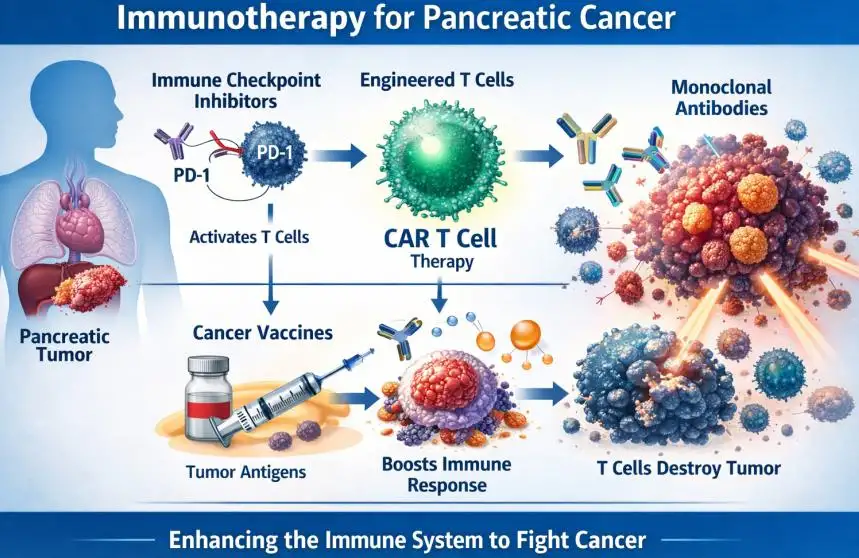
| Immunotherapy | Enhances the body’s immune response |
| Clinical Trials | Access to the newest treatment for pancreatic cancer |
Multidisciplinary treatment planning is now considered the gold standard.
Prevention and Lifestyle Recommendations
While pancreatic cancer cannot always be prevented, risk can be reduced through lifestyle changes:
-
Avoid smoking and limit alcohol consumption
-
Maintain a healthy weight and balanced diet
-
Engage in regular physical activity
-
Manage diabetes and chronic pancreatitis
-
Consider genetic counseling if there is a family history
Healthy habits also improve tolerance to treatment and overall quality of life.
Prognosis and Survival Rates
Historically, pancreatic cancer survival rates have been low. However, advances are gradually improving outcomes:
| Stage | Approximate 5-Year Survival Rate |
|---|---|
| Localized (resectable) | 40–45% |
| Regional spread | 15–20% |
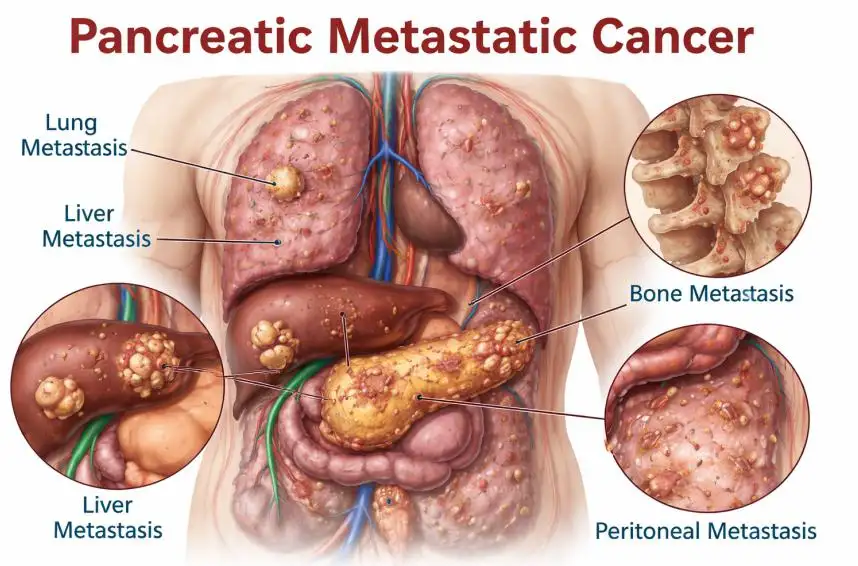
| Distant metastasis | 3–5% |
Patients receiving the newest treatment for pancreatic cancer through specialized centers and clinical trials often experience better survival and symptom control.
Latest Research and Innovations
Research is rapidly evolving, and the newest treatment for pancreatic cancer includes several promising innovations:
-
Personalized vaccines designed from a patient’s tumor profile
-
PARP inhibitors for patients with BRCA mutations
-
KRAS-targeted therapies, once thought impossible
-
Combination immunotherapy strategies
-
AI-assisted imaging and treatment planning
Ongoing clinical trials continue to redefine what is possible in pancreatic cancer care.
Coping and Support for Patients
A pancreatic cancer diagnosis affects both physical and emotional well-being. Support strategies include:
-
Psychological counseling and support groups
-
Nutritional guidance to manage digestion issues
-
Pain and symptom management through palliative care
-
Caregiver education and community resources
Holistic support improves resilience and helps patients navigate complex treatment decisions.
Conclusion
The newest treatment for pancreatic cancer represents a significant shift toward personalized, targeted, and innovative care. While challenges remain, advances in research, diagnostics, and therapy are extending survival and improving quality of life for many patients. Early detection, access to specialized care, and participation in clinical trials are key components of modern pancreatic cancer management.
FAQ
1. What is the newest treatment for pancreatic cancer?
The newest treatment for pancreatic cancer includes targeted therapies, personalized vaccines, immunotherapy combinations, and treatments based on genetic profiling.
2. Is pancreatic cancer curable?
Early-stage pancreatic cancer may be curable with surgery and combined therapy, but advanced cases focus on life extension and symptom control.
3. Who qualifies for targeted therapy?
Patients with specific genetic mutations such as BRCA or PALB2 may benefit from targeted drugs.
4. Are clinical trials important?
Yes, clinical trials provide access to the newest treatment for pancreatic cancer and contribute to future breakthroughs.
5. Can lifestyle changes improve outcomes?
Healthy lifestyle habits can support treatment effectiveness, reduce complications, and enhance overall well-being.