Prognosis for Stage 1 Colon Cancer: Survival Rates, Treatment Outcomes, and What to Expect
Receiving a diagnosis of early-stage cancer can feel overwhelming, but understanding the prognosis for stage 1 colon cancer can provide reassurance and clarity. Stage 1 is considered one of the earliest and most treatable forms of colon cancer, often associated with highly favorable outcomes when detected and managed promptly.
In this article, we will explore everything you need to know about stage 1 colon cancer, from causes and symptoms to treatment options and survival rates. Whether you're a patient, caregiver, or simply seeking knowledge, this guide will help you better understand what lies ahead and how to navigate it confidently.
Overview
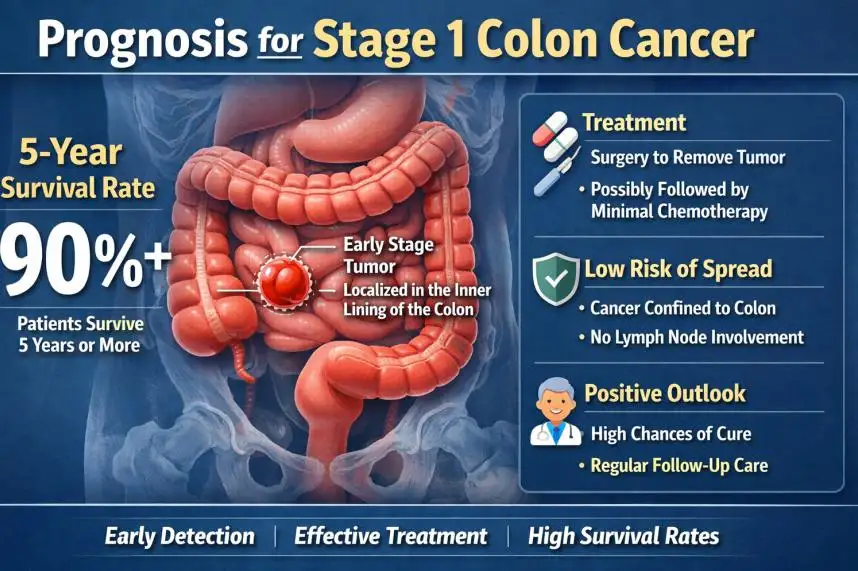
Stage 1 colon cancer means that the cancer has grown into the inner layers of the colon wall but has not spread to nearby lymph nodes or distant organs. This early detection significantly improves treatment success.
At this stage, the tumor is typically localized, making surgical removal highly effective. Most patients diagnosed at stage 1 have an excellent long-term outlook.
Types
Colon cancer is generally categorized based on the type of cells involved. Even in stage 1, understanding the type can influence treatment decisions.
| Type | Description |
|---|---|
| Adenocarcinoma | The most common type, starting in glandular cells |
| Mucinous carcinoma | Produces mucus; may behave differently |
| Signet ring cell carcinoma | Rare and more aggressive |
Causes and Risk Factors
While the exact cause of colon cancer is not always clear, several risk factors increase the likelihood of developing it:
-
Age over 50
-
Family history of colorectal cancer
-
Genetic syndromes (e.g., Lynch syndrome)
-
Diet high in red or processed meat
-
Low fiber intake
-
Obesity and sedentary lifestyle
-
Smoking and alcohol use
Understanding these risk factors can help with early detection and prevention.
Symptoms and Early Warning Signs
Stage 1 colon cancer often presents minimal or no symptoms, which is why screening is crucial. However, some early signs may include:
-
Changes in bowel habits
-
Blood in the stool
-
Abdominal discomfort or cramping
-
Unexplained fatigue
Because these symptoms can be subtle, regular screenings like colonoscopies are essential for early detection.
Diagnosis
Diagnosing stage 1 colon cancer involves several steps:
| Diagnostic Method | Purpose |
|---|---|
| Colonoscopy | Visualizes the colon and detects tumors |
| Biopsy | Confirms cancer through tissue analysis |
| Imaging tests (CT scan) | Determines the extent of cancer spread |
Early diagnosis is a key factor influencing the favorable prognosis for stage 1 colon cancer.
Treatment Options
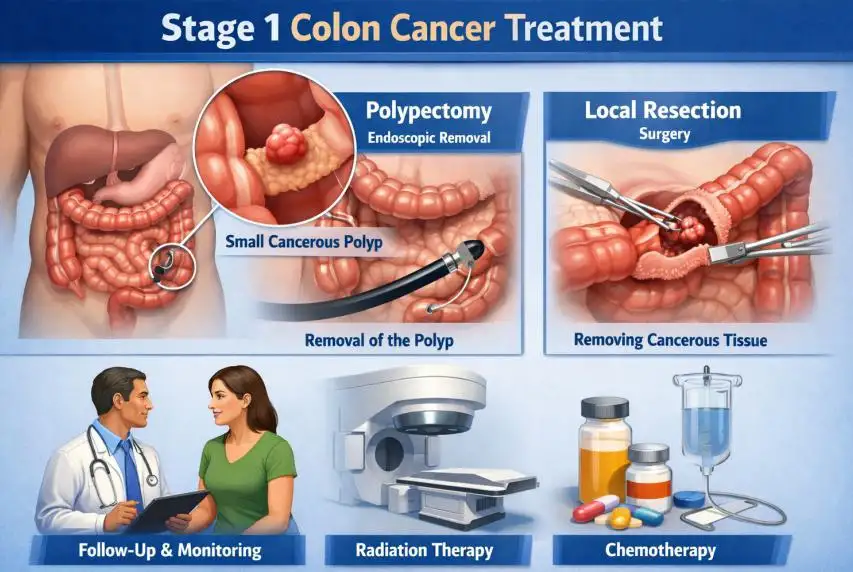
Treatment for stage 1 colon cancer is usually straightforward and highly effective.
Primary Treatment
-
Surgery (colectomy): Removal of the cancerous portion of the colon
Additional Treatments
In most cases, chemotherapy or radiation therapy is not required at this stage unless specific risk factors are present.
| Treatment | Purpose | Common Use |
|---|---|---|
| Surgery | Removes tumor | Standard treatment |
| Chemotherapy | Kills cancer cells | Rarely needed |
| Radiation therapy | Targets cancer cells | Not typical for colon cancer |
Prevention and Lifestyle Recommendations
Although not all cases can be prevented, adopting a healthy lifestyle can significantly reduce risk:
-
Eat a diet rich in fruits, vegetables, and whole grains
-
Maintain a healthy weight
-
Exercise regularly
-
Avoid smoking and limit alcohol consumption
-
Undergo regular screenings, especially after age 50
These steps also improve overall health and recovery outcomes.
Prognosis and Survival Rates
The prognosis for stage 1 colon cancer is generally excellent due to early detection and effective treatment.
Survival Rate Overview
| Stage | 5-Year Survival Rate |
|---|---|
| Stage 1 | Around 90–95% |
Most patients who undergo successful surgery can expect long-term survival with minimal risk of recurrence.
Factors Influencing Prognosis
-
Tumor characteristics
-
Patient’s overall health
-
Timeliness of treatment
-
Surgical success
Early intervention remains the most critical factor in ensuring a positive outcome.
Latest Research and Innovations
Advancements in medical research continue to improve outcomes for colon cancer patients:
-
Minimally invasive surgical techniques (laparoscopic surgery)
-
Improved screening technologies
-
Genetic testing for personalized treatment plans
-
Ongoing studies in targeted therapies
These innovations aim to enhance both survival rates and quality of life.
Coping and Support for Patients
A cancer diagnosis can impact emotional and mental well-being. Support systems are essential:
-
Join support groups (online or local)
-
Seek counseling or therapy
-
Stay informed and involved in treatment decisions
-
Lean on family and friends
Maintaining a positive mindset and strong support network can significantly improve the healing journey.
Conclusion
Understanding the prognosis for stage 1 colon cancer offers hope and direction for patients facing this diagnosis. With early detection, effective surgical treatment, and a healthy lifestyle, most individuals can expect excellent outcomes and long-term survival.
Staying proactive with screenings and informed about your health is the best defense against colon cancer. If you or a loved one is at risk, taking action early can make all the difference.
FAQ
1. What is the survival rate for stage 1 colon cancer?
The 5-year survival rate is approximately 90–95%, making it one of the most treatable stages.
2. Is chemotherapy necessary for stage 1 colon cancer?
In most cases, chemotherapy is not required unless there are unusual risk factors.
3. Can stage 1 colon cancer be cured?
Yes, many patients are effectively cured through surgery alone.
4. How often should I get screened for colon cancer?
Screening typically begins at age 50, or earlier if you have risk factors. Consult your doctor for personalized advice.
5. What are the chances of recurrence?
Recurrence is rare in stage 1 cases, especially after successful surgical removal.