Prognosis for Stage 2 Colon Cancer: Survival Rates, Treatment, and What to Expect
Understanding the prognosis for stage 2 colon cancer is essential for patients and their families as they navigate diagnosis and treatment. While the word “cancer” can feel overwhelming, stage 2 colon cancer is often considered a highly treatable condition, especially when detected early and managed appropriately. Knowing what to expect can empower you to make informed decisions and approach treatment with confidence.
In this article, we will explore everything you need to know about stage 2 colon cancer, from causes and symptoms to treatment options and survival rates. By the end, you will have a clearer picture of the prognosis for stage 2 colon cancer and the steps you can take to improve outcomes and quality of life.
Overview
Stage 2 colon cancer occurs when cancer has grown through the wall of the colon but has not yet spread to nearby lymph nodes or distant organs. It is considered a localized or early-stage cancer, which generally leads to a more favorable prognosis compared to advanced stages.
At this stage, treatment is often effective, and many patients achieve long-term remission. The prognosis for stage 2 colon cancer depends on several factors, including tumor characteristics, overall health, and how early the disease is detected.
Types
Stage 2 colon cancer is typically divided into subcategories based on how far the tumor has grown:
| Substage | Description |
|---|---|
| Stage 2A | Cancer has grown into the outer layers of the colon wall |
| Stage 2B | Cancer has grown through the colon wall but not into nearby organs |
| Stage 2C | Cancer has spread to nearby tissues or organs but not lymph nodes |
These substages can influence treatment decisions and the overall prognosis for stage 2 colon cancer.
Causes and Risk Factors
Colon cancer develops due to abnormal cell growth in the colon. While the exact cause may not always be clear, several risk factors increase the likelihood of developing the disease:
-
Age (most cases occur over 50)
-
Family history of colon cancer
-
Genetic conditions such as Lynch syndrome
-
Diet high in red or processed meats
-
Low fiber intake
-
Obesity and sedentary lifestyle
-
Smoking and excessive alcohol consumption
-
Inflammatory bowel diseases (e.g., Crohn’s disease, ulcerative colitis)
Understanding these risk factors can help in prevention and early detection.
Symptoms and Early Warning Signs
Stage 2 colon cancer may not always cause noticeable symptoms, but some early warning signs include:
-
Changes in bowel habits (diarrhea or constipation)
-
Blood in the stool
-
Abdominal pain or cramping
-
Unexplained weight loss
-
Fatigue or weakness
Because symptoms can be subtle, routine screening plays a crucial role in early diagnosis and improving the prognosis for stage 2 colon cancer.
Diagnosis
Diagnosing stage 2 colon cancer typically involves a combination of tests:
-
Colonoscopy (primary diagnostic tool)
-
Biopsy (to confirm cancer)
-
Imaging tests such as CT scans or MRI
-
Blood tests, including tumor markers like CEA
Accurate staging is essential to determine the best treatment plan and assess the prognosis.
Treatment Options
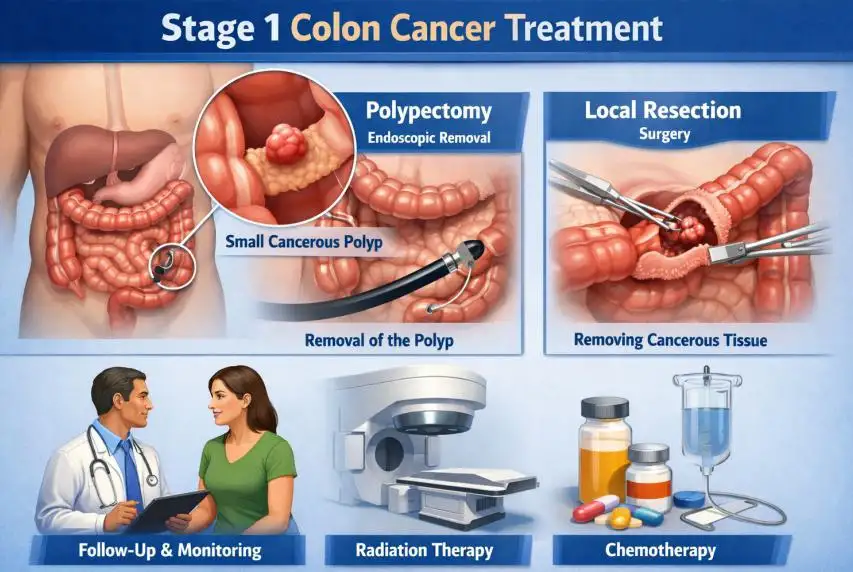
Treatment for stage 2 colon cancer usually involves surgery, with or without additional therapies.
Common Treatment Approaches
| Treatment | Description |
|---|---|
| Surgery | Removal of the tumor and surrounding tissue |
| Chemotherapy | May be recommended for high-risk cases |
| Targeted therapy | Used in specific situations based on tumor biology |
Surgery alone is often sufficient for many patients. However, chemotherapy may be advised if there are high-risk features such as tumor perforation or poor differentiation.
Prevention and Lifestyle Recommendations
While not all cases are preventable, adopting healthy habits can reduce risk and improve outcomes:
-
Eat a high-fiber diet rich in fruits and vegetables
-
Limit red and processed meats
-
Maintain a healthy weight
-
Exercise regularly
-
Avoid smoking and excessive alcohol use
-
Participate in regular screening programs
These lifestyle changes can also support recovery and long-term health after treatment.
Prognosis and Survival Rates
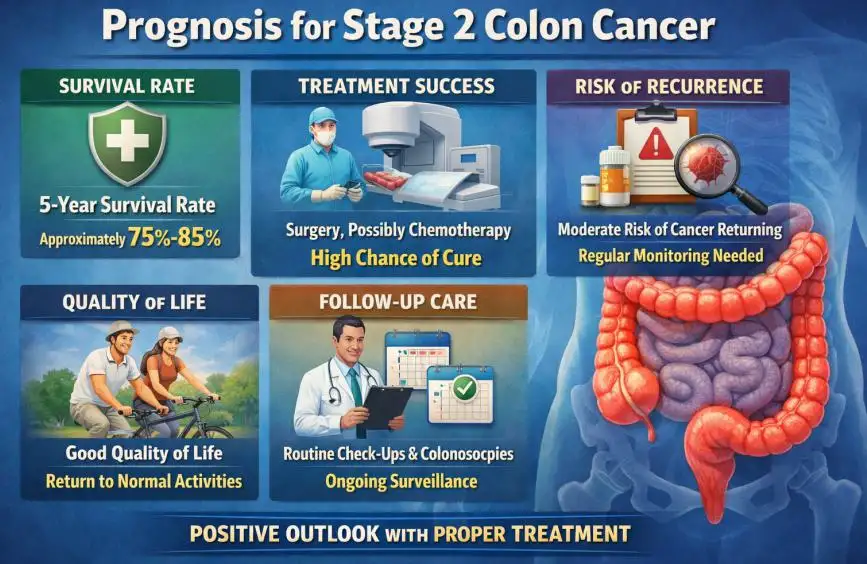
The prognosis for stage 2 colon cancer is generally favorable, especially when treated early.
Survival Rates
| Substage | 5-Year Survival Rate |
|---|---|
| Stage 2A | ~85–90% |
| Stage 2B | ~70–85% |
| Stage 2C | ~60–75% |
These rates can vary depending on individual factors such as age, overall health, and response to treatment.
Factors Affecting Prognosis
-
Tumor size and location
-
Presence of high-risk features
-
Patient’s overall health
-
Timeliness and effectiveness of treatment
With proper care, many patients live long and healthy lives after treatment.
Latest Research and Innovations
Advancements in medical research continue to improve the prognosis for stage 2 colon cancer. Some promising developments include:
-
Precision medicine and genetic profiling
-
Immunotherapy for select patients
-
Improved surgical techniques
-
Enhanced screening methods
These innovations aim to provide more personalized and effective treatments, reducing recurrence and improving survival rates.
Coping and Support for Patients
A cancer diagnosis affects not only the body but also emotional well-being. Patients are encouraged to seek support through:
-
Counseling or therapy
-
Support groups
-
Family and friends
-
Patient advocacy organizations
Maintaining a positive outlook and strong support system can significantly improve quality of life during and after treatment.
Conclusion
The prognosis for stage 2 colon cancer is encouraging, with high survival rates and effective treatment options available. Early detection, appropriate treatment, and a healthy lifestyle all play key roles in achieving the best possible outcomes.
If you or a loved one is facing this diagnosis, remember that you are not alone. With the right care and support, many patients successfully overcome stage 2 colon cancer and go on to lead fulfilling lives.
FAQ
1. What is the survival rate for stage 2 colon cancer?
The 5-year survival rate ranges from approximately 60% to 90%, depending on the substage and individual factors.
2. Is chemotherapy necessary for stage 2 colon cancer?
Not always. Chemotherapy is typically recommended only for high-risk cases.
3. Can stage 2 colon cancer be cured?
Yes, many cases can be cured, especially when detected early and treated effectively.
4. How often should follow-up tests be done?
Follow-up schedules vary but usually include regular check-ups, imaging, and colonoscopies over several years.
What lifestyle changes improve prognosis?
A healthy diet, regular exercise, avoiding smoking, and routine screenings can significantly improve outcomes.