Submandibular Lymph Nodes Cancer Symptoms: Early Signs, Diagnosis, and Treatment Guide

Cancer affecting the lymph nodes under the jaw is rare but clinically significant, as it is often linked to head and neck cancers or lymphatic system disorders. Understanding submandibular lymph nodes cancer symptoms is essential for early detection, timely diagnosis, and effective treatment. Many people initially overlook changes in this area, assuming they are caused by infections or dental issues, which can delay medical care.
This comprehensive guide is designed to help readers recognize warning signs, understand possible causes, and explore modern diagnostic and treatment options. By being informed and proactive, patients and caregivers can significantly improve outcomes and quality of life.
Overview
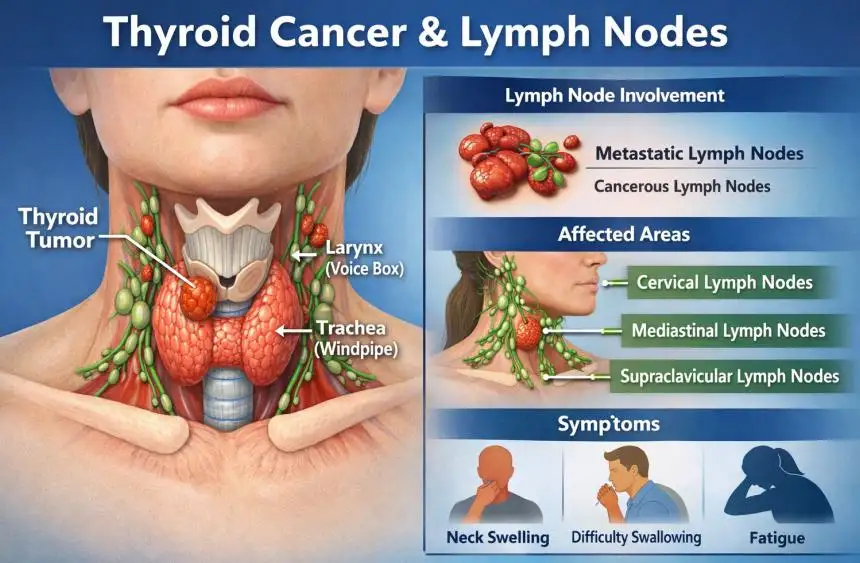
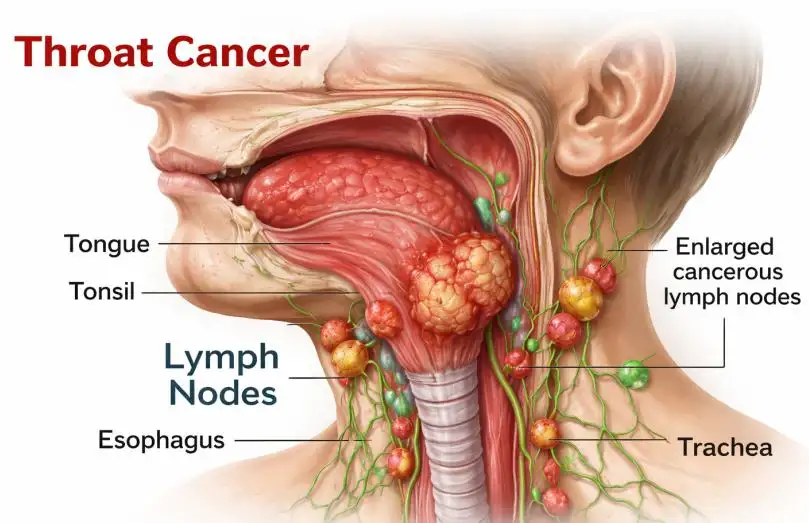
The submandibular lymph nodes are part of the lymphatic system and are located beneath the lower jaw. They play a crucial role in filtering lymph fluid and supporting immune responses, especially for the mouth, throat, and nasal areas. Cancer involving these nodes may be primary (originating in the lymphatic system) or secondary (spreading from nearby cancers).
In many cases, submandibular lymph nodes cancer symptoms appear as persistent swelling or hard lumps that do not resolve over time. Early recognition is critical because lymph node involvement often indicates disease progression.
Types
Cancer affecting the submandibular lymph nodes can be classified into several types:
| Type of Cancer | Description |
|---|---|
| Lymphoma | Cancer originating in the lymphatic system, including Hodgkin and non-Hodgkin lymphoma |
| Metastatic Head and Neck Cancer | Cancer spreading from oral, throat, or salivary gland tumors |
| Salivary Gland Cancer | Malignancies arising near or within submandibular glands |
| Leukemia-related Lymphadenopathy | Blood cancers causing secondary lymph node enlargement |
Each type presents differently, making professional evaluation essential.
Causes and Risk Factors
Several factors may increase the risk of developing cancer in the submandibular lymph nodes:
-
Chronic infections in the oral or throat region
-
Tobacco and excessive alcohol use
-
Human papillomavirus (HPV) infection
-
Exposure to radiation
-
Weakened immune system
-
Family history of cancer
While not all swollen lymph nodes indicate cancer, persistent or unexplained swelling should never be ignored.
Symptoms and Early Warning Signs
Recognizing submandibular lymph nodes cancer symptoms early can make a significant difference in treatment success. Common signs include:
-
Painless or painful lump under the jaw
-
Firm, immovable lymph node swelling
-
Persistent sore throat or mouth sores
-
Difficulty swallowing or speaking
-
Unexplained weight loss
-
Night sweats or fatigue
If these symptoms last longer than two to three weeks, medical consultation is strongly recommended.
Diagnosis
Diagnosing cancer in the submandibular lymph nodes involves a combination of clinical examination and advanced testing:
-
Physical examination of the neck and jaw
-
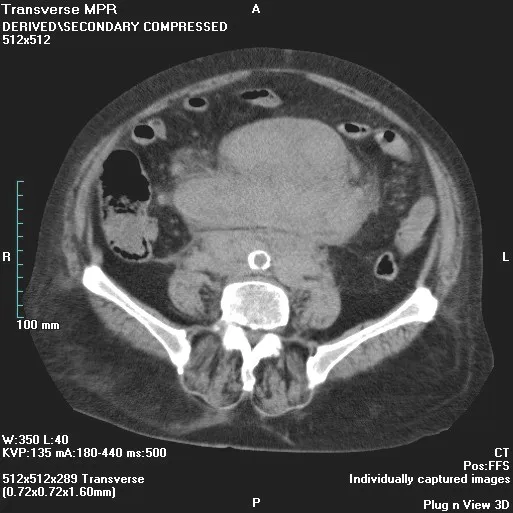
Imaging tests such as ultrasound, CT scan, or MRI
-
Fine needle aspiration or biopsy
-
Blood tests to assess overall health
-
PET scans to detect cancer spread
Accurate diagnosis helps determine cancer type and stage, guiding treatment decisions.
Treatment Options
Treatment depends on the underlying cause, cancer type, and stage. Common approaches include:
| Treatment Option | Purpose |
|---|---|
| Surgery | Removal of affected lymph nodes or primary tumor |
| Radiation Therapy | Targeted destruction of cancer cells |
| Chemotherapy | Systemic treatment for aggressive or advanced cancers |
| Immunotherapy | Boosting the immune system to fight cancer |
| Targeted Therapy | Attacking specific cancer cell markers |
Often, a combination of treatments provides the best outcomes.
Prevention and Lifestyle Recommendations
While not all cancers are preventable, certain lifestyle changes may reduce risk:
-
Avoid smoking and limit alcohol consumption
-
Maintain good oral hygiene
-
Get regular dental and medical checkups
-
Practice safe sex to reduce HPV risk
-
Eat a balanced diet rich in fruits and vegetables
-
Manage chronic infections promptly
Being proactive about health can aid early detection of submandibular lymph nodes cancer symptoms.
Prognosis and Survival Rates
Prognosis varies widely depending on cancer type, stage, and response to treatment. Early-stage cancers limited to the lymph nodes often have favorable survival rates, while advanced metastatic cases require more intensive treatment.
Generally, early diagnosis significantly improves long-term survival and quality of life, emphasizing the importance of awareness and timely care.
Latest Research and Innovations
Ongoing research continues to improve outcomes for patients with lymph node cancers. Key advancements include:
-
Precision medicine and genetic profiling
-
Advanced imaging techniques for early detection
-
Immunotherapy drugs with fewer side effects
-
Minimally invasive surgical approaches
These innovations are transforming how submandibular lymph nodes cancer symptoms are diagnosed and treated.
Coping and Support for Patients
A cancer diagnosis can be emotionally challenging. Patients are encouraged to seek:
-
Psychological counseling or support groups
-
Nutritional guidance during treatment
-
Physical therapy for post-treatment recovery
-
Open communication with healthcare providers
-
Support from family and friends
Emotional well-being is a vital part of the healing process.
Conclusion
Understanding submandibular lymph nodes cancer symptoms empowers individuals to take action early. Persistent swelling, unexplained lumps, or systemic symptoms should never be ignored. With early diagnosis, modern treatments, and strong support systems, many patients achieve positive outcomes and maintain a good quality of life.
Staying informed and proactive is the first step toward better health.
FAQ
1. Are swollen submandibular lymph nodes always cancerous?
No. Most cases are caused by infections, but persistent or hard lumps require medical evaluation.
2. How long should a swollen lymph node last before concern?
If swelling persists beyond two to three weeks or grows larger, consult a doctor.
3. Can submandibular lymph node cancer be cured?
Many cases are treatable, especially when diagnosed early. Outcomes depend on cancer type and stage.
4. Is pain always present in submandibular lymph nodes cancer symptoms?
No. Many cancerous lymph nodes are painless, which is why early detection can be challenging.
5. Who should I see for diagnosis?
An ENT specialist, oncologist, or head and neck surgeon is typically involved in diagnosis and treatment.