Characteristics of Stage 3 Gastric Cancer: Symptoms, Treatment, and Prognosis Explained
Gastric cancer, also known as stomach cancer, is a serious and often life-threatening disease that usually develops slowly over many years. Understanding the characteristics of stage 3 gastric cancer is crucial because this stage represents an advanced form of the disease where the cancer has spread beyond the inner layers of the stomach but may still be potentially treatable with aggressive therapy.
At stage 3, many patients begin to experience more noticeable symptoms, and treatment decisions become more complex. This article provides a complete, clear, and explanation of the characteristics of stage 3 gastric cancer, including its types, causes, symptoms, diagnosis, treatment options, prognosis, and the latest medical advances, to help patients and caregivers make informed decisions.
Overview
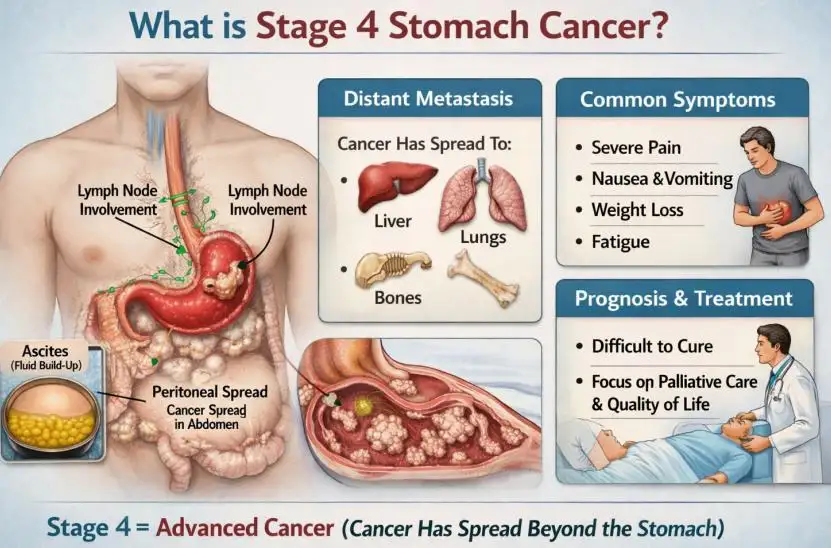
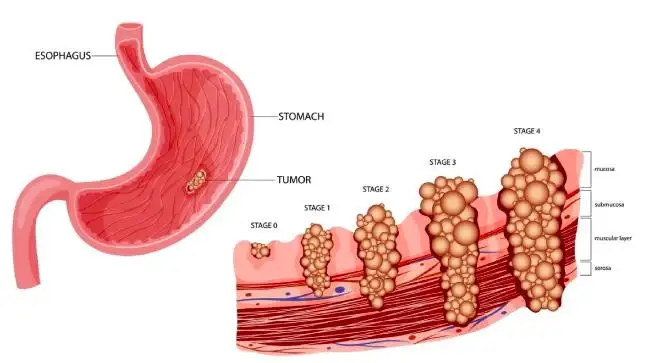
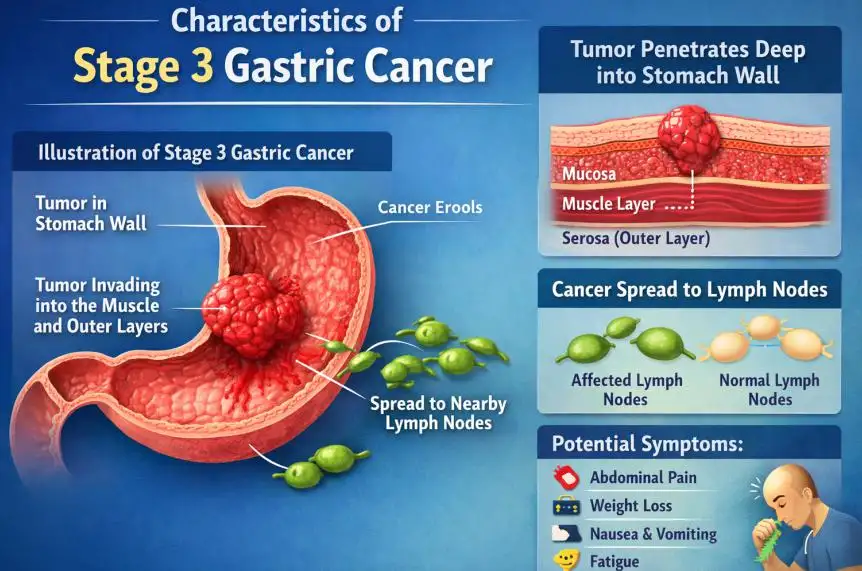
Stage 3 gastric cancer is defined by significant tumor growth and regional spread. The cancer typically penetrates deep into the stomach wall and may involve nearby lymph nodes. However, it has not yet spread to distant organs such as the liver, lungs, or bones.
The characteristics of stage 3 gastric cancer depend on tumor size, depth of invasion, and the number of affected lymph nodes. At this stage, the disease is considered locally advanced, requiring a combination of treatments rather than surgery alone.
Types
Stage 3 gastric cancer is commonly divided into substages based on tumor extent and lymph node involvement.
| Substage | Tumor Characteristics | Lymph Node Involvement |
|---|---|---|
| Stage 3A | Tumor invades muscle or outer stomach layer | 3–6 nearby lymph nodes |
| Stage 3B | Tumor reaches outer stomach lining or nearby tissues | 7–15 lymph nodes |
| Stage 3C | Tumor extensively invades stomach and surrounding structures | More than 15 lymph nodes |
These classifications help doctors determine the most effective treatment strategy and assess prognosis.
Causes and Risk Factors
The development and progression of gastric cancer to stage 3 are influenced by several factors. Common causes and risk factors include:
-
Chronic infection with Helicobacter pylori
-
Long-term inflammation of the stomach (chronic gastritis)
-
Diet high in smoked, salted, or processed foods
-
Smoking and excessive alcohol consumption
-
Family history of gastric cancer
-
Genetic syndromes and certain inherited mutations
-
Older age and male gender
Understanding these risk factors can help with prevention and early detection before the disease reaches advanced stages.
Symptoms and Early Warning Signs
The characteristics of stage 3 gastric cancer often include more pronounced and persistent symptoms compared to earlier stages.
Common symptoms include:
-
Persistent abdominal pain or discomfort
-
Unexplained weight loss
-
Loss of appetite and early satiety
-
Nausea or vomiting, sometimes with blood
-
Difficulty swallowing
-
Fatigue and weakness due to anemia
-
Black or tarry stools indicating internal bleeding
Because these symptoms can mimic less serious digestive conditions, diagnosis is often delayed.
Diagnosis
Diagnosing stage 3 gastric cancer requires a combination of clinical evaluation and advanced imaging techniques.
| Diagnostic Method | Purpose |
|---|---|
| Upper endoscopy with biopsy | Confirms cancer and tumor type |
| CT scan | Determines tumor size and lymph node spread |
| Endoscopic ultrasound | Assesses depth of tumor invasion |
| PET scan | Evaluates metabolic activity and spread |
| Blood tests | Detects anemia and overall health status |
Accurate staging is essential to identify the defining characteristics of stage 3 gastric cancer and plan treatment.
Treatment Options
Treatment for stage 3 gastric cancer usually involves a multimodal approach.
-
Surgery: Partial or total gastrectomy with lymph node removal
-
Chemotherapy: Often given before and after surgery to shrink tumors and reduce recurrence risk
-
Radiation therapy: Used in selected cases to target remaining cancer cells
-
Targeted therapy: For tumors with specific molecular features
-
Immunotherapy: Emerging option for certain patients with advanced disease markers
Treatment plans are individualized based on tumor biology, patient health, and response to therapy.
Prevention and Lifestyle Recommendations
While not all cases are preventable, lifestyle changes can reduce risk and support treatment outcomes.
-
Treat H. pylori infections promptly
-
Eat a diet rich in fruits, vegetables, and whole grains
-
Limit smoked and processed foods
-
Avoid tobacco and excessive alcohol
-
Maintain a healthy body weight
-
Follow up regularly if you have a family history of gastric cancer
These steps may lower the likelihood of progression to advanced disease.
Prognosis and Survival Rates
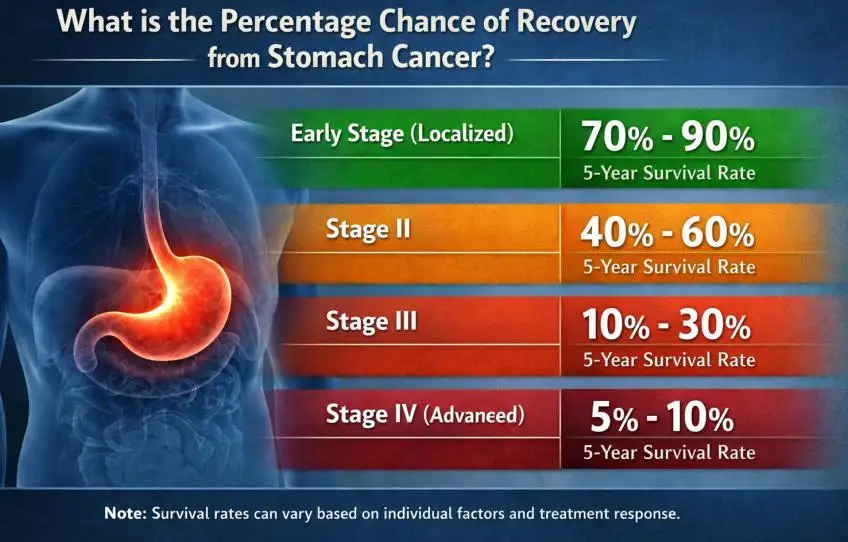
The prognosis for stage 3 gastric cancer varies widely. Survival depends on tumor spread, lymph node involvement, response to treatment, and overall health.
| Substage | Approximate 5-Year Survival Rate |
|---|---|
| Stage 3A | 30–40% |
| Stage 3B | 15–25% |
| Stage 3C | 5–15% |
Early diagnosis, complete surgical removal, and effective chemotherapy can significantly improve outcomes.
Latest Research and Innovations
Ongoing research is improving how doctors manage stage 3 gastric cancer.
Key innovations include:
-
Personalized medicine using genetic tumor profiling
-
Improved immunotherapy drugs targeting immune checkpoints
-
Minimally invasive surgical techniques
-
Enhanced chemotherapy combinations with fewer side effects
-
Liquid biopsies for monitoring treatment response
These advances offer new hope for improving survival and quality of life.
Coping and Support for Patients
Living with stage 3 gastric cancer can be emotionally and physically challenging. Support plays a vital role in recovery.
Helpful coping strategies include:
-
Counseling or psychological support
-
Nutritional guidance to manage appetite and digestion
-
Joining cancer support groups
-
Involving family members in care decisions
-
Palliative care for symptom management alongside treatment
Comprehensive support improves both mental well-being and treatment adherence.
Conclusion
The characteristics of stage 3 gastric cancer reflect a locally advanced disease that requires timely, aggressive, and coordinated treatment. While the diagnosis can feel overwhelming, advances in surgery, chemotherapy, and targeted therapies continue to improve outcomes. Understanding symptoms, risk factors, and treatment options empowers patients to take an active role in their care and seek help early.
FAQ
1. What defines stage 3 gastric cancer?
Stage 3 gastric cancer is defined by deep tumor invasion into the stomach wall and significant involvement of nearby lymph nodes, without distant organ spread.
2. Is stage 3 gastric cancer curable?
In some cases, yes. Aggressive treatment combining surgery and chemotherapy can lead to long-term survival, especially in stage 3A and 3B.
3. What are the main characteristics of stage 3 gastric cancer?
Key characteristics include advanced local tumor growth, lymph node involvement, noticeable symptoms, and the need for multimodal treatment.
4. How long can someone live with stage 3 gastric cancer?
Survival varies widely. With effective treatment, some patients live many years, while prognosis depends on substage and response to therapy.
5. Can lifestyle changes help during treatment?
Yes. Proper nutrition, avoiding smoking and alcohol, stress management, and regular medical follow-up can support treatment and recovery.