What Is Stage 4 Stomach Cancer? Symptoms, Treatment Options, Survival Rates, and Latest Advances
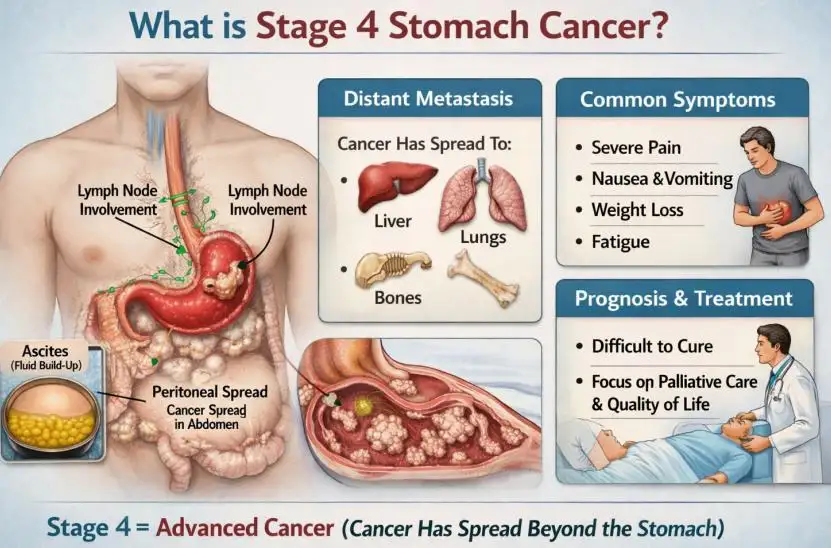
Understanding what is stage 4 stomach cancer can feel overwhelming, especially when you or someone close to you has just received a diagnosis. Stage 4 stomach cancer represents the most advanced stage of gastric cancer, where the disease has spread beyond the stomach to distant organs or tissues. While this stage is serious, advances in treatment and supportive care continue to improve quality of life and survival outcomes for many patients.
In this article, you will learn in clear and practical terms what stage 4 stomach cancer means, how it develops, its symptoms, available treatment options, and what patients and families can expect moving forward. By gaining accurate information, you can make informed decisions and better understand the journey ahead.
Overview
Stage 4 stomach cancer, also known as metastatic gastric cancer, occurs when cancer cells originating in the stomach spread to distant parts of the body such as the liver, lungs, peritoneum, or distant lymph nodes. At this stage, the cancer is generally not considered curable, but it is often treatable with the goal of controlling the disease, relieving symptoms, and extending survival.
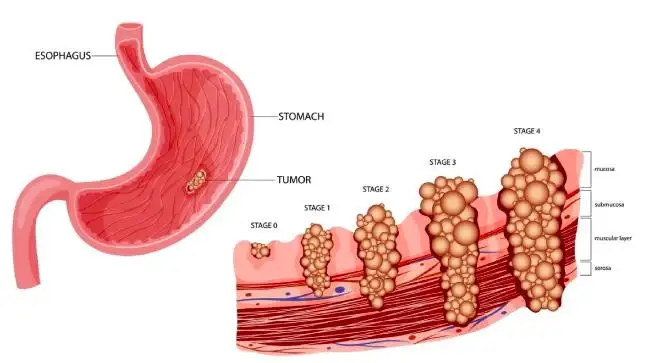
Doctors classify stomach cancer stages using the TNM system, which evaluates tumor size, lymph node involvement, and metastasis. Stage 4 indicates that metastasis has occurred.
| Stage | Description |
|---|---|
| Stage 1 | Cancer limited to inner stomach layers |
| Stage 2 | Deeper invasion and nearby lymph nodes |
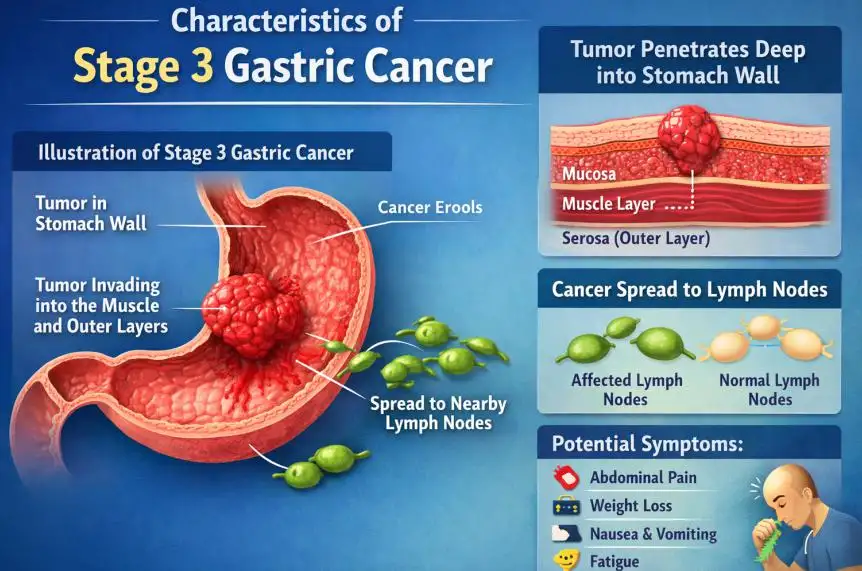
| Stage 3 | Extensive local spread and lymph node involvement |
| Stage 4 | Cancer spread to distant organs |
Types
Although stage 4 refers to the cancer’s spread rather than its type, stomach cancer itself can appear in several forms:
| Type | Description |
|---|---|
| Adenocarcinoma | Most common type, starting in glandular cells |
| Diffuse gastric cancer | Spreads widely through stomach wall |
| Intestinal-type gastric cancer | Forms gland-like structures |
| Gastrointestinal stromal tumors (GIST) | Rare tumors from connective tissue |
| Neuroendocrine tumors | Rare tumors affecting hormone-producing cells |
Understanding the type helps doctors choose the most effective treatment strategy.
Causes and Risk Factors
The exact cause of stomach cancer is not always known, but several factors increase the risk of developing advanced disease:
-
Infection with Helicobacter pylori
-
Long-term stomach inflammation (gastritis)
-
Smoking and heavy alcohol consumption
-
Diet high in salted or smoked foods
-
Family history of gastric cancer
-
Obesity
-
Previous stomach surgery
-
Increasing age
Organizations such as the World Health Organization note that lifestyle and dietary factors play a significant role in gastric cancer risk worldwide.
Symptoms and Early Warning Signs
In early stages, stomach cancer may cause mild or vague symptoms, which is why many cases are diagnosed late. In stage 4, symptoms are usually more noticeable.
Common symptoms include:
-
Persistent stomach pain
-
Unexplained weight loss
-
Loss of appetite
-
Nausea and vomiting
-
Difficulty swallowing
-
Fatigue and weakness
-
Blood in stool or vomiting blood
-
Abdominal swelling due to fluid buildup
If cancer spreads to other organs, symptoms may also include jaundice, shortness of breath, or bone pain.
Diagnosis
Diagnosing stage 4 stomach cancer involves several tests to confirm both the presence of cancer and its spread:
| Diagnostic Method | Purpose |
|---|---|
| Endoscopy with biopsy | Confirms cancer in stomach tissue |
| CT scan or MRI | Detects spread to organs |
| PET scan | Identifies metastatic areas |
| Blood tests | Evaluates organ function |
| Laparoscopy | Examines abdominal spread |
Accurate staging helps doctors create a personalized treatment plan.
Treatment Options
Treatment for stage 4 stomach cancer focuses on controlling disease progression and improving quality of life. Options may include:
-
Chemotherapy to slow cancer growth
-
Targeted therapy aimed at specific cancer proteins
-
Immunotherapy to boost immune response
-
Radiation therapy for symptom relief
-
Palliative surgery to manage complications
-
Supportive care for pain and nutrition management
Treatment plans often combine multiple approaches depending on the patient’s health and tumor characteristics.
Prevention and Lifestyle Recommendations
While stage 4 stomach cancer itself cannot be prevented once diagnosed, certain habits may reduce overall stomach cancer risk:
-
Maintain a balanced diet rich in fruits and vegetables
-
Reduce consumption of processed and smoked foods
-
Avoid smoking
-
Limit alcohol intake
-
Treat H. pylori infections early
-
Maintain a healthy weight
-
Attend regular medical checkups if at high risk
These lifestyle choices contribute to overall digestive health and may reduce cancer risk.
Prognosis and Survival Rates
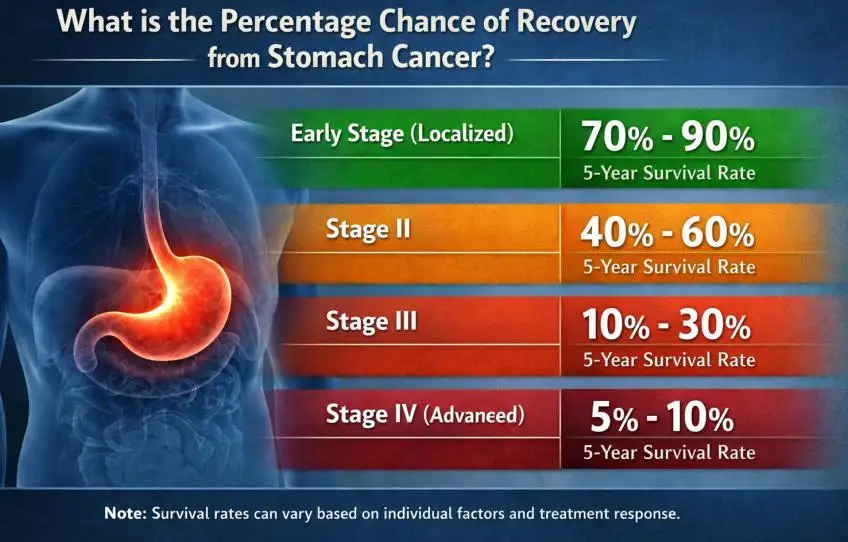
The prognosis for stage 4 stomach cancer varies widely depending on factors such as age, overall health, response to treatment, and extent of metastasis. Survival rates are statistical averages and do not predict individual outcomes.
| Factor | Impact on Prognosis |
|---|---|
| Response to treatment | Strong predictor of survival |
| Number of metastatic sites | Fewer sites generally better |
| Patient’s overall health | Influences treatment tolerance |
| Tumor biology | Some tumors respond better to therapy |
According to data referenced by organizations like the American Cancer Society, ongoing treatment improvements continue to gradually improve survival outcomes.
Latest Research and Innovations
Medical research is rapidly advancing in the treatment of advanced stomach cancer. Recent innovations include:
-
Immunotherapy drugs targeting PD-1 and PD-L1 pathways
-
HER2-targeted therapies
-
Personalized medicine based on genetic testing
-
Combination therapies improving treatment response
-
Clinical trials exploring new drug combinations
These developments offer hope for better disease control and improved quality of life in the future.
Coping and Support for Patients
Living with stage 4 stomach cancer affects both physical and emotional well-being. Patients often benefit from:
-
Psychological counseling
-
Nutrition support
-
Pain management programs
-
Support groups and community resources
-
Family involvement in care decisions
Emotional support and open communication with healthcare providers can significantly improve coping and resilience during treatment.
Conclusion
Understanding what is stage 4 stomach cancer helps patients and families face the diagnosis with clarity and preparedness. Although this stage represents advanced disease, modern treatments continue to provide meaningful symptom relief and extended survival for many individuals. Early medical support, informed decision-making, and strong emotional support systems play essential roles in improving quality of life.
FAQ
1. What is stage 4 stomach cancer?
Stage 4 stomach cancer is the most advanced stage of gastric cancer, where cancer has spread from the stomach to distant organs such as the liver, lungs, or peritoneum.
2. Can stage 4 stomach cancer be cured?
In most cases, it is not considered curable, but treatments can control cancer growth and improve quality of life.
3. How long can someone live with stage 4 stomach cancer?
Survival varies widely depending on treatment response, overall health, and cancer characteristics.
4. What are the main symptoms of stage 4 stomach cancer?
Common symptoms include weight loss, persistent stomach pain, fatigue, nausea, and symptoms related to metastasis.
5. Is chemotherapy always required?
Not always. Treatment plans differ for each patient and may include chemotherapy, targeted therapy, immunotherapy, or supportive care depending on individual needs.