Stage 4 Stomach Cancer Survival Rates: Prognosis, Treatment Options, and What Patients Need to Know
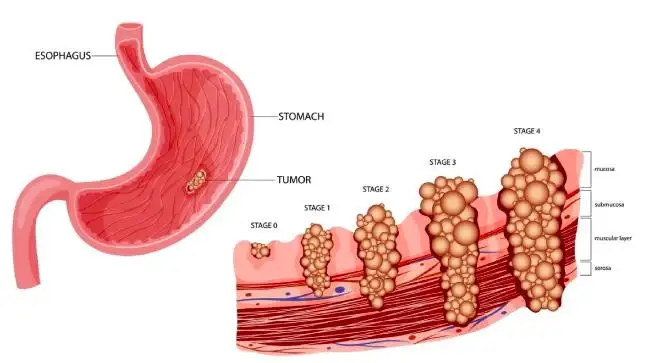
Stage 4 stomach cancer survival rates are often one of the first concerns for patients and families after receiving a diagnosis. At this advanced stage, cancer has spread to distant organs or lymph nodes, making treatment more complex. However, understanding survival statistics, available therapies, and supportive care options can empower patients to make informed decisions and maintain quality of life.
Although the phrase “stage 4” can feel overwhelming, medical advances continue to improve outcomes. New targeted therapies, immunotherapy, and personalized treatment plans are changing the outlook for many patients. In this article, we will explore stage 4 stomach cancer survival rates in detail, along with causes, symptoms, diagnosis, treatment options, and coping strategies.
Overview of Stage 4 Stomach Cancer
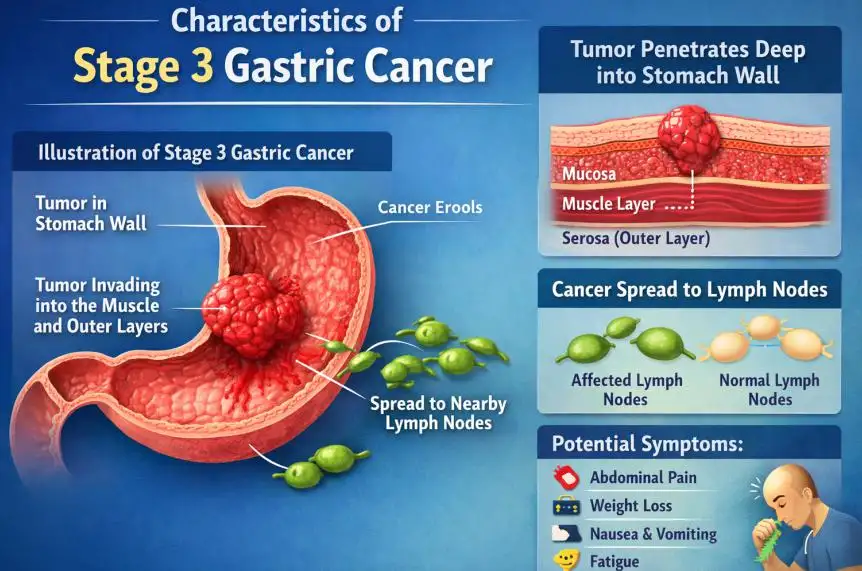
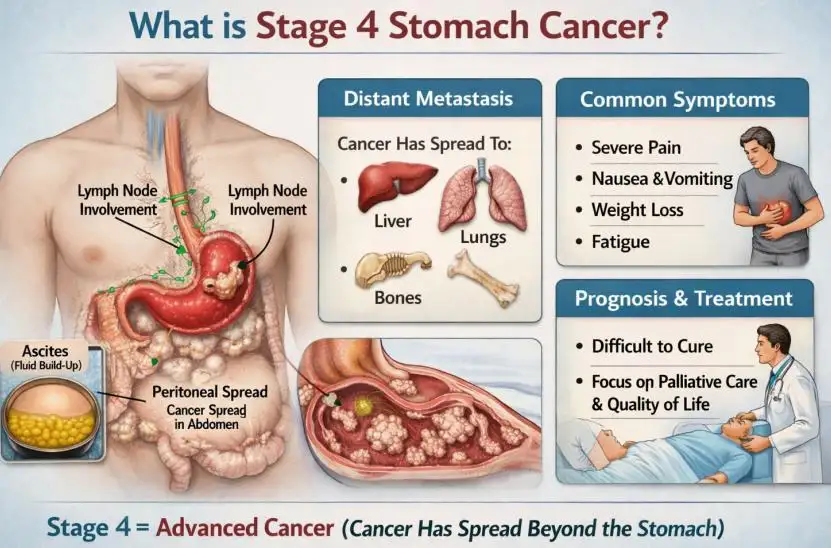
Stage 4 stomach cancer, also known as metastatic gastric cancer, occurs when cancer cells spread beyond the stomach to distant parts of the body, such as the liver, lungs, bones, or peritoneum. At this stage, the disease is considered advanced, and treatment is typically focused on controlling symptoms, slowing progression, and improving quality of life.
Key characteristics of stage 4 stomach cancer include:
-
Distant organ metastasis
-
Extensive lymph node involvement
-
Advanced tumor growth beyond the stomach wall
-
Limited surgical options due to widespread disease
Types of Stomach Cancer
Several types of stomach cancer exist, each with different biological behaviors and treatment responses.
| Type of Stomach Cancer | Description |
|---|---|
| Adenocarcinoma | Most common type, arises from stomach lining |
| Lymphoma | Develops in immune tissue of the stomach |
| Gastrointestinal Stromal Tumors (GIST) | Rare tumors from connective tissue |
| Neuroendocrine Tumors | Originate from hormone-producing cells |
Adenocarcinoma accounts for over 90% of cases and is the main contributor to reported stage 4 stomach cancer survival rates.
Causes and Risk Factors
Understanding risk factors can help identify individuals at higher risk and promote early screening.
Common causes and risk factors include:
-
Chronic Helicobacter pylori infection
-
Smoking and excessive alcohol consumption
-
Diet high in salted or processed foods
-
Family history of gastric cancer
-
Obesity and poor nutritional habits
-
Long-term stomach inflammation or ulcers
While not all risk factors are preventable, lifestyle changes can significantly reduce overall risk.
Symptoms and Early Warning Signs
Early-stage stomach cancer may show mild or no symptoms, but stage 4 disease often presents noticeable signs.
Common symptoms include:
-
Persistent abdominal pain or discomfort
-
Unexplained weight loss
-
Loss of appetite and early satiety
-
Nausea and vomiting
-
Difficulty swallowing
-
Fatigue and weakness
-
Blood in stool or anemia
Prompt medical evaluation of persistent digestive symptoms can improve early detection and outcomes.
Diagnosis of Stage 4 Stomach Cancer
Accurate diagnosis is crucial for determining treatment strategy and prognosis.
Diagnostic methods commonly include:
-
Endoscopy with biopsy
-
CT scans and MRI imaging
-
PET scans to detect metastasis
-
Blood tests and tumor markers
-
Laparoscopy for staging assessment
These tests help determine cancer spread and confirm stage 4 classification.
Treatment Options
Although stage 4 stomach cancer is not typically curable, treatment focuses on prolonging survival and enhancing quality of life.
Common Treatment Approaches
-
Chemotherapy: Slows cancer growth and reduces symptoms
-
Targeted Therapy: Attacks specific cancer cell proteins
-
Immunotherapy: Boosts immune response against cancer cells
-
Radiation Therapy: Used for symptom relief
-
Palliative Surgery: Improves comfort and digestion
Treatment Goals
| Goal | Purpose |
|---|---|
| Disease control | Slow tumor progression |
| Symptom relief | Reduce pain and discomfort |
| Quality of life | Maintain daily function |
| Survival extension | Improve life expectancy |
Combination therapies often offer better disease management compared to single treatments.
Prevention and Lifestyle Recommendations
While stage 4 cancer prevention focuses on early detection, lifestyle changes still play a vital role.
Recommended habits include:
-
Eating a balanced diet rich in fruits and vegetables
-
Reducing processed and smoked foods
-
Avoiding tobacco use
-
Limiting alcohol consumption
-
Maintaining healthy body weight
-
Managing chronic stomach infections
Routine health checkups can also help detect early warning signs.
Prognosis and Survival Rates
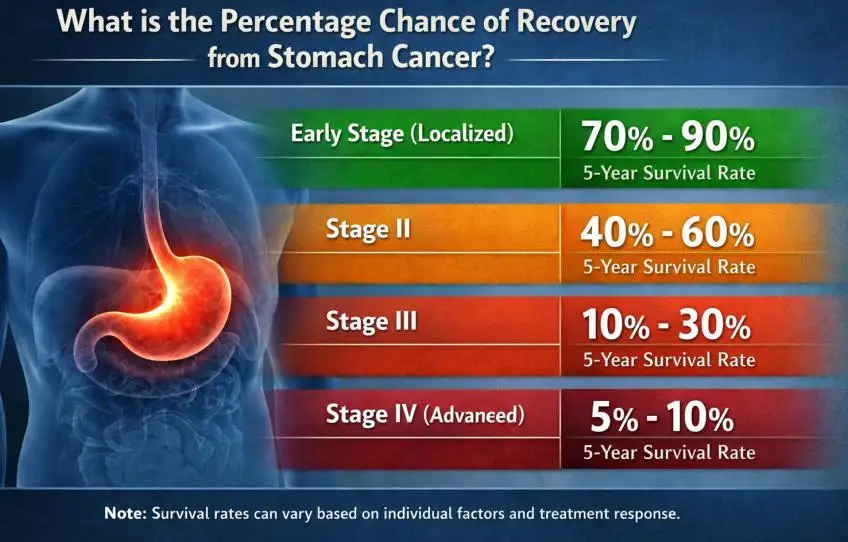
Stage 4 stomach cancer survival rates vary depending on patient health, response to treatment, and cancer biology.
Average Survival Statistics
| Time Frame | Survival Rate |
|---|---|
| 1-year survival | 30–40% |
| 3-year survival | 10–15% |
| 5-year survival | 5–7% |
It is important to remember that these numbers represent averages. Many patients live longer due to personalized treatments and improved medical care. Individual prognosis depends on factors such as:
-
Age and overall health
-
Treatment response
-
Location and extent of metastasis
-
Genetic tumor characteristics
Latest Research and Innovations
Medical research continues to improve outcomes for advanced gastric cancer patients.
Recent innovations include:
-
Precision medicine using genetic profiling
-
Advanced immunotherapy drugs
-
Combination targeted therapies
-
AI-assisted diagnostic imaging
-
Clinical trials exploring novel treatment protocols
Participation in clinical trials may provide access to cutting-edge therapies and improve survival prospects.
Coping and Support for Patients
A stage 4 diagnosis affects both physical and emotional well-being. Support systems play a crucial role in patient care.
Helpful coping strategies include:
-
Joining cancer support groups
-
Seeking counseling or therapy
-
Practicing stress-reduction techniques
-
Maintaining open communication with healthcare providers
-
Building strong family and social support networks
Emotional care is just as important as medical treatment in managing advanced cancer.
Conclusion
Stage 4 stomach cancer survival rates highlight the seriousness of advanced gastric cancer, but they also show hope through medical progress. While the disease remains challenging, modern treatment options, personalized care plans, and supportive therapies continue to improve outcomes and quality of life.
By staying informed, seeking early medical attention, and exploring all available treatment pathways, patients and families can take an active role in managing the disease. Knowledge, support, and ongoing research are powerful tools in the fight against advanced stomach cancer.
FAQ
1. What is the average life expectancy for stage 4 stomach cancer?
Life expectancy varies, but many patients live 6 to 24 months depending on treatment response and overall health.
2. Can stage 4 stomach cancer be cured?
Currently, stage 4 stomach cancer is not considered curable. However, treatment can slow progression and improve survival.
3. Does chemotherapy improve survival rates?
Yes, chemotherapy and combination therapies have been shown to extend survival and reduce symptoms in many patients.
4. Are survival rates improving?
Yes, survival rates are gradually improving due to targeted therapies, immunotherapy, and personalized treatment strategies.
5. Should patients consider clinical trials?
Clinical trials can offer access to innovative treatments and may provide better outcomes for some patients.