What Is the Percentage Chance of Recovery From Stomach Cancer? Complete Guide to Survival Rates, Treatment
When someone hears a diagnosis of stomach cancer, one of the first questions that often comes to mind is: what is the percentage chance of recovery from stomach cancer? This is a natural concern, as patients and families want to understand the outlook, treatment possibilities, and factors that influence survival. While statistics can provide guidance, it is important to remember that every individual’s situation is unique.
Advances in medical technology, earlier detection, and improved treatment strategies have significantly increased survival rates in many cases. Understanding how recovery percentages are calculated, what influences prognosis, and how treatment choices impact outcomes can help patients make informed decisions and maintain realistic optimism throughout their journey.
Overview
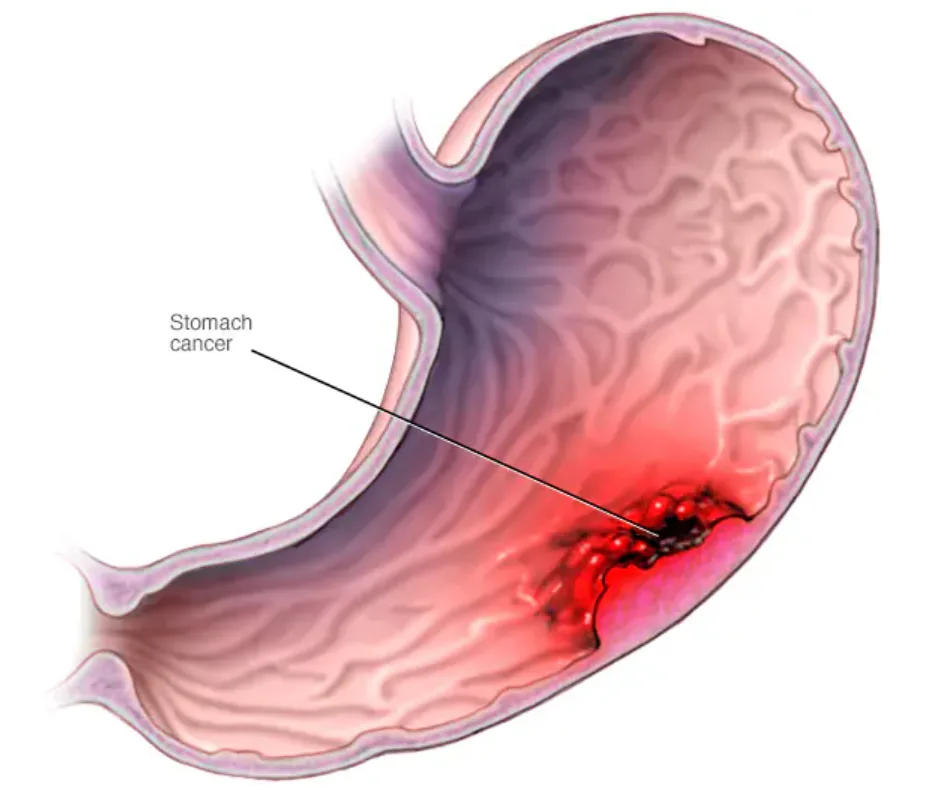
Stomach cancer, also known as gastric cancer, occurs when malignant cells develop in the lining of the stomach. It often develops slowly over many years, sometimes beginning with precancerous changes that may not cause noticeable symptoms at first.
The percentage chance of recovery from stomach cancer largely depends on the stage at diagnosis, overall health, tumor type, and response to treatment. Early-stage stomach cancer has significantly higher recovery rates compared to advanced stages, highlighting the importance of early detection and timely medical care.
Types of Stomach Cancer
Different types of stomach cancer can influence treatment decisions and survival outcomes. The most common types include:
| Type of Stomach Cancer | Description | Frequency |
|---|---|---|
| Adenocarcinoma | Cancer starting in the stomach lining cells | About 90–95% |
| Lymphoma | Cancer of immune system tissue in the stomach | Less common |
| Gastrointestinal stromal tumors (GIST) | Tumors from connective tissue cells | Rare |
| Neuroendocrine tumors | Tumors from hormone-producing cells | Rare |
Adenocarcinoma is the most frequently diagnosed form and is typically the focus of survival statistics when discussing recovery percentages.
Causes and Risk Factors
The exact cause of stomach cancer is not always known, but several factors increase the risk:
-
Infection with Helicobacter pylori
-
Smoking and excessive alcohol consumption
-
Diet high in salted, smoked, or processed foods
-
Family history of gastric cancer
-
Chronic stomach inflammation
-
Obesity
-
Older age (usually over 50)
Organizations such as the World Health Organization emphasize lifestyle and dietary factors as significant contributors to gastric cancer risk worldwide.
Symptoms and Early Warning Signs
Early stomach cancer may not produce noticeable symptoms, which is why many cases are diagnosed at later stages. However, warning signs may include:
-
Persistent indigestion or heartburn
-
Unexplained weight loss
-
Loss of appetite
-
Nausea or vomiting
-
Feeling full quickly after eating small amounts
-
Stomach pain or discomfort
-
Blood in stool or vomiting blood
If these symptoms persist, medical evaluation is essential for early detection and better recovery chances.
Diagnosis
Doctors use several methods to diagnose stomach cancer and determine its stage:
| Diagnostic Method | Purpose |
|---|---|
| Endoscopy | Visual examination of the stomach lining |
| Biopsy | Confirmation of cancer cells |
| CT scan or MRI | Determining spread of cancer |
| Endoscopic ultrasound | Evaluating tumor depth |
| Blood tests | Assessing overall health |
Early and accurate staging is critical because it directly affects treatment planning and the percentage chance of recovery from stomach cancer.
Treatment Options
Treatment depends on cancer stage, location, and patient health. Common treatment options include:
-
Surgery to remove part or all of the stomach
-
Chemotherapy to destroy cancer cells
-
Radiation therapy
-
Targeted therapy
-
Immunotherapy
According to the American Cancer Society, combining treatments often improves outcomes, especially when cancer is detected early.
Prevention and Lifestyle Recommendations
While not all cases are preventable, certain lifestyle choices may reduce risk and improve recovery outcomes:
-
Eat a balanced diet rich in fruits and vegetables
-
Limit processed and smoked foods
-
Stop smoking
-
Maintain a healthy body weight
-
Treat H. pylori infections promptly
-
Undergo regular medical checkups if at high risk
Healthy habits can support both prevention and recovery by strengthening the immune system and overall health.
Prognosis and Survival Rates
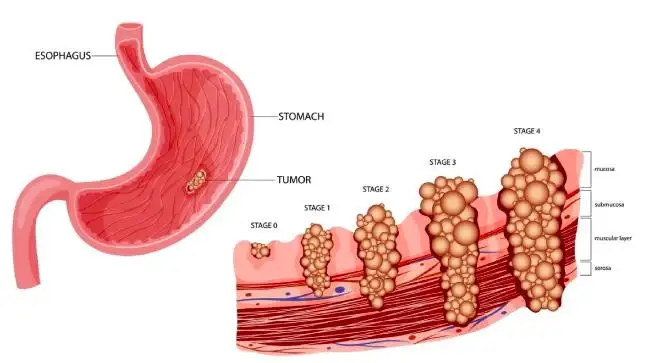
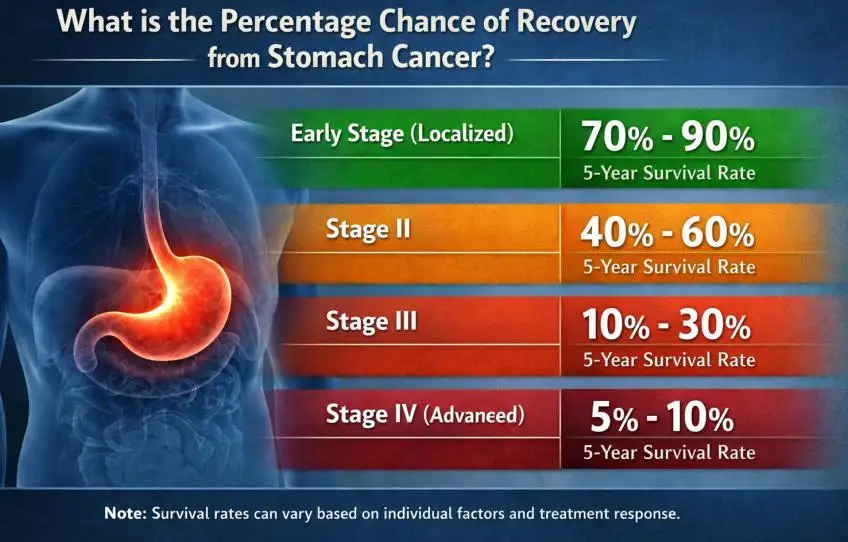
So, what is the percentage chance of recovery from stomach cancer? Survival rates are typically expressed as five-year survival rates, meaning the percentage of patients alive five years after diagnosis.
| Stage of Stomach Cancer | Estimated 5-Year Survival Rate |
|---|---|
| Stage I (early stage) | 65–75% or higher |
| Stage II | 30–50% |
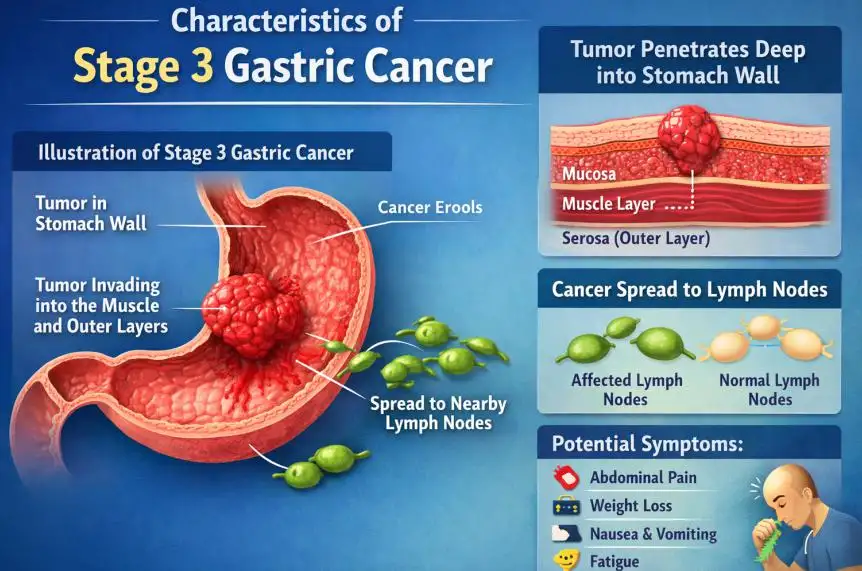
| Stage III | 10–30% |
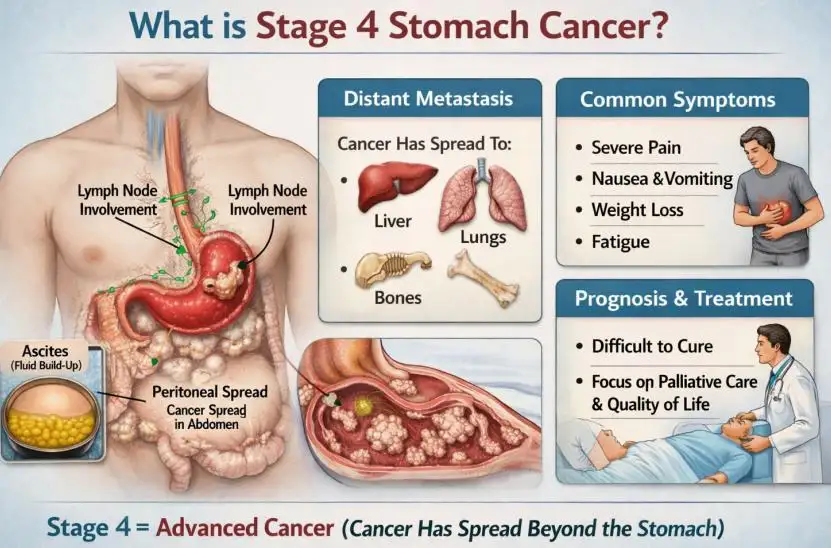
| Stage IV (advanced) | Around 5% |
These numbers are averages and do not predict individual outcomes. Many patients live longer due to improved treatments, early detection, and personalized care plans.
Latest Research and Innovations
Medical research continues to improve recovery possibilities. Recent advancements include:
-
Immunotherapy that helps the immune system attack cancer cells
-
Precision medicine based on genetic tumor profiling
-
Minimally invasive surgical techniques
-
Improved chemotherapy combinations
Leading medical centers such as Mayo Clinic are actively researching targeted treatments aimed at improving survival and quality of life for stomach cancer patients.
Coping and Support for Patients
A stomach cancer diagnosis affects not only physical health but also emotional well-being. Patients may benefit from:
-
Counseling or psychological support
-
Cancer support groups
-
Nutritional guidance
-
Family involvement in care decisions
Maintaining open communication with healthcare providers and seeking emotional support can significantly improve quality of life during treatment.
Conclusion
Understanding what is the percentage chance of recovery from stomach cancer helps patients and families set realistic expectations while maintaining hope. Recovery chances vary widely depending on the stage of cancer, overall health, and treatment response. Early detection remains the most important factor in improving survival rates, and ongoing medical advancements continue to offer new opportunities for effective treatment and long-term survival.
FAQ
1. What is the average survival rate for stomach cancer?
The average five-year survival rate varies widely but is significantly higher when cancer is detected at an early stage.
2. Can stomach cancer be completely cured?
Yes, especially when diagnosed early and treated with surgery and appropriate therapies.
3. Does age affect recovery chances?
Older age may influence recovery due to other health conditions, but treatment outcomes vary individually.
4. How can survival chances be improved?
Early diagnosis, following treatment plans, maintaining good nutrition, and adopting healthy lifestyle habits all contribute to better outcomes.
5. Is stomach cancer always fatal?
No. Many patients recover or live long-term with proper treatment, particularly when diagnosed early.