How to Test for Stomach Cancer – Complete Guide to Early Detection, Diagnosis, and Prevention
Stomach cancer, also known as gastric cancer, is a serious disease that often develops silently in its early stages. Many people only seek medical help when symptoms become severe, which can make treatment more challenging. Understanding how to test for stomach cancer is essential for early detection, improving survival rates, and ensuring timely medical care.
With modern diagnostic technology, doctors now have several accurate and reliable methods to identify stomach cancer. This comprehensive guide explains the testing process, symptoms, risk factors, treatment options, and prevention strategies in a clear, professional, and easy-to-understand way.
Overview
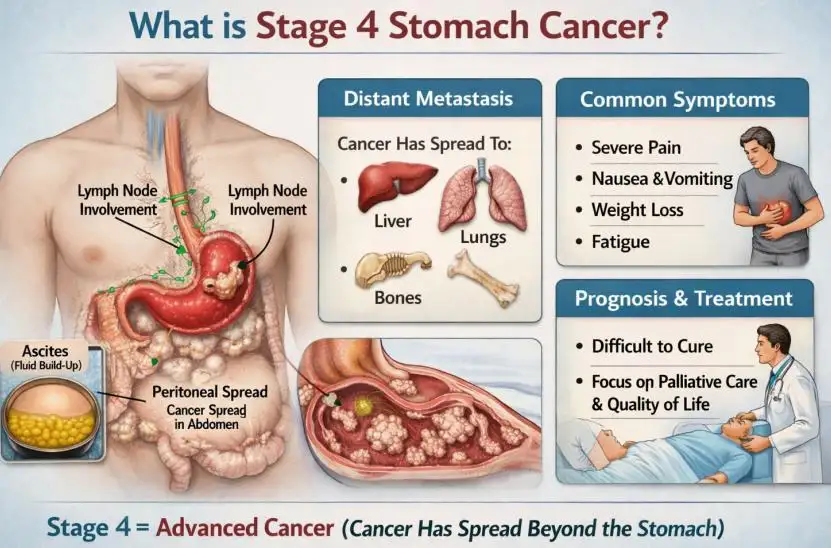
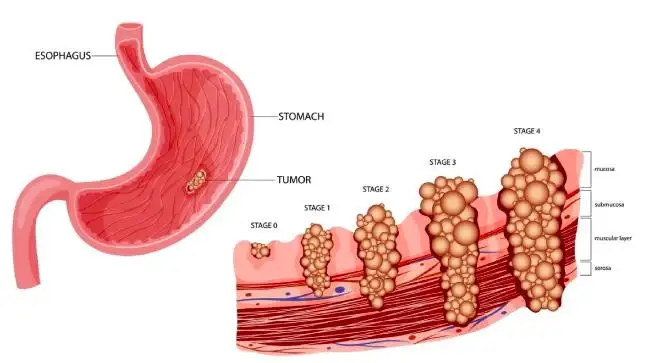
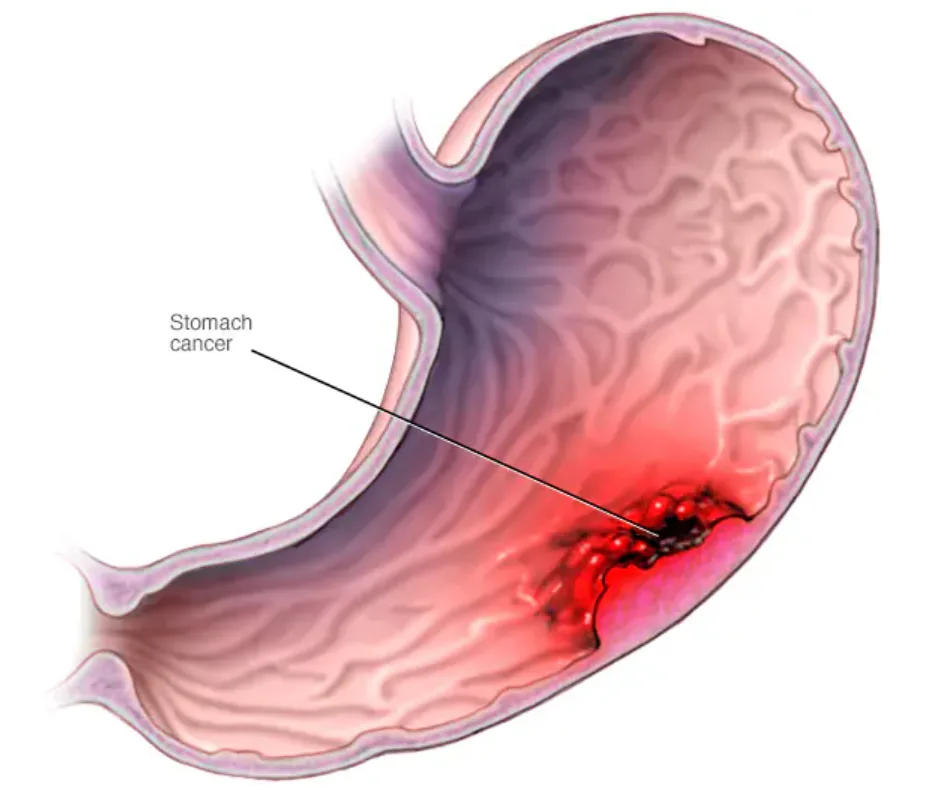
Stomach cancer begins in the lining of the stomach and can spread to nearby organs if not detected early. While it is more common in older adults, anyone can be at risk depending on lifestyle, genetics, and medical history.
Knowing how to test for stomach cancer allows individuals to recognize warning signs and seek appropriate screening, especially if they belong to a high-risk group.
Types of Stomach Cancer
Different types of stomach cancer develop from various stomach cells:
| Type | Description |
|---|---|
| Adenocarcinoma | Most common type, starts in the stomach lining |
| Lymphoma | Develops in immune system tissues |
| Gastrointestinal Stromal Tumor (GIST) | Forms in connective tissues |
| Carcinoid Tumors | Grow from hormone-producing cells |
Understanding the type helps doctors choose the most effective treatment plan.
Causes and Risk Factors
Several factors increase the risk of developing stomach cancer:
| Risk Factor | Explanation |
|---|---|
| Helicobacter pylori infection | Causes chronic stomach inflammation |
| Smoking | Damages stomach lining |
| Poor diet | High in salty or smoked foods |
| Family history | Genetic predisposition |
| Age | Higher risk after 50 |
| Alcohol | Irritates stomach tissues |
Reducing these risks can help lower your chances of developing the disease.
Symptoms and Early Warning Signs
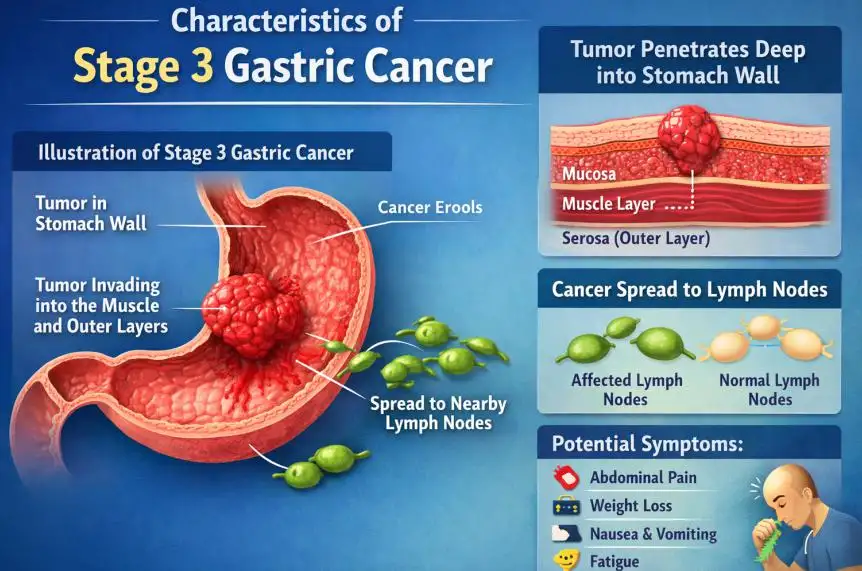
Early stomach cancer may not cause noticeable symptoms. However, warning signs include:
-
Persistent indigestion
-
Stomach pain
-
Loss of appetite
-
Unexplained weight loss
-
Nausea or vomiting
-
Blood in stool
-
Fatigue
If these symptoms last more than two weeks, it’s important to learn how to test for stomach cancer and consult a doctor.
Diagnosis
Testing for stomach cancer involves several medical procedures:
| Test | Purpose |
|---|---|
| Endoscopy | Visual examination of stomach lining |
| Biopsy | Confirms cancer cells |
| CT Scan | Detects tumor spread |
| Blood Tests | Checks overall health |
| Barium X-ray | Shows stomach abnormalities |
Endoscopy with biopsy remains the most reliable method for diagnosing stomach cancer.
Treatment Options
Treatment depends on the stage and type of cancer:
| Treatment | Purpose |
|---|---|
| Surgery | Removes tumor |
| Chemotherapy | Kills cancer cells |
| Radiation | Shrinks tumors |
| Targeted Therapy | Attacks specific cancer cells |
| Immunotherapy | Boosts immune response |
Early-stage cancer often has better treatment outcomes.
Prevention and Lifestyle Recommendations
Lower your risk with healthy habits:
-
Eat fruits and vegetables
-
Avoid smoking
-
Limit alcohol
-
Treat H. pylori infection
-
Exercise regularly
-
Get regular screenings if high-risk
Knowing how to test for stomach cancer is part of proactive health care.
Prognosis and Survival Rates
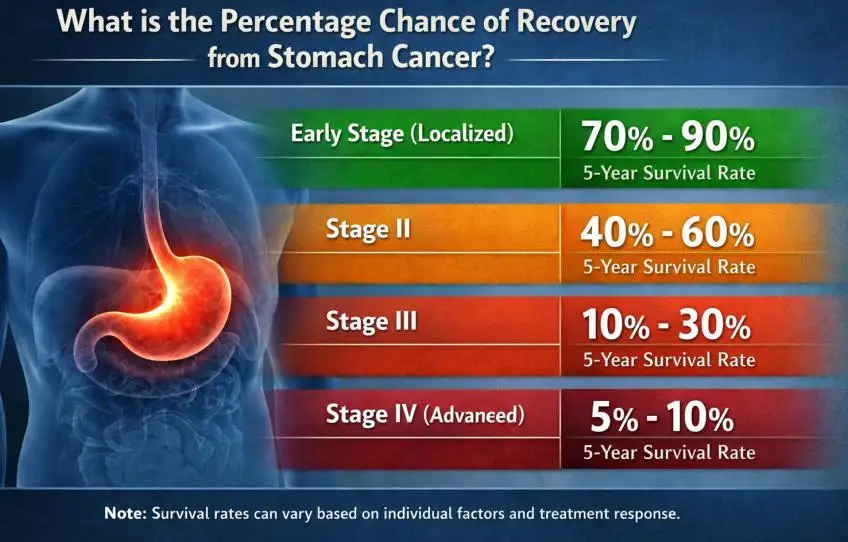
Survival rates depend on how early the cancer is detected:
| Stage | 5-Year Survival Rate |
|---|---|
| Early Stage | 65–70% |
| Advanced Stage | 10–30% |
Early testing significantly improves survival chances.
Latest Research and Innovations
Medical research is improving stomach cancer care:
-
AI-assisted endoscopy
-
Liquid biopsy tests
-
Personalized cancer vaccines
-
New immunotherapy drugs
These innovations make how to test for stomach cancer more accurate and less invasive.
Coping and Support for Patients
A stomach cancer diagnosis can be emotionally challenging. Support options include:
-
Counseling
-
Patient support groups
-
Nutrition therapy
-
Family involvement
-
Mental health services
Emotional well-being is just as important as physical treatment.
Conclusion
Understanding how to test for stomach cancer empowers you to take control of your health. Early detection through proper screening can save lives and improve treatment success. By recognizing symptoms, managing risk factors, and staying informed, you can protect yourself and your loved ones from this serious disease.
FAQ
1. Who should get tested for stomach cancer?
People with persistent symptoms, family history, or H. pylori infection should consider testing.
2. Is stomach cancer testing painful?
Most tests, like endoscopy, are performed with sedation for comfort.
3. How often should I get screened?
High-risk individuals may need regular screening every 1–2 years.
4. Can blood tests detect stomach cancer?
Blood tests support diagnosis but cannot confirm cancer alone.
5. Is stomach cancer preventable?
Many cases can be prevented through lifestyle changes and early detection.