Back Pain Due to Myeloma: Causes, Symptoms, Diagnosis, and Effective Treatment Options

Back pain is one of the most common health complaints worldwide, but when it becomes persistent, severe, or unexplained, it may signal a more serious underlying condition. One such cause is back pain due to myeloma, a symptom often associated with multiple myeloma, a cancer of plasma cells in the bone marrow. Because the spine is frequently affected, back pain can be one of the earliest and most noticeable warning signs.
Understanding the link between back pain and myeloma is essential for early detection and timely treatment. This article provides a comprehensive, easy-to-understand guide on back pain due to myeloma, including causes, symptoms, diagnosis, treatment options, and practical lifestyle recommendations to help patients and caregivers make informed decisions.
Overview
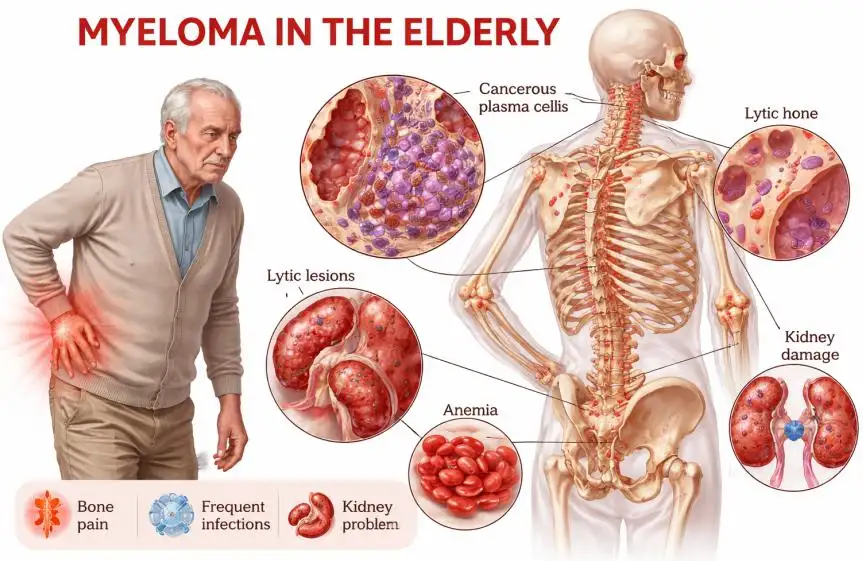
Back pain due to myeloma occurs when abnormal plasma cells accumulate in the bone marrow and weaken the bones, particularly the vertebrae. This can lead to bone destruction, fractures, and nerve compression, all of which contribute to chronic or acute pain.
Multiple myeloma primarily affects older adults and often progresses silently before symptoms become obvious. Since back pain is a common symptom for many benign conditions, recognizing red flags specific to myeloma-related pain is critical for early intervention.
Types of Myeloma-Related Back Pain
| Type of Pain | Description | Common Causes |
|---|---|---|
| Mechanical Pain | Worsens with movement or posture | Vertebral fractures, bone instability |
| Neuropathic Pain | Sharp, burning, or radiating pain | Nerve compression, spinal cord involvement |
| Inflammatory Pain | Persistent pain with stiffness | Bone marrow inflammation |
| Referred Pain | Pain felt in other areas | Compression of nearby nerves |
Each type requires a tailored treatment approach, highlighting the importance of accurate diagnosis.
Causes and Risk Factors
Main Causes
-
Bone lesions caused by cancer cell activity
-
Vertebral compression fractures
-
Tumor growth within the spine
-
Nerve root or spinal cord compression
Risk Factors
-
Age over 60
-
Family history of blood cancers
-
Male gender
-
Obesity and sedentary lifestyle
-
Exposure to radiation or certain chemicals
-
Weakened immune system
People with these risk factors should take persistent back pain seriously and seek medical evaluation.
Symptoms and Early Warning Signs
Recognizing early symptoms of back pain due to myeloma can significantly improve outcomes.
Common Symptoms
-
Persistent lower or upper back pain
-
Pain that worsens at night or while resting
-
Sudden height loss or spinal deformity
-
Fatigue and weakness
-
Frequent infections
-
Bone tenderness or fractures with minimal trauma
Red Flags That Require Immediate Attention
-
Numbness or tingling in the legs
-
Difficulty walking
-
Loss of bladder or bowel control
-
Severe, unexplained pain
These signs may indicate spinal cord compression and require urgent care.
Diagnosis
Diagnosing back pain due to myeloma involves a combination of clinical evaluation and advanced testing.
Diagnostic Methods
| Test | Purpose |
|---|---|
| Blood Tests | Detect abnormal proteins and anemia |
| Urine Tests | Identify myeloma protein (Bence Jones protein) |
| X-rays | Detect bone damage |
| MRI | Evaluate spinal involvement |
| CT Scan | Assess bone structure |
| Bone Marrow Biopsy | Confirm diagnosis |
Early and accurate diagnosis allows for more effective treatment planning.
Treatment Options
Treatment for back pain due to myeloma focuses on controlling cancer growth and managing pain.
Medical Treatments
-
Chemotherapy and targeted therapy
-
Immunotherapy
-
Corticosteroids
-
Bisphosphonates to strengthen bones
Pain Management
-
Prescription pain relievers
-
Nerve pain medications
-
Physical therapy
-
Radiation therapy for localized pain
Surgical Options
-
Vertebroplasty or kyphoplasty for spinal fractures
-
Decompression surgery for nerve compression
A personalized treatment plan offers the best chance of symptom control and improved quality of life.
Prevention and Lifestyle Recommendations
While myeloma cannot always be prevented, certain habits can reduce complications related to back pain due to myeloma.
Healthy Lifestyle Tips
-
Maintain good posture and spinal alignment
-
Engage in low-impact exercises such as walking or swimming
-
Consume calcium and vitamin D-rich foods
-
Avoid smoking and excessive alcohol
-
Maintain a healthy body weight
Bone Health Support
-
Regular bone density monitoring
-
Fall prevention strategies
-
Proper ergonomic support during daily activities
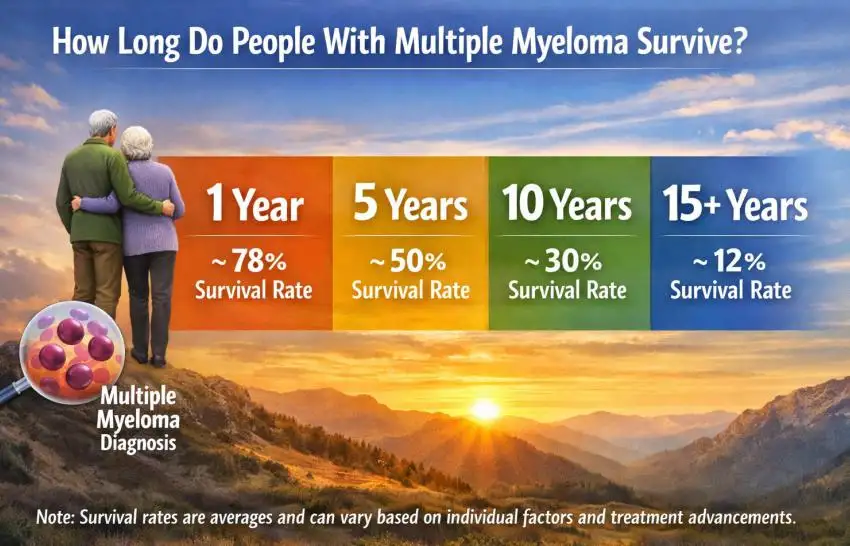
Prognosis and Survival Rates
The prognosis for patients experiencing back pain due to myeloma varies depending on disease stage, treatment response, and overall health.
Prognostic Factors
-
Early diagnosis
-
Treatment effectiveness
-
Genetic markers
-
Presence of organ damage
With modern therapies, many patients now achieve long-term remission and improved survival rates compared to previous decades.
Latest Research and Innovations
Medical research continues to improve outcomes for people with back pain due to myeloma.
Emerging Advances
-
CAR-T cell therapy
-
Next-generation immunotherapies
-
Personalized medicine approaches
-
Improved imaging for early detection
-
Novel bone-strengthening drugs
These innovations are transforming myeloma care and offering renewed hope to patients.
Coping and Support for Patients
Living with back pain due to myeloma can be physically and emotionally challenging. Support systems play a crucial role in recovery.
Emotional and Practical Support
-
Join patient support groups
-
Seek counseling or therapy
-
Communicate openly with healthcare providers
-
Lean on family and friends
Daily Coping Strategies
-
Use heat or cold therapy
-
Practice relaxation techniques
-
Maintain a balanced routine
-
Prioritize rest and sleep
Conclusion
Back pain due to myeloma is more than just a discomfort—it can be an important warning sign of a serious underlying condition. Early recognition, accurate diagnosis, and comprehensive treatment can significantly improve patient outcomes and quality of life. By staying informed, adopting healthy habits, and working closely with healthcare professionals, patients can better manage symptoms and move forward with confidence.
If you or a loved one experiences persistent or unusual back pain, do not ignore it. Early action can make a life-changing difference.
FAQ
1. What makes back pain due to myeloma different from regular back pain?
Myeloma-related back pain is often persistent, worsens at rest or night, and may be associated with fractures or neurological symptoms.
2. Can back pain be the first sign of multiple myeloma?
Yes, back pain is frequently one of the earliest symptoms because the spine is commonly affected.
3. Is back pain due to myeloma treatable?
Yes, treatment options such as medications, radiation therapy, and minimally invasive procedures can effectively manage pain.
4. How long can someone live with myeloma-related back pain?
Survival varies based on disease stage and treatment response. Advances in therapy have significantly improved life expectancy.
5. When should I see a doctor for back pain?
Seek medical evaluation if pain persists for weeks, worsens over time, occurs at night, or is accompanied by neurological symptoms.