Myeloma in the Elderly: Causes, Symptoms, Treatment Options, and Life Expectancy Explained
Myeloma in the elderly is a growing health concern as populations age worldwide. Multiple myeloma is a type of blood cancer that affects plasma cells in the bone marrow, and it is most commonly diagnosed in people over the age of 65. Because aging brings natural changes to the immune system and overall health, older adults often experience unique challenges when facing this condition.
Understanding myeloma in the elderly is essential for early detection, effective treatment, and improved quality of life. In this comprehensive guide, you will learn about causes, symptoms, diagnosis, treatment options, and the latest research, empowering you or your loved ones to make informed decisions and take proactive steps toward better health.
Overview of Myeloma in the Elderly
Multiple myeloma is a cancer of plasma cells, which normally help fight infections by producing antibodies. In elderly patients, abnormal plasma cells multiply uncontrollably, crowding out healthy cells and weakening the immune system.
Older adults are more vulnerable due to age-related immune decline and the presence of other chronic conditions. Early diagnosis and personalized treatment plans play a crucial role in managing myeloma in the elderly and maintaining functional independence.
Key Facts About Myeloma in Older Adults
| Factor | Details |
|---|---|
| Age Group Most Affected | 65 years and older |
| Common Site | Bone marrow |
| Primary Impact | Immune suppression, bone damage |
| Treatment Approach | Individualized based on overall health |
| Survival Improvement | Increasing due to modern therapies |
Types of Myeloma
There are several types of multiple myeloma, and each can present differently in elderly patients:
-
Smoldering Myeloma – Early stage with no symptoms but requires monitoring.
-
Active Multiple Myeloma – Symptomatic disease requiring immediate treatment.
-
Light Chain Myeloma – Produces abnormal light chain proteins that can affect kidneys.
-
Non-Secretory Myeloma – Rare form without detectable abnormal proteins in blood or urine.
Understanding the specific type helps doctors tailor treatment for elderly patients.
Causes and Risk Factors
The exact cause of multiple myeloma is unknown, but several factors increase the risk of developing myeloma in the elderly.
Common Risk Factors
| Risk Factor | Explanation |
|---|---|
| Advanced Age | Risk increases significantly after 60 |
| Family History | Genetic predisposition may play a role |
| Weakened Immune System | Reduced immune defense with aging |
| Exposure to Chemicals | Long-term exposure to toxins |
| Chronic Inflammation | May contribute to abnormal cell growth |
Lifestyle and environmental factors combined with biological aging contribute to the higher prevalence among seniors.
Symptoms and Early Warning Signs
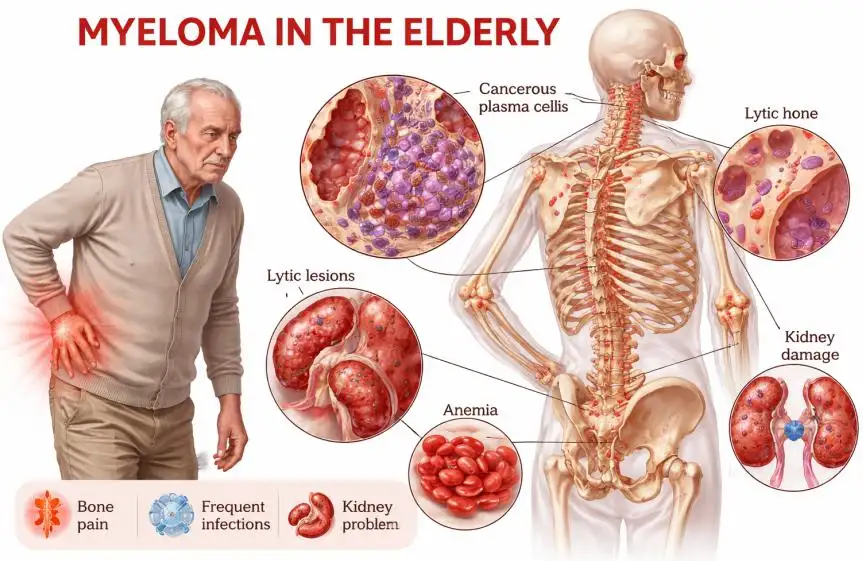
Early symptoms of myeloma in the elderly are often subtle and mistaken for normal aging. Recognizing warning signs early can make a major difference.
Common Symptoms
-
Persistent bone pain (especially in back or ribs)
-
Fatigue and weakness
-
Frequent infections
-
Unexplained weight loss
-
Anemia
-
Kidney problems
-
Increased thirst or confusion due to high calcium levels
If these symptoms persist, medical evaluation is strongly recommended.
Diagnosis of Myeloma in the Elderly
Accurate diagnosis involves a combination of laboratory tests and imaging studies.
Diagnostic Methods
| Test Type | Purpose |
|---|---|
| Blood Tests | Detect abnormal proteins |
| Urine Tests | Identify light chain proteins |
| Bone Marrow Biopsy | Confirm cancerous plasma cells |
| X-rays / MRI / CT | Detect bone damage |
| PET Scan | Evaluate disease spread |
Early diagnosis improves treatment success and reduces complications in elderly patients.
Treatment Options
Treatment for myeloma in the elderly is personalized based on age, overall health, and disease stage. The goal is to control cancer growth while minimizing side effects.
Common Treatment Approaches
| Treatment | Purpose |
|---|---|
| Chemotherapy | Destroy cancer cells |
| Targeted Therapy | Attack specific cancer pathways |
| Immunotherapy | Strengthen immune response |
| Steroids | Reduce inflammation and cancer activity |
| Radiation Therapy | Treat localized bone pain |
| Stem Cell Transplant | Limited to select fit elderly patients |
Doctors often use combination therapies to maximize effectiveness while preserving quality of life.
Prevention and Lifestyle Recommendations
Although myeloma cannot always be prevented, healthy lifestyle choices can improve resilience and overall well-being.
Recommended Lifestyle Habits
-
Maintain a balanced, nutrient-rich diet
-
Stay physically active with age-appropriate exercise
-
Avoid smoking and excessive alcohol consumption
-
Manage chronic conditions effectively
-
Keep regular medical checkups
-
Reduce exposure to environmental toxins
Healthy habits help strengthen the immune system and support recovery.
Prognosis and Survival Rates
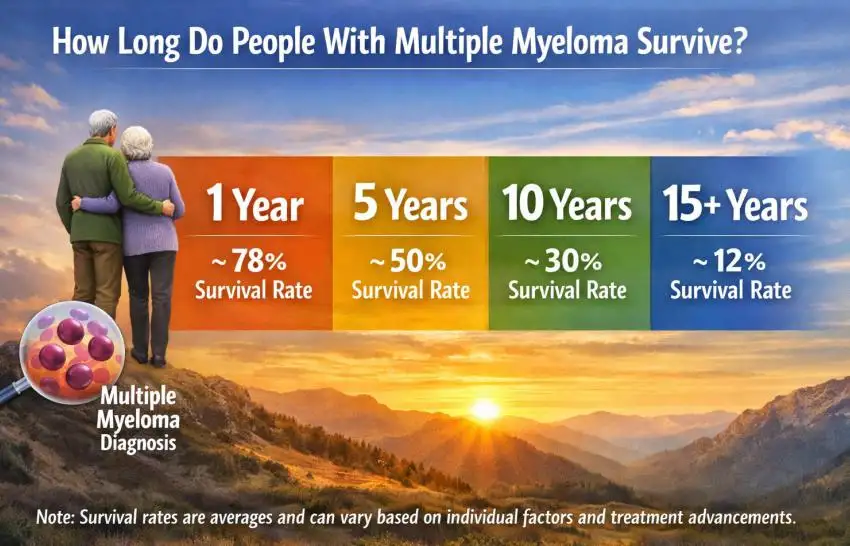
The prognosis for myeloma in the elderly has improved significantly due to modern treatments. Survival rates vary depending on stage, treatment response, and overall health.
Survival Outlook
| Stage | Estimated 5-Year Survival |
|---|---|
| Early Stage | 70–80% |
| Intermediate Stage | 50–60% |
| Advanced Stage | 30–40% |
Many elderly patients now live longer and enjoy improved quality of life compared to previous decades.
Latest Research and Innovations
Medical research continues to improve outcomes for myeloma in the elderly.
Emerging Advances
-
CAR-T cell therapy
-
Bispecific antibodies
-
Precision medicine approaches
-
Personalized drug combinations
-
Advanced diagnostic biomarkers
These innovations offer hope for more effective and less toxic treatments in older adults.
Coping and Support for Patients
Living with myeloma can be emotionally and physically challenging, especially for seniors.
Support Strategies
-
Join support groups for elderly cancer patients
-
Seek counseling or mental health support
-
Maintain open communication with healthcare providers
-
Involve family members and caregivers
-
Focus on pain management and comfort
Strong emotional and social support significantly improves treatment adherence and quality of life.
Conclusion
Myeloma in the elderly is a complex but manageable condition with proper medical care and lifestyle support. Early diagnosis, individualized treatment plans, and continuous monitoring are essential for improving outcomes and maintaining independence.
With advancements in research and patient-centered care, elderly individuals with multiple myeloma now have better survival rates and enhanced quality of life. Staying informed and proactive empowers patients and families to face this journey with confidence and hope.
FAQ About Myeloma in the Elderly
1. What age group is most affected by myeloma?
Most cases occur in individuals aged 65 and older.
2. Is myeloma curable in elderly patients?
While there is no definitive cure, many patients achieve long-term remission with modern treatments.
3. Can elderly patients tolerate chemotherapy?
Yes, treatment plans are adjusted to match physical condition and tolerance levels.
4. How fast does multiple myeloma progress?
Progression varies by individual, disease stage, and treatment response.
5. What improves survival in elderly myeloma patients?
Early diagnosis, advanced therapies, healthy lifestyle habits, and strong support systems significantly improve outcomes.