Biological Therapy for Treating Multiple Myeloma: A Comprehensive Guide to Modern, Targeted Care

Multiple myeloma is a complex blood cancer that originates in plasma cells, a type of white blood cell essential for immune defense. Over the past two decades, treatment approaches have evolved dramatically, moving beyond traditional chemotherapy toward more targeted and personalized strategies. One of the most important advances is biological therapy for treating multiple myeloma, which harnesses the body’s immune system and specific molecular mechanisms to fight cancer cells more effectively.
For patients and families navigating a multiple myeloma diagnosis, understanding biological therapy can feel overwhelming. This article is designed to guide you step by step through what biological therapy is, how it works, who may benefit from it, and what the future holds. Along the way, we’ll focus on clarity, practical insights, and evidence-based information to help you make informed decisions together with your healthcare team.
Overview
Biological therapy for treating multiple myeloma refers to treatments derived from living organisms or designed to target specific biological processes involved in cancer growth. Unlike conventional chemotherapy, which attacks rapidly dividing cells broadly, biological therapies are more precise. They aim to disrupt cancer cell survival while minimizing damage to healthy tissues.
These therapies have become a cornerstone of modern multiple myeloma management. They are often used alone or in combination with other treatments such as chemotherapy, stem cell transplantation, or corticosteroids, significantly improving response rates and long-term outcomes for many patients.
Types
Biological therapy for treating multiple myeloma includes several distinct categories, each working in a unique way.
| Type of Biological Therapy | How It Works | Common Examples |
|---|---|---|
| Immunomodulatory drugs (IMiDs) | Enhance immune response and inhibit myeloma cell growth | Lenalidomide, Thalidomide, Pomalidomide |
| Monoclonal antibodies | Target specific proteins on myeloma cells | Daratumumab, Elotuzumab |
| Proteasome inhibitors | Block protein breakdown, leading to cancer cell death | Bortezomib, Carfilzomib |
| CAR T-cell therapy | Genetically modifies T cells to attack myeloma cells | Idecabtagene vicleucel |
| Cytokine-based therapies | Modulate immune signaling pathways | Interferons (limited use) |
Each type may be selected based on disease stage, patient health, prior treatments, and genetic features of the cancer.
Causes and Risk Factors
The exact cause of multiple myeloma remains unknown, but several factors are associated with a higher risk:
-
Advanced age, particularly over 60
-
Male gender
-
Family history of blood cancers
-
Certain genetic abnormalities in plasma cells
-
Exposure to radiation or specific chemicals
-
Pre-existing conditions such as monoclonal gammopathy of undetermined significance (MGUS)
While biological therapy does not prevent these risk factors, it is specifically designed to counteract the biological pathways that allow myeloma cells to thrive.
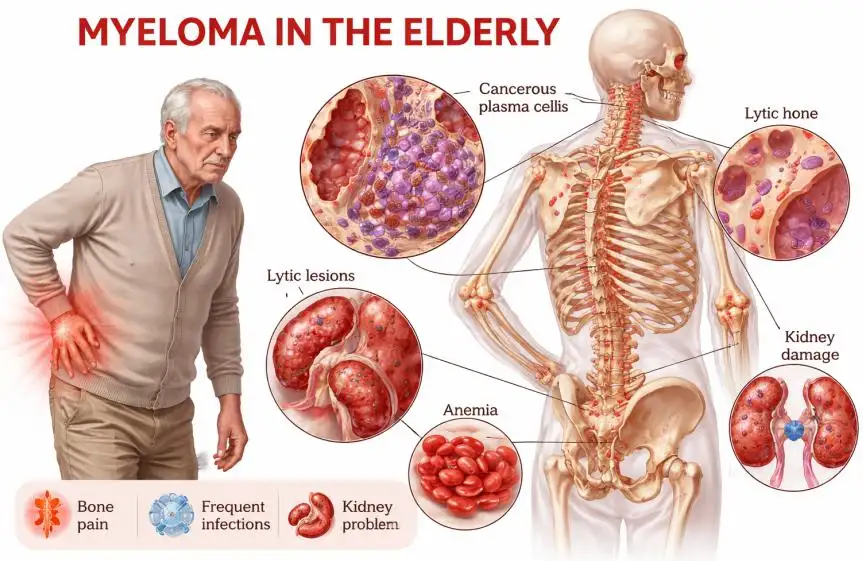
Symptoms and Early Warning Signs
Multiple myeloma symptoms can be subtle at first and may progress gradually. Early recognition is important for timely treatment.
Common symptoms include:
-
Persistent bone pain, especially in the back or ribs
-
Frequent infections due to weakened immunity
-
Fatigue and weakness caused by anemia
-
High calcium levels leading to nausea or confusion
-
Kidney dysfunction
If you or a loved one experience ongoing or unexplained symptoms, medical evaluation is essential.
Diagnosis
Diagnosing multiple myeloma typically involves a combination of laboratory tests, imaging, and tissue analysis. These same tools also help determine whether biological therapy for treating multiple myeloma is appropriate.
Key diagnostic steps include:
-
Blood and urine tests to detect abnormal proteins
-
Bone marrow biopsy to assess plasma cell involvement
-
Imaging studies such as MRI, CT, or PET scans
-
Genetic and molecular testing to guide targeted therapy decisions
Treatment Options
Biological therapy for treating multiple myeloma is often part of a broader, individualized treatment plan.
| Treatment Approach | Role in Care |
|---|---|
| Biological therapy | Targets cancer-specific pathways and immune mechanisms |
| Chemotherapy | Reduces tumor burden rapidly |
| Stem cell transplant | Resets bone marrow after high-dose therapy |
| Corticosteroids | Reduce inflammation and enhance other treatments |
| Radiation therapy | Controls localized bone pain or lesions |
Combination regimens are common, as they can improve effectiveness and reduce the risk of drug resistance.
Prevention and Lifestyle Recommendations
There is no guaranteed way to prevent multiple myeloma, but healthy lifestyle choices can support overall well-being during and after treatment.
Recommended strategies include:
-
Maintaining a balanced, nutrient-rich diet
-
Staying physically active within medical guidance
-
Avoiding tobacco and limiting alcohol
-
Managing stress through mindfulness or counseling
-
Keeping up with vaccinations and infection prevention
These steps do not replace medical treatment but can improve quality of life and treatment tolerance.
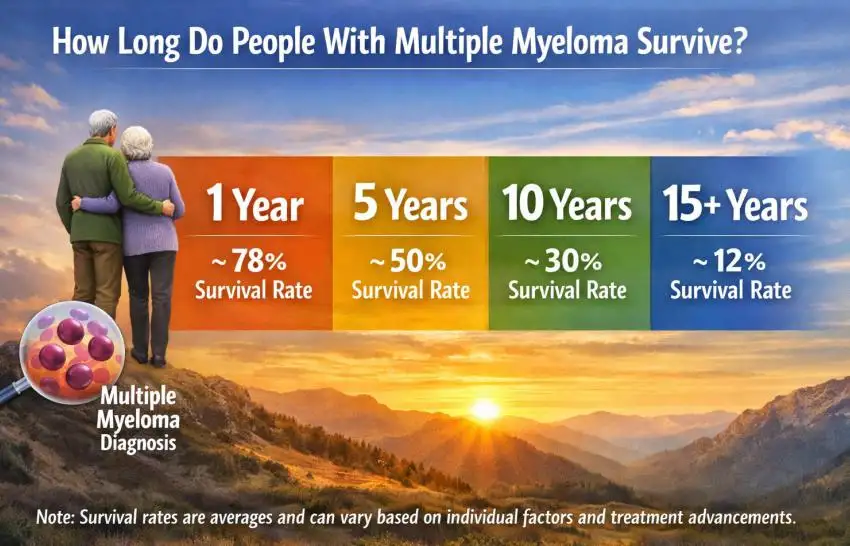
Prognosis and Survival Rates
Prognosis for multiple myeloma has improved significantly with the introduction of biological therapy. Many patients now live longer and experience better disease control than in the past.
Survival rates vary depending on:
-
Disease stage at diagnosis
-
Genetic risk factors
-
Response to biological therapy
-
Overall health and age
While multiple myeloma is still considered incurable, it is increasingly managed as a chronic condition for many patients.
Latest Research and Innovations
Research into biological therapy for treating multiple myeloma is advancing rapidly. Scientists are exploring next-generation CAR T-cell therapies, bispecific antibodies, and personalized medicine approaches based on genetic profiling.
Clinical trials continue to test combinations that may produce deeper and longer-lasting remissions, offering hope for even better outcomes in the future.
Coping and Support for Patients
Living with multiple myeloma can be emotionally and physically challenging. Support systems play a critical role in patient resilience.
Helpful resources include:
-
Oncology social workers and counselors
-
Patient support groups, both online and in person
-
Educational programs provided by cancer organizations
-
Open communication with caregivers and healthcare teams
You are not alone, and seeking support is a sign of strength, not weakness.
Conclusion
Biological therapy for treating multiple myeloma has transformed the landscape of care, offering targeted, effective, and increasingly personalized treatment options. By understanding how these therapies work and how they fit into a comprehensive care plan, patients can actively participate in decisions that shape their treatment journey. With ongoing research and innovation, the future of multiple myeloma care continues to move toward longer survival and better quality of life.
FAQ
1. What is biological therapy for treating multiple myeloma?
It is a group of treatments that target specific biological processes or immune pathways involved in myeloma growth.
2. Is biological therapy safer than chemotherapy?
Biological therapy is often more targeted, which may reduce some side effects, but it can still cause reactions that require monitoring.
3. Can biological therapy cure multiple myeloma?
Currently, it does not cure the disease, but it can achieve long-term remission and significantly extend survival.
4. Who is eligible for biological therapy?
Eligibility depends on disease stage, previous treatments, overall health, and genetic factors. Your oncologist can provide personalized guidance.
5. Are new biological therapies still being developed?
Yes. Ongoing research and clinical trials continue to introduce innovative therapies with promising results.