What Happens to the Body When You Have Multiple Myeloma: A Complete Guide to Symptoms, Diagnosis, and Treatment

Multiple myeloma is a complex blood cancer that affects plasma cells, a vital part of the immune system. Understanding what happens to the body when you have multiple myeloma can help patients, caregivers, and readers recognize early warning signs, make informed medical decisions, and better cope with the condition. Although it is considered a rare cancer, its impact on the body can be widespread and life-altering if not properly managed.
When multiple myeloma develops, abnormal plasma cells multiply uncontrollably in the bone marrow, interfering with normal blood cell production and weakening bones, kidneys, and immune defenses. This article provides a comprehensive, overview of what happens to the body when you have multiple myeloma, covering symptoms, causes, diagnosis, treatment options, lifestyle guidance, and the latest medical advances.
Overview
To fully understand what happens to the body when you have multiple myeloma, it is important to know how plasma cells normally function. Healthy plasma cells produce antibodies that help fight infections. In multiple myeloma, cancerous plasma cells produce abnormal proteins and crowd out healthy cells in the bone marrow.
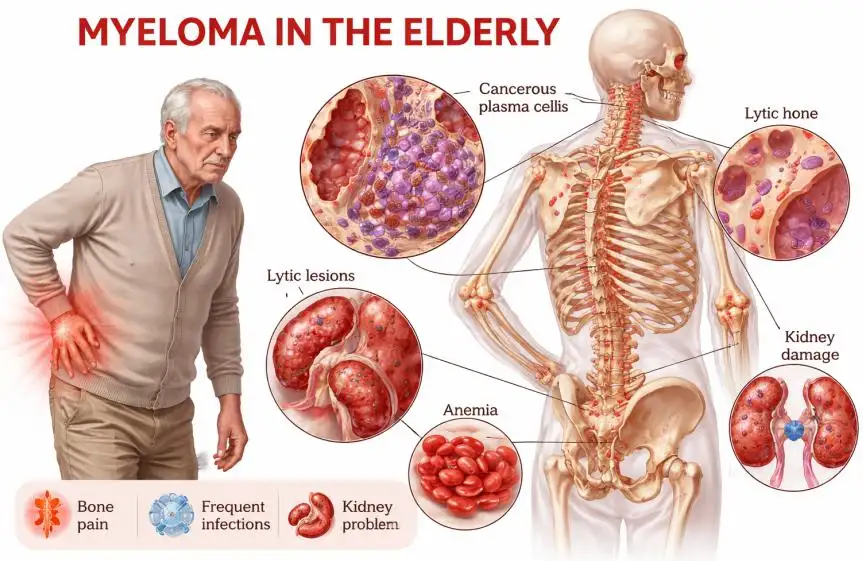
As the disease progresses, multiple myeloma affects multiple body systems simultaneously. Bones may weaken, kidneys can become damaged, blood counts drop, and immunity becomes compromised. These systemic effects explain why symptoms vary widely among patients and often worsen over time.
Types
Multiple myeloma is not a single uniform disease. There are several recognized types and related conditions, each affecting the body differently.
| Type of Multiple Myeloma | Description |
|---|---|
| Smoldering Multiple Myeloma | An early, slow-progressing form with few or no symptoms |
| Active (Symptomatic) Multiple Myeloma | Causes noticeable symptoms and organ damage |
| Light Chain Myeloma | Produces only light chains, often affecting kidneys |
| Non-Secretory Myeloma | Does not release detectable abnormal proteins |
| Solitary Plasmacytoma | A single tumor of plasma cells, may progress to myeloma |
Each type influences what happens to the body when you have multiple myeloma, particularly in terms of symptom severity and disease progression.
Causes and Risk Factors
The exact cause of multiple myeloma remains unknown, but several risk factors increase the likelihood of developing the disease.
| Risk Factor | Explanation |
|---|---|
| Age | Most patients are over 60 years old |
| Gender | Slightly more common in men |
| Family History | Higher risk if a close relative has myeloma |
| Genetic Changes | DNA mutations in plasma cells |
| Obesity | Associated with increased cancer risk |
| MGUS | A precursor condition that may evolve into myeloma |
These factors contribute to abnormal plasma cell behavior, which explains what happens to the body when you have multiple myeloma at a cellular level.
Symptoms and Early Warning Signs
The symptoms of multiple myeloma often develop gradually, making early detection challenging. Understanding early warning signs is crucial.
Common symptoms include:
-
Persistent bone pain, especially in the back or ribs
-
Frequent infections due to weakened immunity
-
Fatigue and weakness caused by anemia
-
Unexplained weight loss
-
Increased thirst and frequent urination
-
Nausea or confusion due to high calcium levels
These symptoms reflect how multiple myeloma disrupts normal body functions, particularly bone health, blood production, and kidney function.
Diagnosis
Diagnosing multiple myeloma involves a combination of laboratory tests, imaging studies, and bone marrow examination.
| Diagnostic Method | Purpose |
|---|---|
| Blood Tests | Detect abnormal proteins and anemia |
| Urine Tests | Identify light chains affecting kidneys |
| Bone Marrow Biopsy | Confirm abnormal plasma cells |
| Imaging (X-ray, MRI, CT, PET) | Identify bone damage |
| Genetic Testing | Assess disease aggressiveness |
Early and accurate diagnosis helps clarify what happens to the body when you have multiple myeloma and guides treatment planning.
Treatment Options
Treatment depends on disease stage, symptoms, and overall health. Modern therapies aim to control cancer growth, relieve symptoms, and improve quality of life.
Common treatment approaches include:
-
Targeted therapy to destroy myeloma cells
-
Chemotherapy to slow cancer progression
-
Immunotherapy to boost immune response
-
Corticosteroids to reduce inflammation
-
Stem cell transplant for eligible patients
-
Radiation therapy for localized bone pain
These treatments directly address the harmful effects that occur in the body when you have multiple myeloma.
Prevention and Lifestyle Recommendations
There is no guaranteed way to prevent multiple myeloma, but healthy lifestyle choices can support overall well-being and treatment outcomes.
Recommended strategies include:
-
Maintaining a balanced, nutrient-rich diet
-
Staying physically active within medical limits
-
Avoiding smoking and excessive alcohol use
-
Managing weight and chronic conditions
-
Attending regular medical checkups
These measures help support the immune system and reduce complications related to multiple myeloma.
Prognosis and Survival Rates
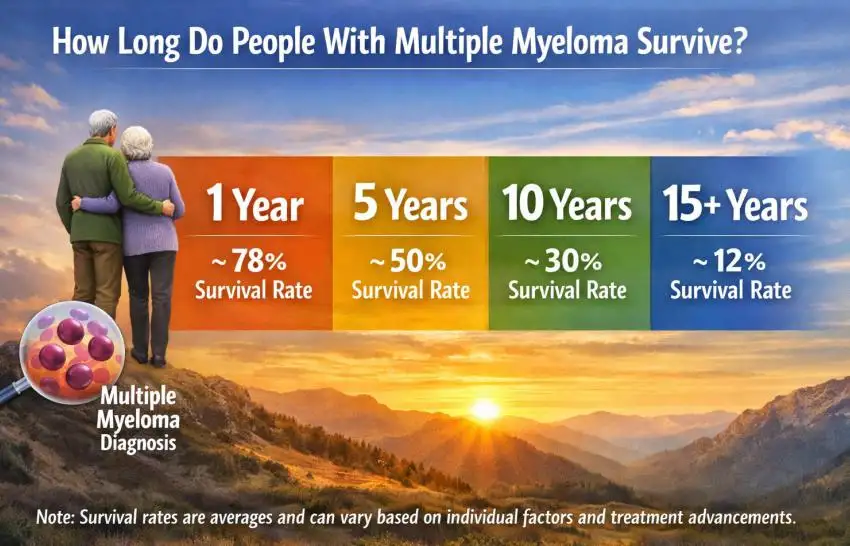
Prognosis varies widely depending on disease stage, genetic factors, and treatment response. Thanks to medical advancements, survival rates have improved significantly.
| Stage | Estimated 5-Year Survival Rate |
|---|---|
| Early Stage | Approximately 75% |
| Intermediate Stage | Around 55% |
| Advanced Stage | About 35–40% |
Understanding prognosis provides clarity about what happens to the body when you have multiple myeloma over time and helps patients plan for the future.
Latest Research and Innovations
Ongoing research continues to transform multiple myeloma care. Promising innovations include:
-
CAR T-cell therapy
-
Bispecific antibodies
-
Personalized medicine based on genetics
-
New combination drug therapies
These advancements aim to extend survival, reduce side effects, and potentially achieve long-term remission.
Coping and Support for Patients
Living with multiple myeloma can be emotionally and physically challenging. Support plays a vital role in patient well-being.
Helpful coping strategies include:
-
Joining support groups
-
Seeking counseling or mental health care
-
Communicating openly with healthcare providers
-
Relying on family and caregiver support
Emotional resilience is an essential part of managing what happens to the body when you have multiple myeloma.
Conclusion
Understanding what happens to the body when you have multiple myeloma empowers patients and families to recognize symptoms early, seek timely care, and actively participate in treatment decisions. Although it is a serious condition, ongoing research and modern therapies continue to improve outcomes and quality of life.
With proper medical care, lifestyle adjustments, and emotional support, many people with multiple myeloma are living longer and more fulfilling lives than ever before.
FAQ
1. What happens first in the body when multiple myeloma begins?
Abnormal plasma cells start multiplying in the bone marrow, crowding out healthy blood cells.
2. Can multiple myeloma affect organs other than bones?
Yes, it commonly affects kidneys, immune function, and blood cell production.
3. Is multiple myeloma curable?
Currently, it is not considered curable, but many patients achieve long-term remission with treatment.
4. How fast does multiple myeloma progress?
Progression varies; some cases advance slowly while others become aggressive.
5. Can lifestyle changes improve outcomes?
Healthy habits and proper medical care can reduce complications and improve quality of life.