How Long Do People With Multiple Myeloma Survive? Survival Rates, Prognosis, and Treatment Outlook
How long do people with multiple myeloma survive is one of the most common and emotionally important questions asked by patients and families after diagnosis. Multiple myeloma is a complex blood cancer that affects plasma cells in the bone marrow, and survival outcomes can vary widely depending on many factors. Understanding what influences prognosis can help patients make informed decisions and feel more prepared for the journey ahead.
Thanks to major advances in treatment, survival rates for multiple myeloma have improved significantly over the past two decades. While the disease is still considered incurable in most cases, many people now live longer and maintain a good quality of life. In this article, we will explore survival statistics, treatment options, risk factors, and the latest research to give you a complete, up-to-date perspective.
Overview
Multiple myeloma is a type of cancer that develops in plasma cells, which are responsible for producing antibodies. When these cells become cancerous, they multiply uncontrollably and interfere with normal blood cell production.
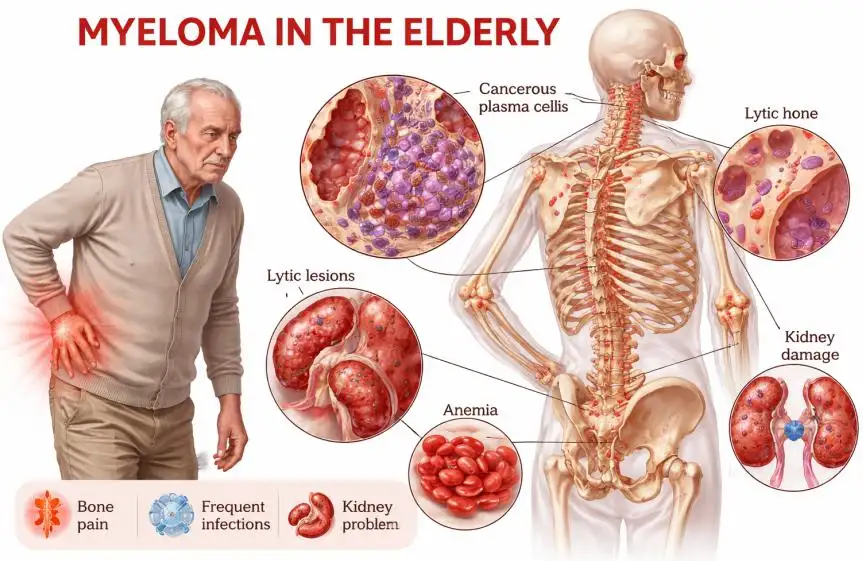
This disease can weaken bones, damage kidneys, suppress the immune system, and cause anemia. Because symptoms may appear gradually, multiple myeloma is often diagnosed at an advanced stage. However, early detection and modern therapies have dramatically improved patient outcomes.
Types of Multiple Myeloma
Multiple myeloma is not a single uniform condition. Different subtypes can affect survival and treatment response.
| Type | Description | Impact on Survival |
|---|---|---|
| Smoldering Multiple Myeloma | Early, asymptomatic form | Slower progression, better outlook |
| Active Multiple Myeloma | Symptomatic and requires treatment | Depends on stage and response |
| Non-Secretory Myeloma | Rare type without detectable proteins | Similar prognosis with proper monitoring |
| Light Chain Myeloma | Produces only light chains | May increase kidney complications |
| Solitary Plasmacytoma | Single tumor location | Often better prognosis |
Understanding the type of myeloma helps doctors personalize treatment plans and predict outcomes more accurately.
Causes and Risk Factors
The exact cause of multiple myeloma is unknown, but several risk factors increase the likelihood of developing the disease.
Common risk factors include:
-
Age over 60 years
-
Male gender
-
Family history of blood cancers
-
African ancestry
-
Obesity
-
Exposure to radiation or certain chemicals
-
Pre-existing plasma cell disorders
While these factors may increase risk, many people with multiple myeloma have no identifiable cause.
Symptoms and Early Warning Signs
Early-stage multiple myeloma may produce mild or vague symptoms. As the disease progresses, symptoms become more noticeable.
Common symptoms include:
-
Persistent bone pain, especially in the back or ribs
-
Frequent infections
-
Fatigue and weakness
-
Unexplained weight loss
-
Nausea and constipation
-
Increased thirst and urination
-
Numbness or tingling in limbs
Recognizing these warning signs early can improve treatment success and long-term survival.
Diagnosis
Diagnosing multiple myeloma requires a combination of laboratory tests and imaging studies.
Doctors commonly use:
-
Blood tests to measure abnormal proteins
-
Urine tests to detect light chains
-
Bone marrow biopsy to confirm cancer cells
-
X-rays, MRI, CT, or PET scans to assess bone damage
-
Kidney and calcium level tests
Accurate diagnosis and staging play a crucial role in determining how long people with multiple myeloma survive.
Treatment Options
Treatment strategies depend on age, overall health, disease stage, and genetic features.
Common treatment options include:
| Treatment Type | Purpose |
|---|---|
| Chemotherapy | Kills cancer cells |
| Targeted Therapy | Attacks specific cancer pathways |
| Immunotherapy | Boosts immune response |
| Steroids | Reduces inflammation and cancer growth |
| Stem Cell Transplant | Replaces damaged bone marrow |
| Radiation Therapy | Treats localized bone damage |
Combination therapies are often used to achieve deeper and longer-lasting remissions.
Prevention and Lifestyle Recommendations
Although multiple myeloma cannot be fully prevented, healthy habits can support overall well-being and treatment success.
Recommended lifestyle practices include:
-
Maintaining a balanced diet rich in fruits and vegetables
-
Staying physically active within personal limits
-
Avoiding smoking and excessive alcohol
-
Managing stress with relaxation techniques
-
Attending regular medical checkups
-
Following prescribed treatment plans closely
These habits can help strengthen the immune system and improve quality of life.
Prognosis and Survival Rates
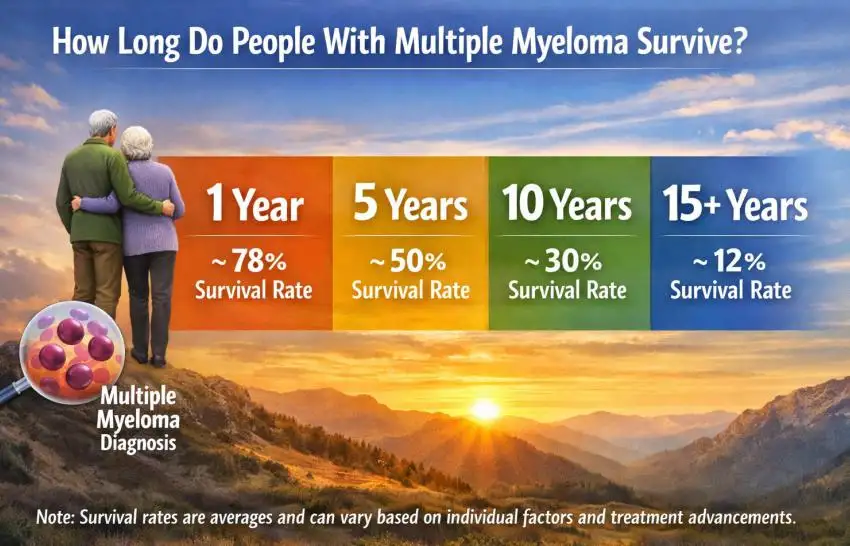
When asking how long do people with multiple myeloma survive, it is important to understand that survival varies widely based on individual factors.
Average survival rates by stage:
| Stage | Estimated 5-Year Survival Rate |
|---|---|
| Stage I | Approximately 70–80% |
| Stage II | Approximately 50–60% |
| Stage III | Approximately 40–50% |
With modern therapies, many patients live 8 to 10 years or longer, especially when diagnosed early and treated aggressively. Some individuals experience long-term remission and near-normal life expectancy.
Factors influencing prognosis include:
-
Age and overall health
-
Genetic abnormalities
-
Response to treatment
-
Presence of kidney or bone damage
-
Access to advanced therapies
Latest Research and Innovations
Medical research continues to transform multiple myeloma treatment. New therapies are extending survival and improving outcomes.
Recent innovations include:
-
CAR T-cell therapy
-
Bispecific antibodies
-
Next-generation proteasome inhibitors
-
Personalized genetic-based treatments
-
Improved stem cell transplant techniques
These advances are giving patients more effective and less toxic treatment options than ever before.
Coping and Support for Patients
Living with multiple myeloma can be emotionally and physically challenging. Emotional support plays a key role in long-term well-being.
Helpful coping strategies include:
-
Joining support groups
-
Seeking counseling or therapy
-
Maintaining open communication with healthcare providers
-
Building a strong support network of family and friends
-
Staying informed about treatment options
Emotional resilience and mental health care are just as important as physical treatment.
Conclusion
So, how long do people with multiple myeloma survive? The answer depends on many factors, including stage at diagnosis, treatment response, and overall health. While multiple myeloma remains a serious condition, modern medical advancements have significantly improved survival rates and quality of life.
With early detection, personalized treatment plans, and continuous research progress, many patients now live longer, fuller lives. Staying proactive in care and maintaining healthy lifestyle habits can make a meaningful difference in long-term outcomes.
FAQ
1. How long can a person live with multiple myeloma?
Many patients live 5 to 10 years or more with modern treatments, and some experience long-term remission.
2. Is multiple myeloma curable?
Currently, multiple myeloma is not considered curable, but it is highly treatable and manageable as a chronic condition.
3. What stage of multiple myeloma has the best survival rate?
Stage I has the highest survival rate, especially when diagnosed early and treated promptly.
4. Does age affect multiple myeloma survival?
Yes, younger patients often respond better to treatment and may qualify for stem cell transplantation, improving outcomes.
5. Can lifestyle changes improve survival?
Healthy habits, treatment adherence, and regular follow-ups can support better overall outcomes and quality of life.