Myeloma Bone Marrow Cancer: Symptoms, Diagnosis, Treatment, and Survival Guide

Myeloma bone marrow cancer, also known as multiple myeloma, is a complex blood cancer that affects plasma cells inside the bone marrow. These abnormal cells multiply uncontrollably and interfere with the production of healthy blood cells, weakening the immune system and damaging bones. As awareness grows, understanding this disease becomes increasingly important for early detection and effective management.
In this comprehensive guide, you will learn everything you need to know about myeloma bone marrow cancer from early warning signs and diagnostic methods to modern treatment options and lifestyle strategies. Whether you are a patient, caregiver, or simply seeking reliable information, this article aims to empower you with practical, evidence-based knowledge.
Overview of Myeloma Bone Marrow Cancer
Myeloma bone marrow cancer is a type of hematologic malignancy that originates in plasma cells, which normally help the body fight infections by producing antibodies. When these cells become cancerous, they accumulate in the bone marrow and disrupt normal blood cell formation.
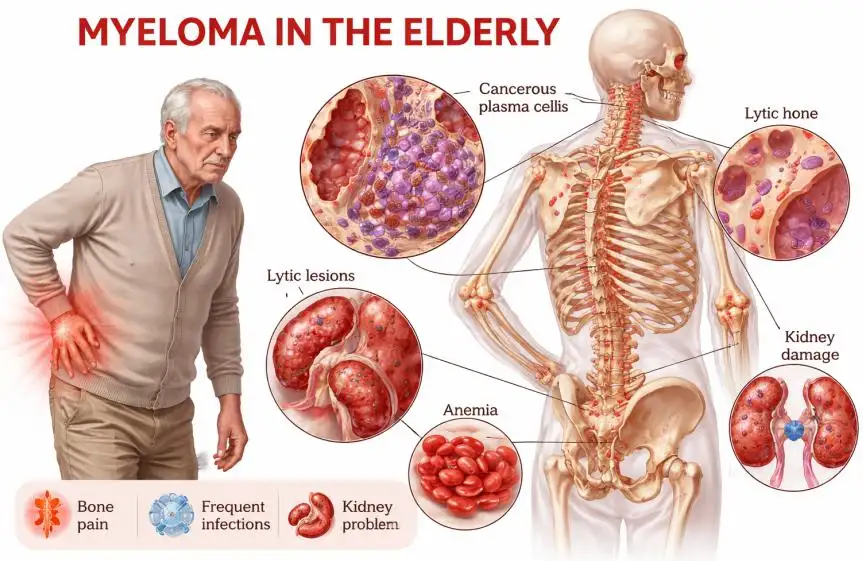
Over time, this disease can cause bone damage, kidney problems, anemia, and increased susceptibility to infections. While it is considered a chronic condition, many patients now live longer and maintain a good quality of life due to medical advancements.
How Myeloma Bone Marrow Cancer Affects the Body
| Affected System | Impact |
|---|---|
| Bone System | Bone thinning, fractures, chronic pain |
| Immune System | Reduced ability to fight infections |
| Blood Production | Anemia, low platelets, fatigue |
| Kidneys | Protein buildup causing kidney damage |
Types of Myeloma Bone Marrow Cancer
There are several forms of myeloma bone marrow cancer, classified based on disease behavior and protein production.
| Type | Description |
|---|---|
| Smoldering Myeloma | Early stage with no symptoms |
| Active Multiple Myeloma | Symptomatic and requires treatment |
| Non-Secretory Myeloma | Rare type with no detectable M-protein |
| Light Chain Myeloma | Produces only light chain proteins |
| Plasmacytoma | Localized tumor of plasma cells |
Each type requires a tailored diagnostic and treatment approach.
Causes and Risk Factors
The exact cause of myeloma bone marrow cancer is not fully understood, but several factors increase the risk.
Common Risk Factors
-
Age over 60
-
Family history of blood cancers
-
Exposure to radiation or toxic chemicals
-
Obesity and sedentary lifestyle
-
Male gender
-
Certain genetic mutations
Although these factors increase risk, the disease can also develop without any obvious triggers.
Symptoms and Early Warning Signs
Recognizing early symptoms of myeloma bone marrow cancer can significantly improve treatment outcomes.
Common Symptoms
-
Persistent bone pain (especially in the back and ribs)
-
Frequent infections
-
Fatigue and weakness
-
Unexplained weight loss
-
Nausea and constipation
-
Increased thirst and urination
Early Warning Signs Table
| Symptom | Possible Cause |
|---|---|
| Bone pain | Bone lesions |
| Fatigue | Low red blood cell count |
| Recurrent infections | Weak immune system |
| Kidney issues | Protein buildup |
If these symptoms persist, medical evaluation is strongly recommended.
Diagnosis of Myeloma Bone Marrow Cancer
Diagnosis usually involves a combination of laboratory tests and imaging studies.
Diagnostic Methods
-
Blood tests (M-protein detection)
-
Urine tests (Bence Jones protein)
-
Bone marrow biopsy
-
MRI, CT scan, or PET scan
-
X-rays for bone damage
Early diagnosis plays a critical role in slowing disease progression.
Treatment Options
Treatment for myeloma bone marrow cancer is personalized based on disease stage, patient health, and genetic markers.
Common Treatment Approaches
| Treatment Type | Purpose |
|---|---|
| Chemotherapy | Kill cancer cells |
| Targeted Therapy | Attack specific cancer proteins |
| Immunotherapy | Boost immune response |
| Stem Cell Transplant | Restore healthy bone marrow |
| Radiation Therapy | Control localized pain |
Combination therapy often provides the best results.
Prevention and Lifestyle Recommendations
Although there is no guaranteed way to prevent myeloma bone marrow cancer, healthy habits can reduce complications and support treatment success.
Recommended Lifestyle Changes
-
Maintain a balanced diet rich in fruits and vegetables
-
Stay physically active with low-impact exercise
-
Avoid smoking and excessive alcohol
-
Manage stress through meditation or counseling
-
Stay hydrated and get adequate sleep
These habits strengthen immunity and improve overall well-being.
Prognosis and Survival Rates
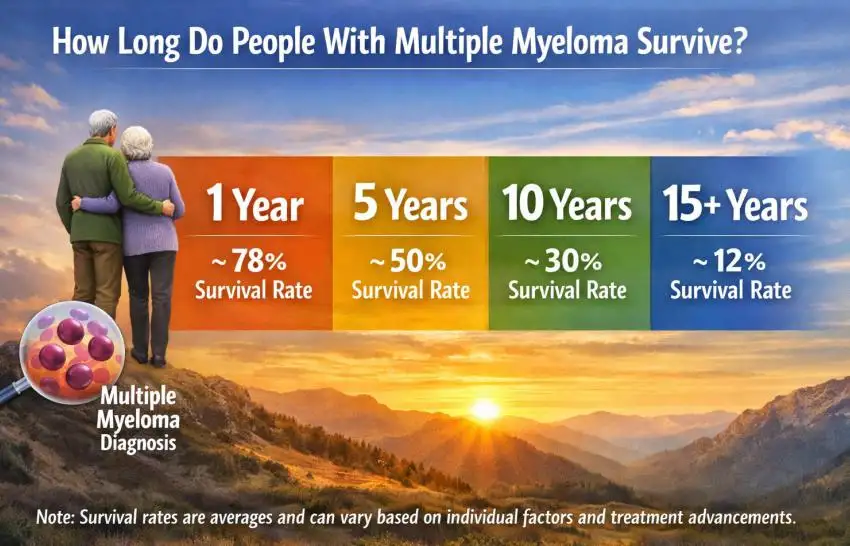
The prognosis of myeloma bone marrow cancer has improved dramatically over the past decade.
Average Survival Statistics
| Disease Stage | Estimated 5-Year Survival Rate |
|---|---|
| Early Stage | 75%–80% |
| Intermediate Stage | 55%–65% |
| Advanced Stage | 35%–45% |
Actual survival varies depending on treatment response and individual health factors.
Latest Research and Innovations
Medical research continues to transform how myeloma bone marrow cancer is treated.
Recent Breakthroughs
-
CAR-T cell therapy
-
Bispecific antibodies
-
Personalized genetic treatment
-
Advanced imaging techniques
-
Minimal residual disease (MRD) testing
These innovations are offering new hope to patients worldwide.
Coping and Support for Patients
Living with myeloma bone marrow cancer can be emotionally and physically challenging.
Support Strategies
-
Join cancer support groups
-
Seek mental health counseling
-
Communicate openly with healthcare providers
-
Build a strong family support network
-
Educate yourself about treatment options
Emotional well-being is just as important as physical care.
Conclusion
Myeloma bone marrow cancer is a serious but increasingly manageable condition. With early diagnosis, advanced treatments, and healthy lifestyle adjustments, many patients are living longer and fuller lives. Staying informed, proactive, and supported can make a significant difference in disease management and overall quality of life.
If you or a loved one is facing this condition, remember that medical science continues to evolve—and hope remains stronger than ever.
FAQ – Frequently Asked Questions
1. What is myeloma bone marrow cancer?
It is a blood cancer that affects plasma cells in the bone marrow, leading to immune dysfunction and bone damage.
2. Is myeloma bone marrow cancer curable?
There is currently no complete cure, but long-term remission is possible with modern treatments.
3. How fast does myeloma progress?
Progression varies. Some cases develop slowly, while others advance more rapidly.
4. Can lifestyle changes help manage the disease?
Yes, healthy nutrition, physical activity, and stress management can improve treatment outcomes and quality of life.
5. When should I see a doctor?
If you experience persistent bone pain, fatigue, frequent infections, or unexplained weight loss, seek medical evaluation promptly.