CBD Oil and Pancreatic Cancer: Benefits, Risks, and Latest Medical Insights

Pancreatic cancer is one of the most aggressive and challenging forms of cancer, often diagnosed at an advanced stage with limited treatment options. Patients and families frequently search for supportive therapies that may help manage symptoms, improve quality of life, and complement conventional medical treatments. In recent years, cbd oil and pancreatic cancer have become a popular topic of discussion due to growing interest in cannabis-based therapies.
CBD (cannabidiol) is a non-psychoactive compound derived from the cannabis plant. Unlike THC, it does not cause a “high,” but it has been studied for its potential anti-inflammatory, pain-relieving, and anti-nausea effects. While CBD oil is not a cure for pancreatic cancer, ongoing research suggests it may play a supportive role in symptom management and possibly influence cancer-related processes.
Overview
CBD oil and pancreatic cancer are often discussed together because of CBD’s potential therapeutic properties. Pancreatic cancer affects the pancreas, an organ responsible for digestion and blood sugar regulation. The disease is known for its silent progression and poor survival rates.
CBD oil is commonly used by patients to help with pain, appetite loss, anxiety, and chemotherapy-related side effects. However, its use should always be discussed with a healthcare professional to ensure safety and compatibility with standard treatments.
Types of Pancreatic Cancer
Pancreatic cancer is not a single disease. It consists of different types based on the cells involved.
| Type | Description | Frequency |
|---|---|---|
| Pancreatic Ductal Adenocarcinoma (PDAC) | Develops in the ducts that carry digestive enzymes | ~90% of cases |
| Neuroendocrine Tumors (NETs) | Arise from hormone-producing cells | Less common |
| Acinar Cell Carcinoma | Develops in enzyme-producing cells | Rare |
| Solid Pseudopapillary Tumor | Often affects young women | Very rare |
Research on cbd oil and pancreatic cancer mainly focuses on PDAC due to its prevalence and severity.
Causes and Risk Factors
The exact cause of pancreatic cancer is unknown, but several factors increase the risk:
| Risk Factor | Explanation |
|---|---|
| Smoking | Strongly linked to pancreatic cancer |
| Chronic pancreatitis | Long-term inflammation of the pancreas |
| Diabetes | Especially recent-onset diabetes |
| Obesity | Increases cancer risk |
| Family history | Genetic predisposition |
| Age | Most patients are over 60 |
While CBD oil does not prevent cancer, some studies suggest it may help reduce inflammation, which is a known contributor to cancer progression.
Symptoms and Early Warning Signs
Pancreatic cancer often shows subtle symptoms in early stages:
-
Abdominal or back pain
-
Unexplained weight loss
-
Jaundice (yellowing of skin and eyes)
-
Loss of appetite
-
Fatigue
-
Nausea
Many patients explore cbd oil and pancreatic cancer treatment options to help manage pain, nausea, and appetite loss.
Diagnosis
Diagnosis typically involves:
-
Imaging tests (CT scan, MRI, PET scan)
-
Blood tests (CA 19-9 tumor marker)
-
Endoscopic ultrasound (EUS)
-
Biopsy
CBD oil does not interfere with diagnostic procedures, but patients should inform their doctors about any supplements they use.
Treatment Options
Standard treatments include:
| Treatment | Purpose |
|---|---|
| Surgery | Remove the tumor (if detected early) |
| Chemotherapy | Kill cancer cells |
| Radiation therapy | Shrink tumors |
| Targeted therapy | Attack specific cancer pathways |
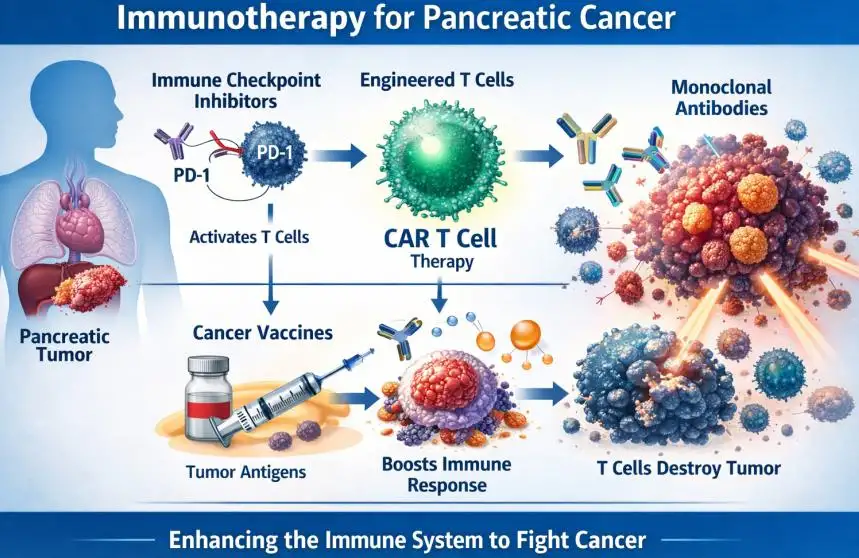
| Immunotherapy | Boost immune response |
CBD oil and pancreatic cancer are often discussed as complementary therapy, not a replacement for medical treatment. CBD may help reduce chemotherapy side effects such as pain, nausea, and anxiety.
Prevention and Lifestyle Recommendations
While pancreatic cancer cannot always be prevented, risk can be reduced by:
-
Quitting smoking
-
Maintaining a healthy weight
-
Eating a balanced diet
-
Limiting alcohol consumption
-
Managing diabetes
CBD oil may support stress management and sleep, which contribute to overall well-being, but it should not be viewed as a preventive solution.
Prognosis and Survival Rates
Pancreatic cancer has one of the lowest survival rates among cancers.
| Stage | 5-Year Survival Rate |
|---|---|
| Localized | ~44% |
| Regional | ~15% |
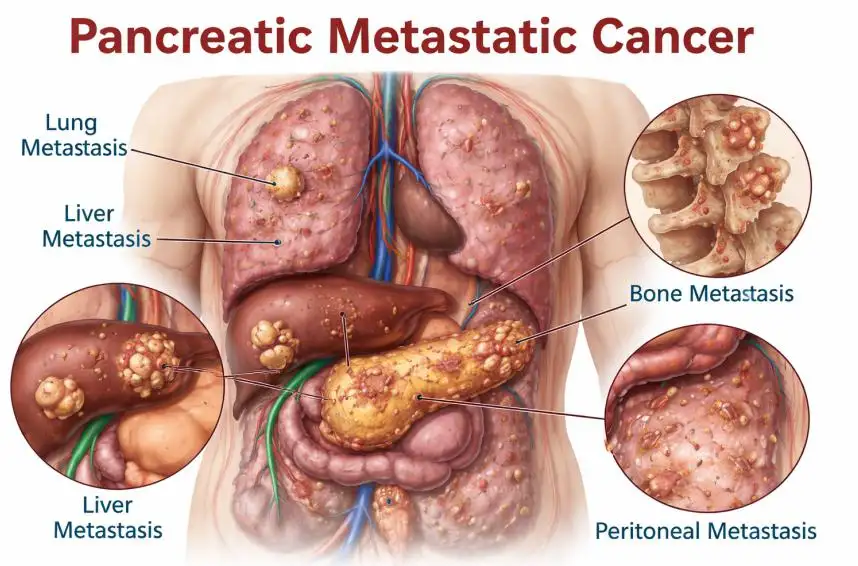
| Metastatic | ~3% |
Because of these statistics, many patients look for supportive options like cbd oil and pancreatic cancer symptom management strategies.
Latest Research and Innovations
Recent studies are exploring how CBD may:
-
Inhibit tumor cell growth
-
Reduce inflammation
-
Enhance the effects of chemotherapy
-
Support immune response
While early laboratory results are promising, clinical trials are still limited. More research is needed before CBD can be recommended as a cancer treatment.
Coping and Support for Patients
Living with pancreatic cancer is emotionally and physically challenging. Support strategies include:
-
Counseling and mental health support
-
Patient support groups
-
Pain management programs
-
Nutritional guidance
-
Palliative care
Many patients use CBD oil to manage anxiety, pain, and sleep disturbances, helping improve daily comfort.
Conclusion
The relationship between cbd oil and pancreatic cancer continues to attract attention from researchers and patients alike. While CBD oil is not a cure, it may offer valuable support in managing symptoms such as pain, nausea, anxiety, and appetite loss. When used responsibly and under medical guidance, CBD can be part of a holistic care plan focused on comfort and quality of life.
As scientific research evolves, clearer guidelines will emerge regarding the role of CBD in cancer care. Until then, patients should rely on evidence-based treatments while considering CBD as a complementary option.
FAQ
1. Can CBD oil cure pancreatic cancer?
No. CBD oil is not a cure. It may help manage symptoms but should not replace medical treatment.
2. Is CBD oil safe for pancreatic cancer patients?
Generally, CBD is considered safe, but it can interact with medications. Always consult a doctor.
3. Can CBD oil reduce chemotherapy side effects?
Some patients report reduced nausea, pain, and anxiety, but results vary.
4. Does CBD oil slow cancer growth?
Early studies suggest potential anti-tumor effects, but more clinical research is needed.
5. How should CBD oil be used?
Dosage depends on individual needs. A healthcare provider can offer guidance.
6. Is CBD legal?
CBD legality depends on your country or region. Always check local regulations.