Colon Cancer Stage 4 Treatment: Comprehensive Guide to Options, Prognosis, and Latest Advances

Colon cancer stage 4 treatment is a critical topic for patients, families, and caregivers seeking clear and reliable information at one of the most challenging stages of the disease. Stage 4 colon cancer, also known as metastatic colon cancer, means that cancer cells have spread beyond the colon to distant organs such as the liver, lungs, or peritoneum. While this diagnosis can feel overwhelming, significant progress in medical science has expanded treatment options and improved quality of life.
In this in-depth guide, we will explore colon cancer stage 4 treatment in a structured, reader-friendly way. You will learn about available therapies, prognosis, lifestyle strategies, and the latest innovations, empowering you to make informed decisions and actively participate in your care journey.
Overview
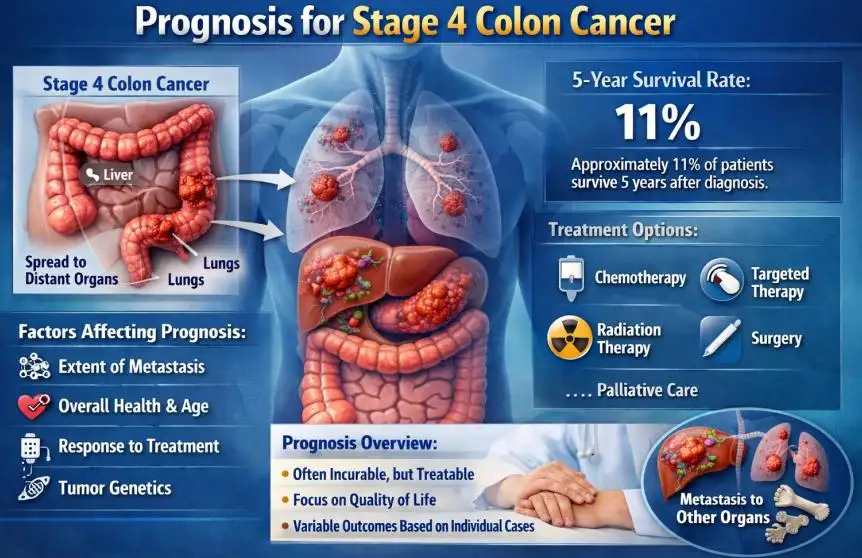
Stage 4 colon cancer is defined by the presence of metastases, meaning the cancer has spread to other parts of the body. At this stage, treatment typically focuses on controlling disease progression, relieving symptoms, extending survival, and maintaining quality of life. In selected cases, long-term remission or even cure may still be possible, especially when metastases are limited and treatable.
Colon cancer stage 4 treatment often involves a combination of systemic therapies (such as chemotherapy and targeted therapy), local treatments (surgery or radiation), and supportive care. The exact approach depends on tumor biology, extent of spread, patient health, and personal preferences.
Types
Stage 4 colon cancer can be classified based on how and where it has spread:
| Type of Stage 4 Colon Cancer | Description |
|---|---|
| Liver-only metastasis | Cancer has spread only to the liver, sometimes suitable for surgery |
| Lung metastasis | Spread to one or both lungs |
| Peritoneal metastasis | Cancer cells spread within the abdominal lining |
| Multi-organ metastasis | Spread to multiple distant organs |
Understanding the type of metastasis is essential, as it directly influences colon cancer stage 4 treatment planning and expected outcomes.
Causes and Risk Factors
Colon cancer develops due to genetic mutations that cause uncontrolled cell growth. In stage 4 disease, additional mutations allow cancer cells to invade blood or lymph vessels and spread to distant organs.
Common risk factors include:
-
Age over 50
-
Family history of colorectal cancer
-
Inflammatory bowel disease (ulcerative colitis or Crohn’s disease)
-
Diet high in red and processed meats
-
Obesity and physical inactivity
-
Smoking and excessive alcohol use
-
Certain genetic syndromes such as Lynch syndrome
Symptoms and Early Warning Signs
Symptoms of stage 4 colon cancer can vary depending on where the cancer has spread. Common signs include:
-
Persistent abdominal pain or bloating
-
Changes in bowel habits (diarrhea, constipation, narrow stools)
-
Blood in the stool
-
Unexplained weight loss and fatigue
-
Loss of appetite
-
Shortness of breath (lung metastasis)
-
Jaundice or abdominal swelling (liver involvement)
Early recognition of symptoms can help guide timely evaluation and optimize colon cancer stage 4 treatment outcomes.
Diagnosis
Diagnosis involves confirming both the primary colon tumor and metastatic spread. Typical diagnostic steps include:
-
Colonoscopy with biopsy
-
CT scans of the chest, abdomen, and pelvis
-
MRI or PET scans for detailed staging
-
Blood tests, including carcinoembryonic antigen (CEA)
-
Molecular testing (KRAS, NRAS, BRAF, MSI status)
Molecular profiling plays a crucial role in personalizing colon cancer stage 4 treatment, especially for targeted and immunotherapies.
Treatment Options
Colon cancer stage 4 treatment is highly individualized and often multidisciplinary.
| Treatment Option | Purpose |
|---|---|
| Chemotherapy | Shrinks tumors and slows disease progression |
| Targeted therapy | Attacks specific cancer cell pathways |
| Immunotherapy | Boosts the immune system in eligible patients |
| Surgery | Removes primary tumor or metastases in select cases |
| Radiation therapy | Controls pain or bleeding and treats localized metastases |
| Palliative care | Manages symptoms and improves quality of life |
Combination therapy is common, and treatment plans may change over time based on response and tolerance.
Prevention and Lifestyle Recommendations
While stage 4 disease cannot be prevented once diagnosed, healthy lifestyle choices can support treatment effectiveness and overall well-being:
-
Maintain a balanced, nutrient-rich diet
-
Engage in gentle physical activity as tolerated
-
Avoid smoking and limit alcohol intake
-
Manage stress through mindfulness or counseling
-
Adhere closely to treatment and follow-up schedules
These measures can help patients better cope with colon cancer stage 4 treatment and its side effects.
Prognosis and Survival Rates
The prognosis for stage 4 colon cancer has improved over the past decades. Survival depends on factors such as tumor biology, response to treatment, and extent of metastasis.
| Factor | Impact on Prognosis |
|---|---|
| Limited metastasis | Better survival outcomes |
| Resectable liver or lung lesions | Potential for long-term remission |
| Favorable molecular markers | Improved response to targeted therapy |
| Overall health | Greater treatment tolerance |
While five-year survival rates are lower than in early stages, many patients now live longer and with better quality of life due to advances in colon cancer stage 4 treatment.
Latest Research and Innovations
Ongoing research continues to transform stage 4 colon cancer care. Promising developments include:
-
Personalized medicine based on tumor genetics
-
New immunotherapy combinations
-
Liquid biopsies for real-time monitoring
-
Advanced surgical and ablative techniques for metastases
-
AI-assisted treatment planning
These innovations are reshaping expectations and offering renewed hope.
Coping and Support for Patients
Living with stage 4 colon cancer is emotionally and physically demanding. Support is a vital part of care:
-
Multidisciplinary oncology teams
-
Psychological counseling and support groups
-
Nutritional guidance
-
Pain and symptom management specialists
-
Family and caregiver involvement
Open communication with healthcare providers helps ensure that colon cancer stage 4 treatment aligns with patient goals and values.
Conclusion
Colon cancer stage 4 treatment has evolved significantly, offering patients more options than ever before. Although it remains a serious diagnosis, modern therapies, personalized approaches, and comprehensive supportive care can extend survival and improve quality of life. Staying informed, proactive, and supported is key to navigating this journey with confidence and hope.
FAQ
1. What is colon cancer stage 4 treatment focused on?
The primary goals are controlling cancer spread, relieving symptoms, extending life, and maintaining quality of life.
2. Can stage 4 colon cancer be cured?
In select cases with limited metastases, aggressive treatment may lead to long-term remission or cure, but this is not common.
3. Is chemotherapy always required?
Most patients receive chemotherapy, but the exact regimen depends on tumor genetics, spread, and overall health.
4. How long can someone live with stage 4 colon cancer?
Survival varies widely. With modern colon cancer stage 4 treatment, many patients live several years, and outcomes continue to improve.
5. Are clinical trials worth considering?
Yes. Clinical trials provide access to cutting-edge therapies and may offer additional treatment opportunities.