Definition of Castration-Resistant Prostate Cancer: Understanding Advanced Prostate Cancer Progression and Management

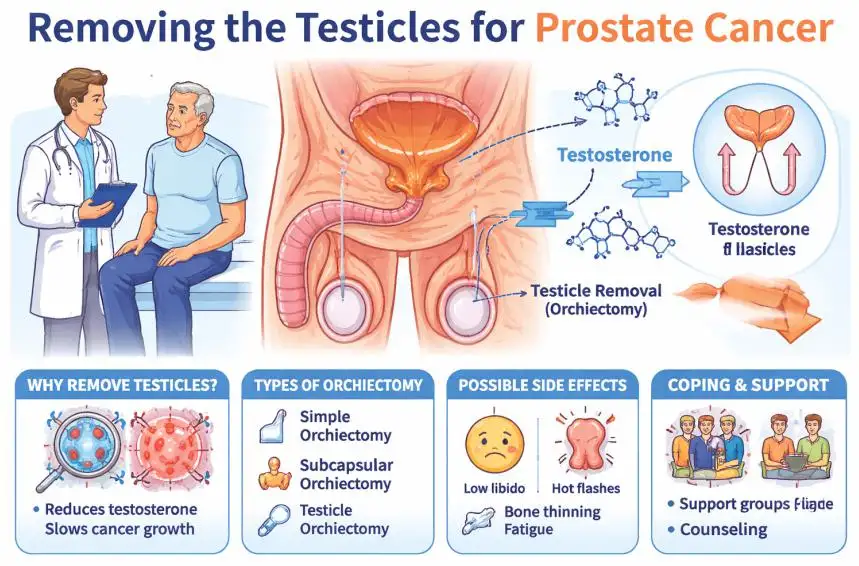
Prostate cancer is one of the most common cancers affecting men worldwide, and advances in treatment have significantly improved outcomes for many patients. Hormone therapy, also known as androgen deprivation therapy (ADT), has long been a cornerstone of treatment because prostate cancer cells typically rely on male hormones, particularly testosterone, to grow. However, in some cases, the disease progresses despite low testosterone levels, leading to a more advanced stage known as castration-resistant prostate cancer.
Understanding the definition of castration-resistant prostate cancer is essential for patients, caregivers, and healthcare providers alike. This stage does not mean that treatment options are exhausted; rather, it represents a shift in how the cancer behaves and how it must be managed. With ongoing research and new therapies emerging, many patients continue to live longer and maintain quality of life even after the disease becomes resistant to standard hormone therapy.
Overview
The definition of castration-resistant prostate cancer (CRPC) refers to prostate cancer that continues to grow or spread despite achieving castrate levels of testosterone through medical or surgical treatment. In simple terms, the cancer adapts and finds ways to survive even when androgen levels are significantly reduced.
CRPC can occur in patients with localized disease or metastatic prostate cancer. Although testosterone levels remain low, cancer cells may develop mechanisms that allow them to use minimal androgens, produce their own hormones, or activate alternative growth pathways. This stage requires specialized treatment strategies beyond conventional hormone therapy.
Types
Castration-resistant prostate cancer is generally classified based on whether the cancer has spread beyond the prostate.
| Type | Description |
|---|---|
| Non-metastatic CRPC (nmCRPC) | Cancer shows rising prostate-specific antigen (PSA) levels despite low testosterone but no visible metastases on imaging. |
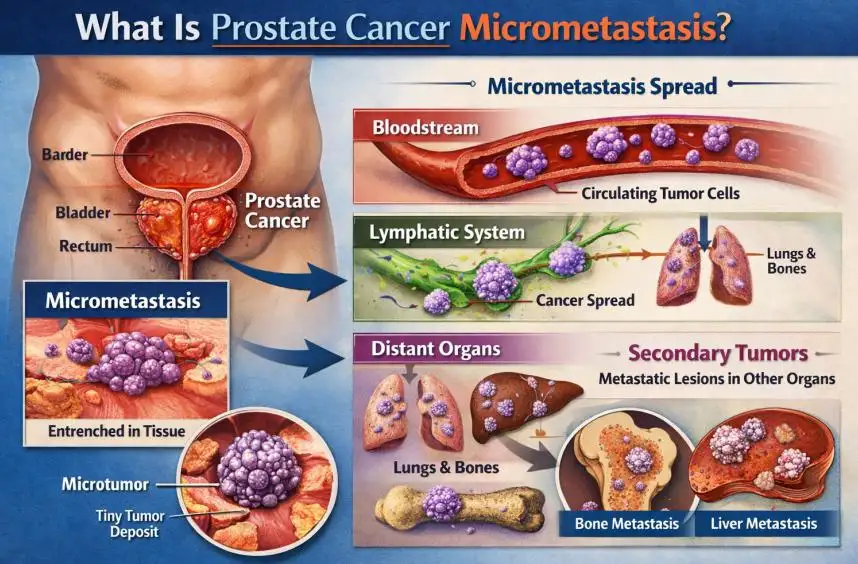
| Metastatic CRPC (mCRPC) | Cancer has spread to bones, lymph nodes, or other organs while continuing to progress despite hormone therapy. |
Understanding the type helps guide treatment decisions and prognosis.
Causes and Risk Factors
The exact causes behind the transition to castration-resistant prostate cancer are complex and involve biological adaptations within cancer cells. Over time, prostate cancer cells may become less dependent on external testosterone.
Common causes and risk factors include:
-
Long-term androgen deprivation therapy
-
Genetic mutations affecting androgen receptors
-
Advanced or aggressive prostate cancer at diagnosis
-
High Gleason score tumors
-
Presence of metastatic disease
-
Resistance mechanisms within tumor cells
Some cancer cells may amplify androgen receptors or activate alternative signaling pathways, allowing continued growth even under hormone suppression.
Symptoms and Early Warning Signs
Symptoms of castration-resistant prostate cancer vary depending on whether the disease has spread. In early stages, patients may not notice new symptoms, and rising PSA levels may be the first indicator.
Possible symptoms include:
-
Increasing PSA levels despite treatment
-
Bone pain, especially in the back or hips
-
Fatigue and weakness
-
Difficulty urinating
-
Unexplained weight loss
-
Swelling in the legs due to lymph node involvement
Early detection of progression allows timely adjustment of treatment strategies.
Diagnosis
Diagnosis focuses on confirming disease progression despite low testosterone levels. Physicians typically combine laboratory tests, imaging, and clinical evaluation.
| Diagnostic Method | Purpose |
|---|---|
| PSA testing | Detects rising PSA levels indicating cancer activity |
| Testosterone measurement | Confirms castrate hormone levels |
| Imaging scans (CT, MRI, bone scan, PSMA PET) | Identifies metastases |
| Biopsy (in selected cases) | Evaluates tumor characteristics and mutations |
Regular monitoring plays a crucial role in identifying castration resistance early.
Treatment Options
Although the definition of castration-resistant prostate cancer implies resistance to standard hormone therapy, several effective treatments are available.
Common treatment options include:
-
Next-generation androgen receptor inhibitors (enzalutamide, apalutamide, darolutamide)
-
Androgen synthesis inhibitors (abiraterone acetate)
-
Chemotherapy (docetaxel, cabazitaxel)
-
Immunotherapy for selected patients
-
Radiopharmaceuticals for bone metastases
-
Targeted therapy for specific genetic mutations (e.g., PARP inhibitors)
Treatment plans are individualized based on disease extent, patient health, and prior therapies.
Prevention and Lifestyle Recommendations
While CRPC itself cannot always be prevented, certain lifestyle choices may support overall health and treatment outcomes.
Recommended strategies include:
-
Maintaining a healthy weight
-
Regular physical activity
-
Balanced diet rich in fruits, vegetables, and lean protein
-
Limiting alcohol consumption
-
Avoiding smoking
-
Managing stress and mental health
-
Following regular medical check-ups and PSA monitoring
Healthy lifestyle habits can improve energy levels and help manage treatment side effects.
Prognosis and Survival Rates
Prognosis varies widely depending on factors such as disease stage, extent of metastasis, response to therapy, and overall health. Advances in treatment have significantly improved survival for men with castration-resistant prostate cancer over the past decade.
Patients with non-metastatic CRPC often have longer survival compared to those with metastatic disease. Early intervention and access to modern therapies play an important role in improving outcomes and maintaining quality of life.
Latest Research and Innovations
Research in advanced prostate cancer is rapidly evolving. Scientists are exploring new therapeutic approaches aimed at overcoming treatment resistance and improving survival.
Key areas of innovation include:
-
PSMA-targeted radioligand therapy
-
Combination treatment strategies
-
Precision medicine based on genetic profiling
-
Novel immunotherapy approaches
-
Advanced imaging techniques for early detection of progression
These developments continue to reshape the management of castration-resistant prostate cancer and offer new hope for patients.
Coping and Support for Patients
A diagnosis of castration-resistant prostate cancer can be emotionally challenging. Patients may experience anxiety, uncertainty, or fatigue related to ongoing treatment.
Support strategies include:
-
Open communication with healthcare providers
-
Joining patient support groups
-
Counseling or psychological support
-
Involving family members in care decisions
-
Managing side effects proactively
Emotional and social support plays a vital role in maintaining overall well-being throughout treatment.
Conclusion
Understanding the definition of castration-resistant prostate cancer helps patients recognize that disease progression does not mean the end of treatment possibilities. Instead, it marks a transition to a different phase requiring specialized therapies and closer monitoring. With continuous advances in medical research, many patients today experience longer survival and improved quality of life. Early detection, individualized treatment, and comprehensive support remain the foundation of effective management.
FAQ
1. What is the definition of castration-resistant prostate cancer?
It refers to prostate cancer that continues to grow or spread despite low testosterone levels achieved through hormone therapy.
2. Is castration-resistant prostate cancer curable?
While it is generally not considered curable, many treatments can control the disease and extend survival.
3. Does castration-resistant mean hormone therapy no longer works at all?
Not exactly. Some newer therapies still target androgen pathways but in more advanced ways.
4. How is CRPC detected early?
Regular PSA testing, imaging studies, and monitoring of symptoms help detect progression early.
5. Can lifestyle changes help patients with CRPC?
Yes. Healthy nutrition, exercise, and stress management can improve overall health and help patients tolerate treatment better.