Does Ejaculation Prevent Prostate Cancer? Facts, Research, and What Men Need to Know

The question does ejaculation prevent prostate cancer has gained widespread attention in recent years, especially as men become more proactive about long-term health and cancer prevention. Prostate cancer is one of the most commonly diagnosed cancers in men worldwide, making it natural for people to look for lifestyle habits that may reduce risk. Among these, sexual activity and ejaculation have become topics of scientific interest due to emerging research suggesting a possible connection.
However, understanding this topic requires separating scientific evidence from myths and oversimplified conclusions. While some studies indicate that frequent ejaculation may be associated with a lower risk of prostate cancer, it is not a guaranteed preventive measure. In this article, you will learn what current research actually says, how prostate cancer develops, its risk factors, symptoms, treatments, and practical steps you can take to support prostate health.
Overview
Prostate cancer develops in the prostate gland, a small organ located below the bladder that plays a role in male reproductive function. The disease often grows slowly, especially in its early stages, and many men may not experience symptoms for years.
Researchers have explored whether ejaculation helps clear potentially harmful substances from the prostate or reduces inflammation, both of which could theoretically lower cancer risk. Studies, including research published by institutions such as Harvard Medical School, have suggested an association between higher ejaculation frequency and a reduced risk of prostate cancer. However, association does not prove causation, and ejaculation alone cannot prevent cancer.
Types of Prostate Cancer
Most prostate cancers are classified based on the type of cells involved. Understanding these types helps explain differences in growth rate and treatment options.
| Type of Prostate Cancer | Description | Prevalence |
|---|---|---|
| Adenocarcinoma | Cancer originating in glandular cells | Most common (over 90%) |
| Small Cell Carcinoma | Rare, aggressive form | Very rare |
| Neuroendocrine Tumors | Develop from hormone-producing cells | Rare |
| Transitional Cell Carcinoma | Starts in urethral lining | Uncommon |
Causes and Risk Factors
There is no single cause of prostate cancer. Instead, several factors increase the likelihood of developing the disease.
| Risk Factor | Explanation |
|---|---|
| Age | Risk increases significantly after age 50 |
| Family history | Genetic predisposition raises risk |
| Hormonal factors | Testosterone influences prostate growth |
| Diet | High-fat diets may contribute |
| Obesity | Linked to more aggressive cancer types |
| Ethnicity | Certain populations have higher incidence rates |
While discussions about whether ejaculation prevents prostate cancer continue, experts agree that risk is influenced by multiple biological and lifestyle factors rather than one behavior alone.
Symptoms and Early Warning Signs
Early prostate cancer often has no symptoms, which is why regular screening is important. As the disease progresses, symptoms may include:
-
Difficulty urinating or weak urine flow
-
Frequent urination, especially at night
-
Blood in urine or semen
-
Erectile dysfunction
-
Pain in the hips, pelvis, or back
These symptoms can also be caused by non-cancerous conditions such as benign prostatic hyperplasia, so medical evaluation is essential.
Diagnosis
Diagnosis usually involves several steps to confirm the presence and stage of cancer.
| Diagnostic Method | Purpose |
|---|---|
| PSA blood test | Measures prostate-specific antigen levels |
| Digital rectal exam (DRE) | Detects abnormalities in prostate shape |
| MRI scan | Identifies suspicious areas |
| Biopsy | Confirms cancer diagnosis |
| Gleason score | Determines aggressiveness of cancer |
Healthcare providers often combine these methods to create a personalized treatment plan.
Treatment Options
Treatment depends on cancer stage, patient age, overall health, and tumor aggressiveness.
| Treatment | Description |
|---|---|
| Active surveillance | Monitoring slow-growing cancer |
| Surgery (Prostatectomy) | Removal of prostate gland |
| Radiation therapy | Targeted cancer cell destruction |
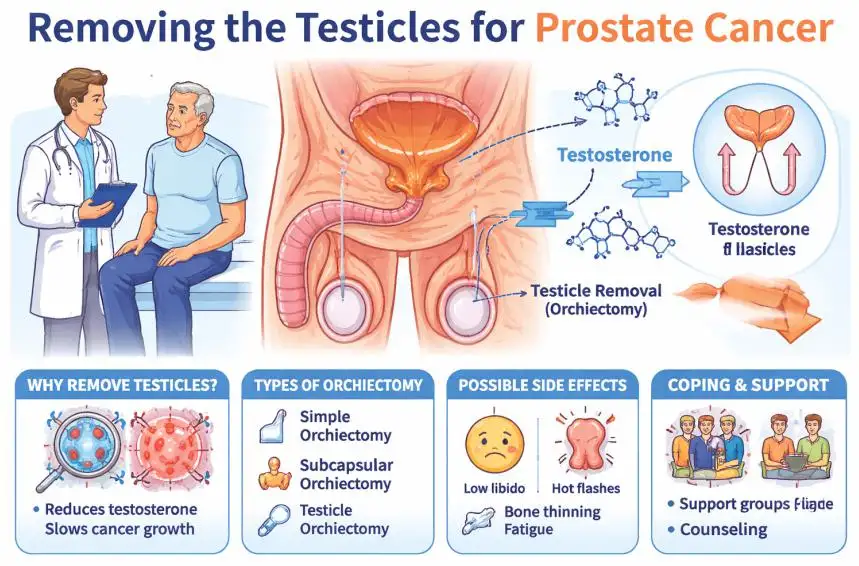
| Hormone therapy | Reduces testosterone levels |
| Chemotherapy | Used for advanced cases |
| Targeted therapy | Focuses on specific cancer pathways |
Many men diagnosed early have excellent treatment outcomes.
Prevention and Lifestyle Recommendations
Although no method guarantees prevention, several habits support prostate health:
-
Maintain a balanced diet rich in vegetables and fruits
-
Exercise regularly and maintain healthy weight
-
Limit processed and high-fat foods
-
Avoid smoking
-
Schedule routine health screenings
-
Maintain overall sexual and reproductive health
Current evidence suggests that regular ejaculation may be associated with lower risk, but it should be viewed as one part of a broader healthy lifestyle rather than a preventive strategy on its own.
Prognosis and Survival Rates
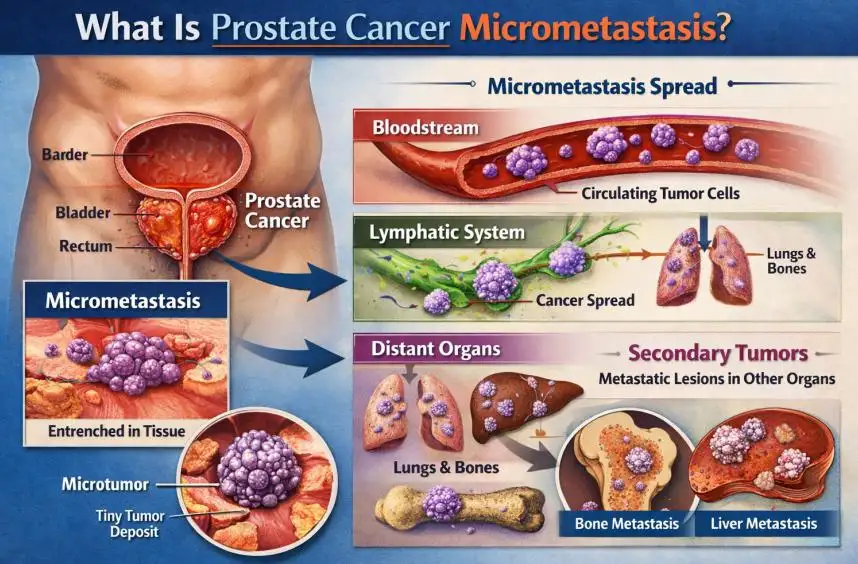
Prostate cancer generally has a favorable prognosis when detected early. According to data frequently cited by organizations such as the American Cancer Society, localized prostate cancer has a very high five-year survival rate, often close to 100%. Survival rates decrease when cancer spreads beyond the prostate, highlighting the importance of early detection.
Latest Research and Innovations
Recent research continues to explore the biological mechanisms behind prostate cancer development. Scientists are studying inflammation, hormonal balance, genetics, and immune responses. Some studies suggest ejaculation may reduce the buildup of carcinogenic substances in prostatic fluid, but more controlled research is needed before drawing firm conclusions.
Innovations in imaging, genomic testing, and targeted therapies are also improving diagnosis accuracy and treatment outcomes, offering more personalized care options for patients.
Coping and Support for Patients
A prostate cancer diagnosis can affect both physical and emotional well-being. Many men experience anxiety, changes in sexual function, or concerns about long-term health. Support groups, counseling, and open communication with healthcare providers can significantly improve coping and recovery.
Partners and family members also play an important role in emotional support, helping patients maintain confidence and quality of life during treatment and recovery.
Conclusion
So, does ejaculation prevent prostate cancer? Current research suggests that frequent ejaculation may be linked to a lower risk, but it is not a proven preventive measure. Prostate cancer risk depends on many factors, including age, genetics, lifestyle, and overall health. The most effective approach remains regular screening, healthy living, and informed medical care. By understanding the facts and staying proactive, you can take meaningful steps toward protecting your prostate health.
FAQ
1. Does frequent ejaculation eliminate prostate cancer risk?
No. It may be associated with reduced risk in some studies, but it does not eliminate the possibility of developing prostate cancer.
2. How often is considered frequent ejaculation in studies?
Some research defines frequent ejaculation as around 21 or more times per month, though this varies between studies.
3. At what age should men start prostate screening?
Many experts recommend discussing screening with a doctor around age 50, or earlier for those with higher risk.
4. Are there proven ways to prevent prostate cancer?
There is no guaranteed prevention, but maintaining a healthy lifestyle, regular exercise, and routine medical checkups help reduce overall risk.
5. Is prostate cancer always life-threatening?
Not necessarily. Many cases grow slowly and can be successfully managed, especially when detected early.