Does Vasectomy Increase the Risk of Prostate Cancer? A Comprehensive, Evidence-Based Guide

Many men who consider permanent birth control eventually ask the same question: Does vasectomy increase the risk of prostate cancer? It’s a valid concern, especially given how common both vasectomy and prostate cancer are worldwide. When making long-term health decisions, understanding the science behind potential risks is essential.
In this in-depth guide, we’ll explore what current research says about vasectomy and prostate cancer risk. We’ll also review prostate cancer types, causes, symptoms, diagnosis, treatment options, prevention strategies, survival rates, and the latest medical innovations. By the end, you’ll have a clear, balanced understanding to help you make informed decisions.
Overview
A vasectomy is a minor surgical procedure designed to provide permanent male contraception. During the procedure, the vas deferens, tubes that carry sperm, are cut or sealed. The testicles continue to produce sperm, but the sperm no longer mix with semen.
Prostate cancer, on the other hand, develops in the prostate gland, a small organ below the bladder that produces seminal fluid. It is one of the most common cancers among men globally.
The central question remains: Does vasectomy increase the risk of prostate cancer? Large-scale studies and systematic reviews over the past decades have largely shown no strong or consistent causal link. Some studies have reported a slight statistical association, but experts generally conclude that vasectomy does not directly cause prostate cancer. Ongoing research continues to refine our understanding.
Types of Prostate Cancer
Understanding prostate cancer types helps clarify how the disease behaves and progresses.
| Type of Prostate Cancer | Description | Frequency |
|---|---|---|
| Adenocarcinoma | Develops from gland cells in the prostate | Most common (over 95%) |
| Small cell carcinoma | Rare, aggressive form | Very rare |
| Transitional cell carcinoma | Starts in cells lining the urethra | Uncommon |
| Neuroendocrine tumors | Arise from neuroendocrine cells | Rare |
Most cases are adenocarcinomas, which typically grow slowly but can become aggressive in certain individuals.
Causes and Risk Factors
When evaluating the question “Does vasectomy increase the risk of prostate cancer?”, it’s important to examine established risk factors first.
Well-Established Risk Factors
-
Age (risk increases significantly after 50)
-
Family history of prostate cancer
-
Genetic mutations (e.g., BRCA1 and BRCA2)
-
African ancestry
-
Obesity and sedentary lifestyle
Vasectomy as a Risk Factor?
Some observational studies have suggested a slight increase in risk, particularly for high-grade prostate cancer. However:
-
Many studies show no meaningful association.
-
Detection bias may explain small statistical differences (men who undergo vasectomy may see doctors more often, leading to more screenings).
-
Major urological associations generally state that vasectomy is not considered a proven cause of prostate cancer.
Current consensus: There is no strong evidence that vasectomy directly increases prostate cancer risk.
Symptoms and Early Warning Signs
Prostate cancer often develops slowly and may not cause symptoms in early stages. When symptoms do appear, they may include:
-
Frequent urination, especially at night
-
Weak or interrupted urine flow
-
Blood in urine or semen
-
Erectile dysfunction
-
Pelvic discomfort
-
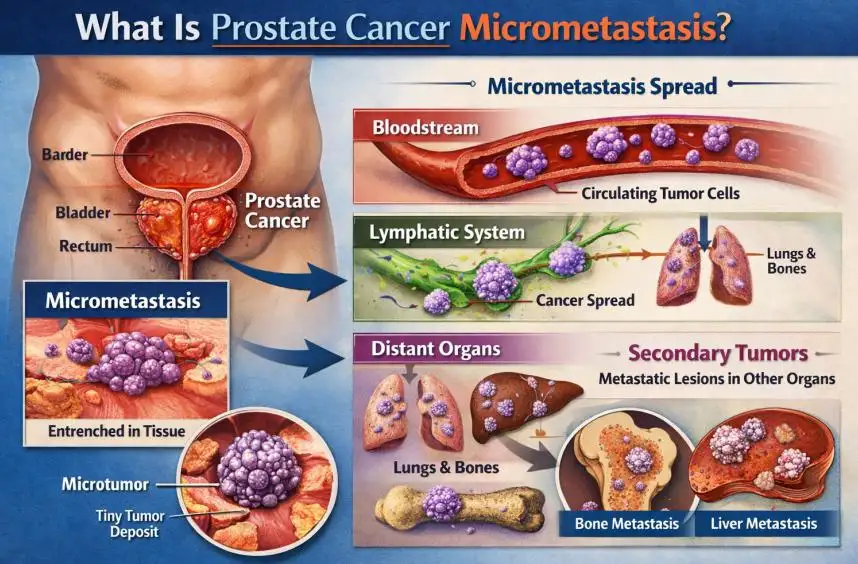
Bone pain (in advanced stages)
Early detection significantly improves outcomes, which is why screening discussions are important—regardless of vasectomy status.
Diagnosis
Prostate cancer diagnosis typically involves:
| Diagnostic Method | Purpose |
|---|---|
| PSA (Prostate-Specific Antigen) test | Measures PSA levels in blood |
| Digital Rectal Exam (DRE) | Checks prostate abnormalities |
| MRI imaging | Visualizes suspicious areas |
| Prostate biopsy | Confirms cancer diagnosis |
| Genetic testing | Assesses inherited risk |
If you're wondering whether a vasectomy affects PSA levels, research indicates that vasectomy does not significantly alter PSA readings, meaning screening remains reliable.
Treatment Options
Treatment depends on cancer stage, grade, age, and overall health.
Common Treatment Approaches
-
Active surveillance (for low-risk cases)
-
Radical prostatectomy (surgical removal)
-
Radiation therapy
-
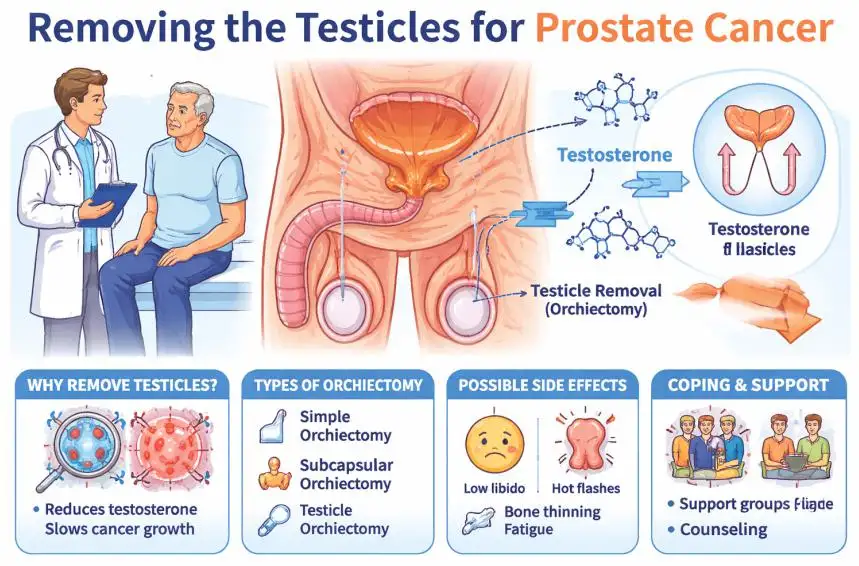
Hormone therapy (androgen deprivation therapy)
-
Chemotherapy
-
Targeted therapy and immunotherapy
Many men diagnosed early can live long, healthy lives following treatment.
Prevention and Lifestyle Recommendations
While there is no guaranteed way to prevent prostate cancer, you can reduce risk through:
-
Maintaining a healthy weight
-
Eating a diet rich in fruits and vegetables
-
Limiting red and processed meat
-
Exercising regularly
-
Avoiding smoking
-
Discussing PSA screening with your doctor
Importantly, current medical guidelines do not recommend avoiding vasectomy solely due to prostate cancer concerns.
Prognosis and Survival Rates
Prognosis depends on the stage at diagnosis.
| Stage | 5-Year Survival Rate |
|---|---|
| Localized (confined to prostate) | Nearly 100% |
| Regional (spread nearby) | Nearly 100% |
| Distant (metastatic) | Approximately 30–35% |
Because many cases are detected early, overall survival rates are high.
Again, current evidence does not show that vasectomy worsens prostate cancer outcomes.
Latest Research and Innovations
Ongoing research continues to evaluate the possible link between vasectomy and prostate cancer. Large cohort studies and meta-analyses have found:
-
Minimal or no clinically significant association
-
No proven biological mechanism explaining causation
-
Potential confounding factors influencing earlier results
Meanwhile, innovation in prostate cancer care includes:
-
PSMA-targeted imaging
-
Precision medicine based on tumor genetics
-
Robotic-assisted surgery
-
Advanced immunotherapies
These advances are improving detection accuracy and treatment success rates.
Coping and Support for Patients
A prostate cancer diagnosis can be emotionally challenging. Support options include:
-
Oncology counseling services
-
Patient advocacy groups
-
Peer support communities
-
Family therapy
-
Lifestyle coaching programs
If you're facing this diagnosis, you’re not alone. Emotional well-being plays a major role in recovery and quality of life.
Conclusion
So, does vasectomy increase the risk of prostate cancer? Based on current scientific evidence, the answer is no clear causal link has been established. While a few studies have reported slight associations, most large-scale analyses conclude that vasectomy does not meaningfully increase prostate cancer risk.
If you’re considering a vasectomy, discuss your overall health, family history, and screening strategy with your healthcare provider. Decisions should be based on accurate medical information, not outdated concerns.
FAQ
1. Does vasectomy increase the risk of prostate cancer?
Current evidence does not support a strong or direct causal relationship between vasectomy and prostate cancer.
2. Should I avoid vasectomy because of prostate cancer risk?
Most medical experts agree that prostate cancer risk should not be a reason to avoid vasectomy.
3. Does vasectomy affect PSA levels?
No, vasectomy does not significantly change PSA test results.
4. What are the main risk factors for prostate cancer?
Age, genetics, family history, race, and lifestyle factors are the primary risks.
5. How often should men be screened?
Screening recommendations vary, but many experts suggest discussing PSA testing with your doctor starting at age 50, or earlier if you have high-risk factors.